Breakfast & Brunch
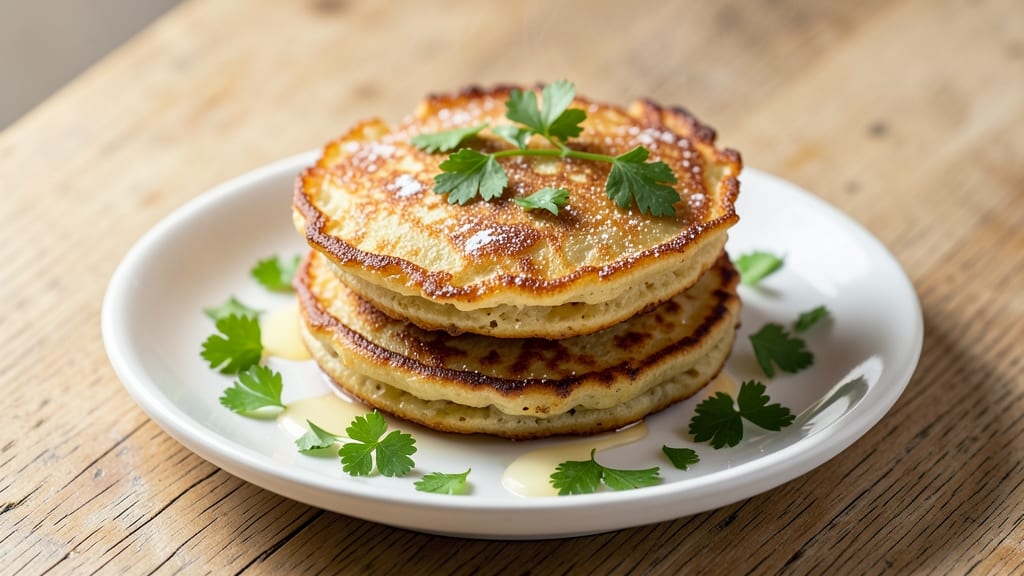
This basic potato pancake recipe delivers the perfect balance of crispy edges and fluffy hearts—a classic comfort food that’s simple to master. The secret lies in proper grating and frying techniques, which I’ve perfected after years of testing.
Unlike many versions that turn out greasy or dense, this method ensures every pancake is golden outside and tender inside.
What makes these pancakes stand out is the use of starchy potatoes (like Russets) and a precise ratio of flour and egg to bind them. You’ll need just 5 simple ingredients and about 20 minutes of active time, making it an ideal weekend breakfast or brunch centerpiece.
The key is maintaining the right oil temperature—too hot, and they’ll burn; too cool, and they’ll absorb too much oil.
By the end, you’ll have a stack of golden, crispy pancakes that stay crispy even after cooling. Serve them with a dollop of sour cream, a drizzle of applesauce, or a sprinkle of fresh chives for brightness.
The contrast of textures—crunchy outside, fluffy inside—makes each bite irresistible. This recipe is foolproof, so even beginners can achieve restaurant-quality results.
For extra flavor, try adding a pinch of salt, pepper, or even a dash of paprika to the batter. These pancakes reheat beautifully in the oven, making them perfect for meal prep. Let’s get started—your taste buds will thank you.
Ingredients for basic potato pancake
Five simple ingredients transform into golden, crispy potato pancakes that stay fluffy inside.
| Ingredient | Amount | Notes |
|---|---|---|
| Russet Potatoes 🥔 | 2 lb | Starchy, peeled and grated |
| All-Purpose Flour 🌾 | ½ cup | For binding grated potatoes |
| Large Eggs 🥚 | 2 whole | Beaten for moisture |
| Salt 🧂 | 1 tsp | Kosher or sea salt |
| Vegetable Oil 🫒 | 2 cups | For frying, high smoke point |
| Fresh Parsley 🌿 | ¼ cup | Chopped, for garnish (optional) |
| Sour Cream 🥛 | ½ cup | For serving, full-fat preferred |
| Applesauce 🍎 | ½ cup | Unsweetened, for serving |
Russets are the gold standard for potato pancakes—their starchy texture absorbs less oil and creates that perfect crisp. Grocery store Russets work fine, but if you can find them, organic potatoes from the store's produce section have better flavor. Skip the pre-grated stuff—grating yourself ensures even cooking. The key is to use a box grater with medium holes; if you don’t have one, a food processor with the shredding blade works. Just don’t pulse too much or they’ll turn into mashed potatoes. For extra crispiness, let the grated potatoes sit in a colander for 10 minutes to drain excess starch.
No sour cream? Plain Greek yogurt works too—just make sure it’s full-fat for that classic tang. Short on parsley? Fresh chives or green onions add a nice brightness without overpowering. The applesauce can be swapped for a dollop of whipped cream or caramelized onions if you’re feeling fancy. Vegetable oil is ideal for frying, but canola or peanut oil work just as well. If you’re worried about oil splatter, use a deep skillet or Dutch oven—it’ll hold more pancakes without crowding. And trust me, the salt matters—don’t skip it, even if your potatoes are fresh.
These pancakes reheat like a dream—just pop them in a 350°F oven for 5-7 minutes until crispy again. Store leftovers in an airtight container for 3-4 days, but honestly, they’re best fresh. For meal prep, freeze them on a tray first (so they don’t stick), then transfer to a bag. 3 months in the freezer, and they’ll still taste like you just made them. Garnish with extra parsley or a sprinkle of smoked paprika right before serving—it makes all the difference.
Why You'll Love This Recipe
- No-Fuss Staple: I keep a bag of Russets in my pantry just for these—grate, squeeze, mix, fry. That’s it. No fancy steps, no waiting for dough to rise, just pure, satisfying potato power in under 20 minutes.
- Crispy-Creamy Magic: The outside gets that golden, shatteringly crisp edge from the hot oil, while the inside stays tender and fluffy—like a hug from your nonna’s kitchen. Honestly, the contrast is what makes it addictive.
- Weeknight Workhorse: Slap these on the table for game day, a lazy Sunday breakfast, or when your teenager’s friends show up unannounced. They’re hearty enough to stand alone or pair with anything—applesauce, sour cream, or even a fried egg.
- Pantry Goldmine: Russets are cheap, eggs are cheap, flour? Cheaper. A single batch feeds four, and leftovers reheat beautifully in the oven. Between us, this is the recipe I turn to when I’ve got $5 in my wallet and a hungry family.
Step-by-step instructions for crispy potato pancakes
Here's how to make golden, crispy potato pancakes with fluffy interiors—no fancy skills required.
Grate and Squeeze Out Excess Moisture
Use a box grater or food processor to shred the 2 lb russet potatoes into fine, uniform shreds. I like to work in batches to keep things manageable. Once grated, transfer the shreds to a clean kitchen towel or cheesecloth and squeeze out as much moisture as possible. This step is crucial—wet pancakes won't brown properly and will turn out soggy instead of crispy.
Spread the shredded potatoes evenly on the towel and twist it tightly to wring out excess water. You can also press them gently in your hands to help release more moisture. The goal is to have a dry, crumbly texture that holds together when you press it. If you skip this, your pancakes will steam instead of crisp up in the oil.
Mix the Pancake Batter
In a large bowl, combine the drained potato shreds with the 0.5 cup all-purpose flour and 1 tsp salt. Stir gently with a wooden spoon until everything is evenly distributed. Add the 2 whole large eggs and mix again, breaking up any large clumps. The batter should look like coarse, wet sand—just moist enough to hold together when pressed.
I like to press a small handful of the mixture in my palm to check consistency. It should hold its shape when squeezed but still feel crumbly. If it feels too wet, add a bit more flour, 1 tablespoon at a time. This ensures your pancakes will stay together when frying and develop that perfect crispy exterior.
Heat the Oil for Frying
Pour the 2 cups vegetable oil into a large skillet or deep fryer and heat over medium heat until it reaches 350°F. Use a deep-fry thermometer to monitor the temperature—this is the sweet spot for crispy pancakes without burning. If you don't have a thermometer, test the oil by dropping in a small piece of potato batter. It's ready when it sizzles and turns golden in about 30 seconds.
Keep the heat steady—too hot and your pancakes will burn on the outside before cooking through. Too cool and they'll absorb too much oil. I like to maintain the oil at 350°F throughout the frying process. If it drops below 340°F, give it a few minutes to reheat before continuing.
Fry the Pancakes Until Golden
Using a slotted spoon, carefully drop heaping tablespoon-sized portions of the batter into the hot oil. Fry 3-4 pancakes at a time, leaving space between them so they can crisp up evenly. Press down gently with the spoon during the first 30 seconds—this helps them hold their shape and prevents curling. Fry for 4-5 minutes total, turning once, until they're deep golden brown on both sides.
You'll know they're done when they're crispy on the outside and still slightly soft in the center. If they brown too quickly, reduce the heat slightly. Once cooked, transfer them to a paper towel-lined plate to drain excess oil. Don't stack them yet—they'll steam and lose crispness. Let them cool for just 1-2 minutes before serving.
Serve with Classic Toppings
Serve the warm pancakes immediately with the 0.5 cup sour cream and 0.25 cup chopped fresh parsley on top. The sour cream adds a cool, tangy contrast to the crispy pancakes, while the parsley gives a fresh finish. For extra flavor, offer the 0.5 cup unsweetened applesauce on the side—it pairs perfectly with the savory pancakes.
If you're feeling fancy, sprinkle a pinch of extra salt or a dash of smoked paprika over the top before serving. The key is to eat them right away while they're still crispy. Leftovers can be reheated in a 350°F oven for 5-10 minutes to restore some of that golden crunch, but nothing beats them fresh from the fryer.
Pro Tips For Making Basic Potato Pancake
- GRATE FRESH, DON’T MASH: I learned this the hard way—pre-grated potatoes (even frozen) turn to mush and soak up too much flour, making pancakes dense and gluey. Use a box grater or food processor right before mixing, and keep the shreds coarse. The texture stays light, and you’ll use less flour—no one wants a pancake that’s basically a latke’s sad cousin.
- SALT THE POTATOES BEFORE RINSING: This isn’t just about flavor—it’s about structure. Toss the grated potatoes with 1 teaspoon salt immediately after grating, let them sit 5 minutes, then squeeze out moisture with a clean towel. The salt draws out starch, which helps the pancakes hold together instead of falling apart when flipping. (Yes, it sounds weird, but trust the process.)
- USE COLD EGGS FOR CRISP EDGES: Room-temperature eggs bind too aggressively, making pancakes gummy inside. Crack them straight from the fridge into the mix, then fold gently—this keeps the batter loose enough for a proper sear. The edges will turn golden and crispy instead of steaming into a sad, soggy mess.
- PRESS HARD, FLIP ONCE: Don’t skimp on pressure when forming the pancakes—press the mixture firmly into the pan with a spatula, then wait until the edges look set and the center bubbles before flipping. I used to rush this, and half my pancakes would either stick or flip into a greasy pancake-shaped pancake. A 3-minute cook per side (medium heat) guarantees a golden crust without burning.
Storing and reheating your basic potato pancake
Refrigerator Storage
Store leftover potato pancakes in an airtight container with a paper towel on top to absorb moisture—this keeps them crispy for up to 3-4 days.
I like using glass Pyrex containers because they let me see the pancakes without losing crispness. Let them cool completely before storing to prevent condensation. 🥔
Freezer Prep
For longer storage, freeze pancakes on a parchment-lined tray for 1 hour to prevent sticking, then transfer to a freezer bag with parchment between layers. This method prevents sogginess and makes reheating easier. They’ll stay crispy for up to 3 months—just pop them in the oven when ready. 🧊
Oven Reheating
Preheat your oven to 350°F and place pancakes on a baking sheet lined with parchment. Reheat for 5-7 minutes until golden and crispy again. For extra crunch, broil for 1-2 minutes at the end. I avoid microwaving because it turns them rubbery. ⏰
Air Fryer Option
If you have an air fryer, reheat pancakes at 375°F for 3-4 minutes, shaking the basket halfway. This method gives them a crispy texture without needing much oil. Just be careful—they heat up faster than in the oven. 💨
Serving Leftovers
Reheated pancakes pair perfectly with extra sour cream or a drizzle of honey mustard to cut through any lost crispness. Garnish with fresh chives or parsley to brighten up the dish. I like to serve them with a side of pickled onions for tangy contrast. 🌿
Nutrition facts
Frequently asked questions
What type of potatoes work best for potato pancakes?
Use Russet potatoes for the crispiest texture—their high starch content creates that perfect golden crust. Avoid waxy varieties like red or Yukon Gold, as they'll turn out dense and soggy.
Can I make potato pancakes without an egg?
Yes! For a vegan version, replace the 2 eggs with 2 tablespoons ground flaxseed mixed with 6 tablespoons water (let sit for 5 minutes to thicken). The batter will be slightly stickier, so you may need to press the pancakes more firmly while frying.
Why did my potato pancakes turn out greasy?
Greasy pancakes usually mean the oil was too cool or the potatoes weren't drained properly. Always maintain oil at 350°F and squeeze excess moisture from the grated potatoes before mixing. If they still absorb too much oil, try adding 1 extra tablespoon of flour to the batter.
How do I keep potato pancakes crispy after cooking?
Transfer cooked pancakes to a wire rack or single layer on paper towels to drain excess oil. Never stack them while hot—they'll steam and lose crispness. For serving, place them directly on a plate lined with fresh paper towels.
Can I make potato pancakes ahead of time?
Yes! Cook them completely, then store in an airtight container with parchment between layers. Reheat in a 350°F oven for 5-7 minutes or air fry at 375°F for 3-4 minutes. They won't be as crispy as fresh ones, but reheating restores most of the crunch.