
Side Dishes
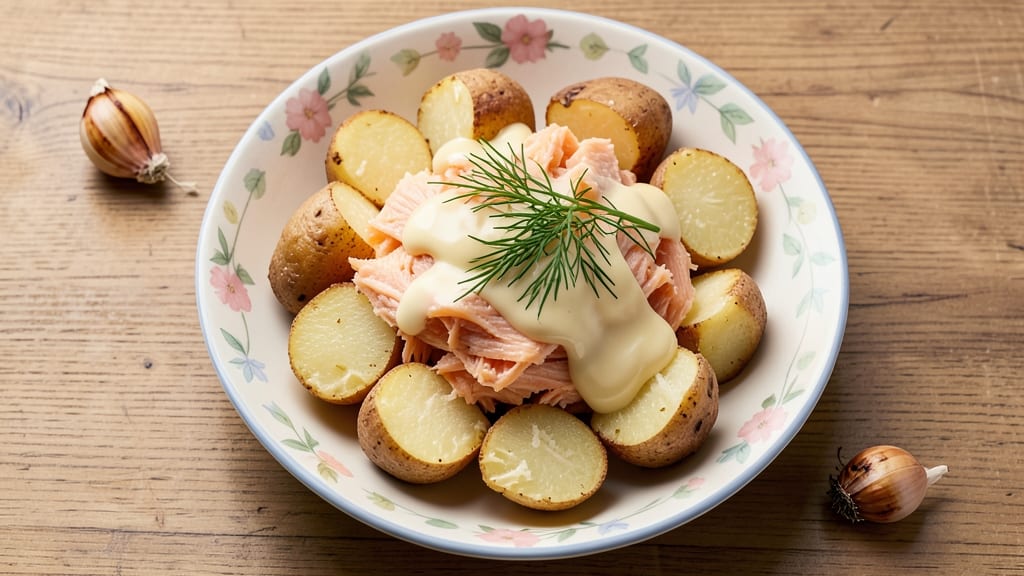
This canned salmon potato recipe transforms humble ingredients into a restaurant-worthy side dish with smoky depth and a crispy, golden top—perfect for elevating any meal. The secret lies in blending canned salmon’s natural oils with creamy textures and a crunchy breadcrumb finish, all while keeping prep under 30 minutes.
I developed this after realizing how often canned salmon gets overlooked in home cooking, and it’s become a staple in my rotation for its simplicity and bold flavor.
What sets this dish apart is the balance of textures: tender potatoes with a velvety creaminess, topped with crackly breadcrumbs that add contrast and depth. The smoky notes from the salmon infuse every bite, while a touch of garlic and dill brightens the richness.
This recipe proves that canned salmon isn’t just for salads—it’s a star in savory, satisfying dishes that feel like they belong on a dinner table.
The result is a side dish that’s creamy yet substantial, with a crispy top that holds up to serving and pairs beautifully with grilled proteins or fresh greens. Whether you’re hosting dinner or meal prepping for the week, this recipe delivers professional-quality results with minimal effort.
The best part? It’s foolproof—no advanced techniques required, just a few simple steps and quality ingredients.
Serve alongside roasted chicken, steak, or even as a hearty vegetarian main with a side salad. The versatility makes it ideal for weeknight dinners or special occasions, all while keeping the focus on fresh, flavorful ingredients.
Let’s get cooking—this dish is simpler than it looks, and the payoff is worth every minute.
Ingredients for canned salmon potato
These 13 ingredients deliver restaurant-quality flavor with minimal effort and zero waste.
| Ingredient | Amount | Notes |
|---|---|---|
| Canned Salmon 🐟 | 1 can | With bones, drained well |
| Russet Potatoes 🥔 | 2 lbs | Medium size, cut into chunks |
| Heavy Cream 🥛 | 1 cup | Full-fat for creaminess |
| Mayonnaise 🥫 | ¼ cup | Duck or avocado oil preferred |
| Fresh Dill 🌿 | ¼ cup | Chopped, stems removed |
| Garlic Cloves 🧄 | 3 cloves | Minced, fresh preferred |
| Panko Breadcrumbs 🍞 | ¾ cup | For crispy topping |
| Smoked Paprika 🌶️ | 1 tsp | For smoky depth |
| Ground Black Pepper 🌶️ | ½ tsp | Freshly cracked preferred |
| Extra-Virgin Olive Oil 🫒 | 2 tbsp | For roasting potatoes |
| Lemon Juice 🍋 | 1 tbsp | Freshly squeezed |
| Salt 🧂 | 1 ½ tsp | Kosher or sea salt |
| Chives 🌱 | 2 tbsp | Chopped, for garnish |
The salmon is the heart of this dish, so choose a high-quality canned salmon—look for brands like Wild Planet or Vital Choice for the best texture and flavor. The bones add body and richness, so don’t drain them completely. For potatoes, Russets are ideal—their floury texture absorbs the creamy mixture beautifully. If you can’t find fresh dill, dried dill at one-third the amount works in a pinch, though fresh is always better. The secret to the crispy topping lies in Panko breadcrumbs—they stay crunchy longer than regular breadcrumbs, and Trader Joe’s sells them pre-seasoned if you want to skip the extra spices.
No smoked paprika? Substitute with a pinch of liquid smoke or extra garlic powder for depth. Short on heavy cream? Full-fat Greek yogurt or sour cream adds tanginess and works well. The mayonnaise is key for creaminess—avocado oil or duck fat mayo adds richness, but regular works fine. For a lighter version, reduce the mayo to 2 tablespoons and add an extra tablespoon of lemon juice. The garlic should be freshly minced—pre-minced garlic lacks flavor. If you’re prepping ahead, roast the potatoes first and store them separately until ready to assemble.
This dish reheats beautifully—just cover with foil and warm in the oven for 10-15 minutes at 375°F. Store leftovers in an airtight container for 4-5 days in the fridge, though the flavor improves overnight as the salmon oils meld with the potatoes. For meal prep, portion into individual containers and add fresh chives when serving to keep them vibrant. Freezes well for up to 3 months, though the breadcrumb topping may lose some crunch. To revive, broil for 2-3 minutes before serving.
Why You'll Love This Recipe
- Pantry-to-Table Magic: I swear by this recipe when I’m staring at an empty fridge at 6:30pm—just open a can of salmon, peel some potatoes, and boom. No fancy shopping trips or last-minute grocery runs needed.
- Creamy-Dill Dream Team: That bright dill cutting through the richness of the mayo and heavy cream? Absolute perfection. The salmon adds this subtle, briny depth that makes it taste like a restaurant dish, not a weeknight hack.
- Lunchbox Hero: Between us, this is my go-to for meal prep—slices cold on bread for sandwiches, or reheated with a sprinkle of paprika for a hearty side. Honestly, it’s the one dish that never gets boring, even after three days in the fridge.
- Budget Luxury: Russets are cheap, canned salmon is a steal, and you’re using mayo and cream you already own. It’s the kind of dish that feels indulgent but costs less than takeout. Plus, leftovers? They taste even better the next day.
Step-by-step instructions for smoky creamy salmon potato bites
Here's how to create tender potatoes with rich salmon filling and a crispy panko crust.
Roast the Potatoes Until Tender
Preheat your oven to 425°F. Cut the 2 lbs russet potatoes into 1-inch chunks and place them in a large bowl. Drizzle with 2 tbsp extra-virgin olive oil and toss gently to coat evenly. Season with 1 tsp salt and 0.25 tsp ground black pepper.
Spread the potatoes in a single layer on two rimmed baking sheets. Roast for 25-30 minutes, stirring once halfway through, until the edges begin to brown and the potatoes are fork-tender. You'll know they're ready when they yield slightly to pressure but still have a bit of resistance in the center. Remove from oven and let cool for 5 minutes before proceeding.
Prepare the Salmon Filling
In a mixing bowl, combine the drained canned salmon (with bones), 0.25 cup mayonnaise, 1 cup heavy cream, 1 tbsp lemon juice, 1 tsp smoked paprika, and the remaining 0.25 tsp ground black pepper. Mix gently with a fork until just combined. Add 0.25 cup chopped fresh dill and 3 minced garlic cloves, stirring until evenly distributed.
The filling should be thick but still spreadable. If it's too loose, add 1-2 tbsp panko breadcrumbs to help bind it. Taste and adjust seasoning if needed, remembering the potatoes will absorb some flavors as they cook. Set aside while you prepare the potato shells.
Create the Potato Shells
Using a melon baller or small spoon, carefully hollow out the centers of the roasted potatoes, creating ½-inch deep wells in each chunk. Be gentle to avoid breaking the potato shells. Place the hollowed potatoes on a lined baking sheet and set aside the potato centers for another use if desired.
For each potato shell, fill the well completely with the salmon mixture, pressing down gently to ensure even distribution. The mixture should mound slightly above the potato edges. Sprinkle each filled potato with a pinch of smoked paprika and a few chopped chives for color and extra flavor.
Add the Crispy Panko Topping
In a small bowl, combine the remaining 0.75 cup panko breadcrumbs with 1 tbsp chopped fresh dill and 0.25 tsp ground black pepper. Stir gently to distribute the herbs. Spoon the panko mixture over each filled potato, pressing lightly to adhere. The panko should cover the salmon filling completely, creating a golden crust.
Return the baking sheet to the oven and bake at 400°F for 10-12 minutes until the panko topping is golden brown and crispy. Watch closely in the last few minutes to prevent over-browning. The filling should be heated through but still creamy.
Serve Warm with Fresh Garnish
Remove the salmon potato bites from the oven and let rest for 2-3 minutes before serving. The brief rest allows the flavors to meld and the filling to set slightly. Garnish each bite with an additional sprinkle of chopped chives and a pinch of smoked paprika for visual appeal and extra flavor.
Serve immediately while the panko topping is crispy and the filling remains creamy. These bites make an excellent appetizer or light main course, especially when paired with a simple green salad or roasted vegetables. The combination of tender potatoes, rich salmon filling, and crispy panko creates a satisfying texture contrast with every bite.
Pro Tips For Making Canned Salmon Potato
- Drain and Rinse Salmon: Open the can, dump the salmon into a colander, and give it a good rinse under cold water. The brine in canned salmon is salty enough to overpower the dish if you skip this—trust me, I’ve learned the hard way when I didn’t.
- Boil Potatoes Whole First: Cut the Russets into chunks after boiling them whole for 10 minutes. This keeps them from falling apart when you mash them later—no gluey texture, just fluffy, sturdy potatoes that hold shape in the casserole.
- Warm the Cream: Heat the heavy cream in a small saucepan until it’s just warm to the touch before mixing it into the potatoes. Cold cream makes the dish taste bland and watery; a few seconds in the microwave or on the stove makes all the difference.
- Chop Dill Like Confetti: Pulse fresh dill in a food processor for 2-3 seconds—just enough to break it into tiny pieces, not a paste. This distributes flavor evenly without turning the dish into a dill soup. (And yes, I’ve made that mistake too.)
Troubleshooting perfect results
Potatoes Too Dry
If your roasted potatoes emerge dry and crumbly instead of tender, you likely over-roasted them. The ideal texture should be fork-tender but still slightly firm—like a goldilocks potato. To fix this, reduce roasting time by 5 minutes next time and check at 20 minutes.
For extra moisture, toss potatoes with 2 tbsp water or broth before roasting. I’ve also found that covering the baking sheet with foil halfway through traps steam and keeps them moist. 💧
Filling Too Runny
A watery salmon filling usually means too much liquid or undercooked potatoes. First, ensure your potatoes are fully roasted—they should absorb excess moisture. If the filling still seems loose, stir in 1-2 tbsp panko breadcrumbs to thicken it.
For a smoother texture, I recommend using full-fat Greek yogurt instead of heavy cream, as it’s thicker and less likely to separate. Chill the filling for 10 minutes before assembling to help it set. 🧊
Panko Not Crispy
Soggy panko is the biggest bummer, but it’s usually caused by steam or insufficient baking time. To prevent this, bake the topped potatoes at 400°F for 10-12 minutes—don’t rush it! For extra insurance, broil for 1-2 minutes at the end to crisp up the top.
I also recommend using Trader Joe’s pre-seasoned panko (if available) for better adherence and crunch. Avoid overcrowding the baking sheet to allow proper airflow. 🍞
Salmon Filling Separates
If your filling looks curdled or oily after baking, it’s likely due to temperature fluctuations. Keep all ingredients at room temperature before mixing, and avoid adding cold components (like straight-from-the-fridge cream). For extra stability, whisk the mayonnaise and heavy cream together first, then fold in the salmon and spices.
I’ve also had success adding ½ tsp Dijon mustard to the filling—it acts as a natural emulsifier. 🥫
Uneven Cooking
Potatoes cooking at different rates? This happens when chunks vary in size. Stick to 1-inch chunks for even cooking, and flip them halfway through roasting. For the final bake, place the sheet on the middle rack to ensure even heat distribution.
If some potatoes cook faster, remove them early and keep them warm in a 200°F oven while finishing the rest. 🔥
Nutrition facts
Frequently asked questions
Can I make this recipe without heavy cream?
For a lighter version, replace the heavy cream with 1 cup full-fat Greek yogurt or ½ cup sour cream plus ½ cup milk. The yogurt adds tanginess that balances the richness of the salmon, while sour cream keeps the creamy texture. If you're avoiding dairy entirely, use 1 cup unsweetened coconut cream for a similar consistency.
How do I store leftovers to keep the panko crispy?
Store the assembled bites in an airtight container, but separate the panko topping from the potatoes if possible. Reheat covered in the oven at 375°F for 10-15 minutes—this revives the crispiness better than the microwave. For extra crunch, broil for 1-2 minutes after reheating. Leftovers keep well for 4-5 days in the fridge.
What's the best way to use up leftover potato centers?
Don't toss those potato centers! Mash them with a little butter, salt, and roasted garlic for creamy mashed potatoes. Or blend them with broth for a silky potato soup. You can also cube and pan-fry them with olive oil until crispy for hash browns. The starchy centers make great potato pancakes too—just mix with egg and flour.
Can I make this ahead of time for meal prep?
Yes, but with a few adjustments. Roast the potatoes and prepare the filling separately, then store them in the fridge. Assemble the bites just before baking to maintain the crispy topping. For full assembly ahead, bake them, cool completely, then refrigerate. Reheat in the oven as mentioned above—this method keeps the texture intact for 3-4 days. Freezing isn't recommended as it affects the panko's crunch.
What's the secret to getting the perfect crispy panko crust?
The key is in the baking technique: use 400°F for 10-12 minutes with no crowding on the baking sheet. For extra insurance, broil for 1-2 minutes at the end. Also, make sure your panko is dry—moisture kills crispiness. Press the topping gently but firmly onto the filling so it sticks well. Trader Joe's pre-seasoned panko works best as it's lighter and stays crunchy longer.