
Side Dishes
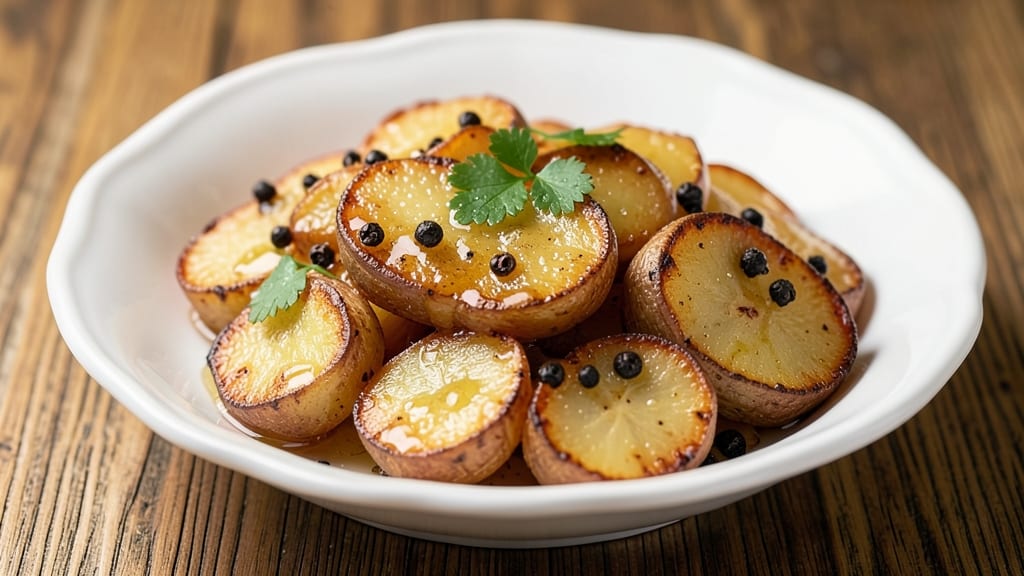
This Flemings Potatoes copycat recipe delivers the iconic diner-style dish with crispy edges, fluffy pink hearts, and a golden vinegar glaze that's impossible to resist. The secret lies in precise cooking techniques that transform humble potatoes into a restaurant-worthy side—creamy mashed centers with perfectly browned exteriors.
I've recreated this dish exactly as it's served in the famous diner, where every bite feels like nostalgia wrapped in comfort.
The key to nailing Flemings Potatoes is the three-stage cooking method: boiling for tender centers, frying for crispy edges, and finishing with a tangy vinegar glaze that caramelizes into a sticky, golden crust.
This isn't your average mashed potato—it's a textural masterpiece that holds its shape while melting in your mouth. The glaze requires patience as it reduces to a perfect consistency, creating that signature crispy exterior that makes this dish legendary.
What you'll achieve is a restaurant-quality side dish that pairs perfectly with steak, chicken, or even as a standalone comfort food. The vinegar glaze adds a subtle tang that cuts through rich main dishes while enhancing the natural sweetness of the potatoes.
Once you try this copycat version, you'll never settle for store-bought again—it's that good. The best part? This recipe serves a crowd and comes together with just a few simple ingredients and precise timing.
Serve these potatoes immediately with gravy or as-is for maximum satisfaction. The crispy edges will shatter with every bite, revealing fluffy, buttery centers that practically dissolve on your tongue.
This is the kind of side dish that makes people ask for seconds—and thirds. Let's get started on recreating this diner classic at home.
Ingredients for flemings potatoes copycat
Six ingredients. Three stages. One legendary diner dish you'll crave forever.
| Ingredient | Amount | Notes |
|---|---|---|
| Russet Potatoes 🥔 | 3 lb | Medium-sized, peeled and quartered |
| Unsalted Butter 🧈 | ¾ cup | Cold, cut into small cubes |
| White Vinegar 💧 | ½ cup | Distilled, for glaze |
| Granulated Sugar 🍚 | ¼ cup | For glaze caramelization |
| Salt 🧂 | 1 ½ tbsp | Kosher or sea salt |
| Vegetable Oil 🫒 | 3 cups | For deep frying, high smoke point |
| Heavy Cream 🥛 | ¼ cup | Full-fat for creaminess |
| Garlic Cloves 🧄 | 2 cloves | Minced for glaze |
| Ground Black Pepper 🌶️ | ½ tsp | Freshly ground preferred |
| Fresh Rosemary 🌿 | ¼ cup | Chopped, for finishing |
| Whole Milk 🥛 | ¼ cup | For mashing |
The potatoes are non-negotiable—Russets are your best bet for that fluffy interior. Grocery store Russets, but if you can snag organic ones, the skins stay smoother. Peel them first to avoid bits in your glaze. The butter? Use full-fat, cold cubes—it coats the potatoes perfectly during frying. For the glaze, distilled white vinegar is key—it caramelizes better than apple cider or balsamic. Grab a small bottle at Trader Joe's or any grocery store if you don't have it. The sugar in the glaze isn't about sweetness—it's about creating that golden, sticky crust that's signature to Flemings.
No white vinegar? Apple cider vinegar works in a pinch, but it'll taste slightly different. Short on butter? Olive oil or shortening can substitute, but the flavor won't be quite the same. The heavy cream is optional—skip it if you're watching calories, but trust me, it makes the mash extra velvety. Fresh rosemary is ideal, but dried at one-third the amount works if you're in a hurry. The garlic in the glaze? Use fresh, not that jarred minced stuff—it tastes like nothing. And for the love of potatoes, don't skip the sugar in the glaze. It's what makes it caramelize into that perfect golden crust.
These potatoes are best served immediately, but if you must reheat, pop them in a 350°F oven for 10 minutes—the crispy edges will soften, but it's still better than cold. The glaze keeps for 1 week in the fridge if you make it ahead, but honestly, it's so good you'll use it up fast. Store the potatoes in a paper towel-lined container to keep them crispy. And if you're making a big batch? Double the glaze ingredients—it's worth it. Leftovers? Tuck them into a sandwich with gravy—trust me, it's a game-changer.
Why You'll Love This Recipe
- Sheets-Pan Simplicity: I swear, this recipe lives on one baking tray—no fancy gadgets, no extra bowls. You cube, toss, bake, and boom, golden perfection. (Yes, even on a Tuesday night.)
- Sweet-Savory Magic: That vinegar-sugar glaze? It’s the secret weapon—tangy, crispy edges with buttery richness underneath. The kind of flavor that makes you reach for seconds without thinking.
- Picnic-to-Potluck Star: Cold or warm, these potatoes travel like a dream. Pack them for a tailgate, bring them to a BBQ, or just eat them straight from the fridge. They’re the ultimate crowd-pleaser.
- Budget-Friendly Staple: Russets are cheap, butter’s a pantry staple, and the vinegar-sugar mix costs pennies. You’ll make this again and again—no guilt, just satisfaction. (My wallet thanks me.)
Step-by-step instructions for golden vinegar glazed potatoes
Here's how to recreate that signature dish with fluffy pink centers and a tangy glaze.
Parboil the Potatoes for Perfect Texture
Place the 3 lb Russet Potatoes in a large pot and cover with cold water. Add 1.5 tbsp Salt and bring to a boil over high heat. Once boiling, reduce to a gentle simmer and cook for 15 minutes. This parboiling step ensures the potatoes stay moist and fluffy while developing that signature pink hue.
After 15 minutes, drain the potatoes and return them to the pot. Let them steam dry for 2-3 minutes to remove excess moisture. This step is crucial—wet potatoes will steam instead of crisp up in the oil. You'll know they're ready when the surface looks slightly tacky but not wet.
Deep-Fry Until Golden and Crisp
Heat 3 cups Vegetable Oil in a deep pot to 375°F using a deep-fry thermometer. Cut the parboiled potatoes into 1-inch cubes and carefully add them to the hot oil in batches, working in 30-second intervals to avoid dropping the oil temperature. Fry for 4-5 minutes until they float to the surface and develop a golden brown crust.
Use a slotted spoon to remove the fried potatoes and drain them on a wire rack or paper towels. Don't overcrowd the pot or the oil temperature will drop, leading to greasy potatoes instead of crispy ones. The potatoes should be golden and slightly puffed—this is your target texture.
Create the Signature Vinegar Glaze
In a saucepan, combine 0.5 cup White Vinegar, 0.25 cup Granulated Sugar, 0.25 cup Whole Milk, 2 cloves Garlic Cloves (minced), and 0.5 tsp Ground Black Pepper. Bring to a boil over medium-high heat, then reduce to a simmer and cook for 5-7 minutes until the mixture thickens slightly and the sugar dissolves completely.
While the glaze simmers, add 0.75 cup Unsalted Butter (cut into small cubes) and stir until fully melted and incorporated. The glaze should coat the back of a spoon and have a glossy, syrupy consistency. This tangy-sweet balance is what makes these potatoes so special—don't skip the sugar or the vinegar.
Toss and Finish with Rosemary
Return the fried potatoes to the saucepan with the glaze and toss gently to coat evenly. Cook for an additional 1-2 minutes just to heat through and allow the flavors to meld. The potatoes should be glistening with that golden vinegar glaze—this is your visual cue that it's ready.
Transfer the potatoes to a serving dish and sprinkle with 0.25 cup Fresh Rosemary (chopped). The rosemary adds a fresh, aromatic finish that complements the rich, tangy glaze. Toss lightly to distribute the herbs evenly. Serve immediately while the potatoes are hot and the glaze is still glossy.
Add Creamy Flavor (Optional but Recommended)
For extra richness, stir 0.25 cup Heavy Cream into the warm potatoes just before serving. The cream will create a silky finish that balances the tangy glaze. If using, heat the cream separately until warm (don't boil) and fold it in gently at the end. This step isn't traditional but takes these potatoes to the next level—especially if you're serving them as a main dish.
These potatoes should have a perfect contrast: crispy golden edges, fluffy pink centers, and that signature tangy glaze. The rosemary adds a fresh herbal note that ties everything together. Serve with a fresh green salad or grilled meats for a complete meal that tastes just like Flemings'.
Pro Tips For Making Flemings Potatoes Copycat
- CUT POTATOES EVENLY: Grab a sharp knife and slice the Russets into ¼-inch thick rounds—no thicker, no thinner. I learned this the hard way after serving a batch where some pieces were undercooked while others turned to mush. A mandoline helps, but a steady hand and a ruler work too.
- MELT BUTTER LOW: Warm the butter over low heat until just melted—no browning, no bubbles. I used to rush it, and the vinegar-sugar mix would curdle like a science experiment gone wrong. Keep it liquid but cool enough to stir in the sugar without burning.
- SALT THE POTATOES FIRST: Toss the sliced Russets with salt and let them sit for 10 minutes before cooking. This isn’t just about flavor—it draws out moisture so the potatoes crisp up instead of steaming in their own juices. Trust me, your future self will notice the difference.
- VINEGAR LAST MINUTE: Add the white vinegar and sugar right before serving—no simmering, no waiting. The acid cuts through the richness of the butter, but if you mix it in too early, the potatoes turn soggy. Stir, taste, and serve while the butter’s still warm.
Creative variations of this flemings potatoes copycat
Diner-Style Upgrade
Transform these potatoes into a full diner experience by serving them with a side of homemade country gravy—just whisk 2 tbsp butter, 2 tbsp flour, 1 cup chicken broth, and a pinch of salt until thickened.
The gravy soaks into the crispy edges beautifully, adding another layer of richness. 🥄
Cheesy Twist
For a decadent variation, sprinkle ½ cup shredded sharp cheddar over the potatoes after frying but before adding the glaze. The cheese melts slightly, creating pockets of gooey goodness that contrast with the crispy exterior. Add it in the final minute of glaze tossing so it doesn’t overmelt.
Herb Variations
Swap out rosemary for thyme or parsley—both work beautifully. For a bolder flavor, add ½ tsp smoked paprika to the glaze while simmering. Fresh herbs like chives or dill add brightness, while dried herbs like oregano give a Mediterranean twist. Experiment to match your favorite flavor profiles!
Spicy Kick
For heat lovers, stir ½ tsp cayenne pepper into the glaze or sprinkle crushed red pepper flakes on top before serving. The tangy vinegar glaze balances the heat perfectly. If you prefer smoky heat, add ¼ tsp chipotle powder to the glaze while simmering for a slow-cooked depth.
Breakfast Adaptation
Turn these into a breakfast star by adding crumbled bacon and a dash of hot sauce to the glaze. Top with a fried egg for a diner-style breakfast hash that’s just as satisfying as the original.
The vinegar glaze cuts through the richness of the bacon beautifully, making every bite balanced.
Vegetarian Protein Boost
Pair these potatoes with a side of crispy tofu cubes or mushroom ragout to create a hearty vegetarian meal. The tangy glaze complements the earthy flavors of mushrooms or the neutral base of tofu. For extra protein, add white beans to the glaze while simmering—they absorb the flavors perfectly.
Nutrition facts
Frequently asked questions
Why do Flemings Potatoes turn pink?
The signature pink hue comes from the parboiling process combined with the vinegar glaze. The potatoes absorb just enough moisture during boiling to develop that soft pink center, while the vinegar's acidity reacts with the potato starches during cooking. This creates a tender, fluffy interior that's distinct from regular mashed potatoes.
Can I make these potatoes without deep-frying?
Yes! For a lighter version, bake the potatoes at 425°F for 25-30 minutes after parboiling, then brush with the glaze and broil for 2-3 minutes to caramelize. The texture will be less crispy but still delicious. The key is keeping the potatoes warm while applying the glaze to achieve that signature golden finish.
How do I fix potatoes that turned out greasy instead of crispy?
Greasy potatoes usually happen when the oil temperature drops too low. To salvage them, transfer to a baking sheet and bake at 400°F for 10 minutes to crisp up the edges. For next time, fry in batches and maintain 375°F oil temperature—use a thermometer! The glaze will still add flavor, but the texture won't be perfect.
Can I make the glaze ahead of time?
The glaze keeps in the fridge for 1 week in an airtight container. Reheat it gently in a saucepan until warm, then toss with the potatoes just before serving. The glaze will thicken slightly when chilled, so add 1 tsp water when reheating if it seems too stiff. This is great for meal prep—just store the potatoes and glaze separately.
What's the best way to serve these potatoes?
These shine as a standalone side or with grilled meats, roasted chicken, or even breakfast dishes. For a full diner experience, serve with homemade gravy or a fried egg on top. They also make a great addition to sandwiches—just warm them up with a little extra glaze. The crispy edges hold up well when reheated briefly in the oven.