Side Dishes
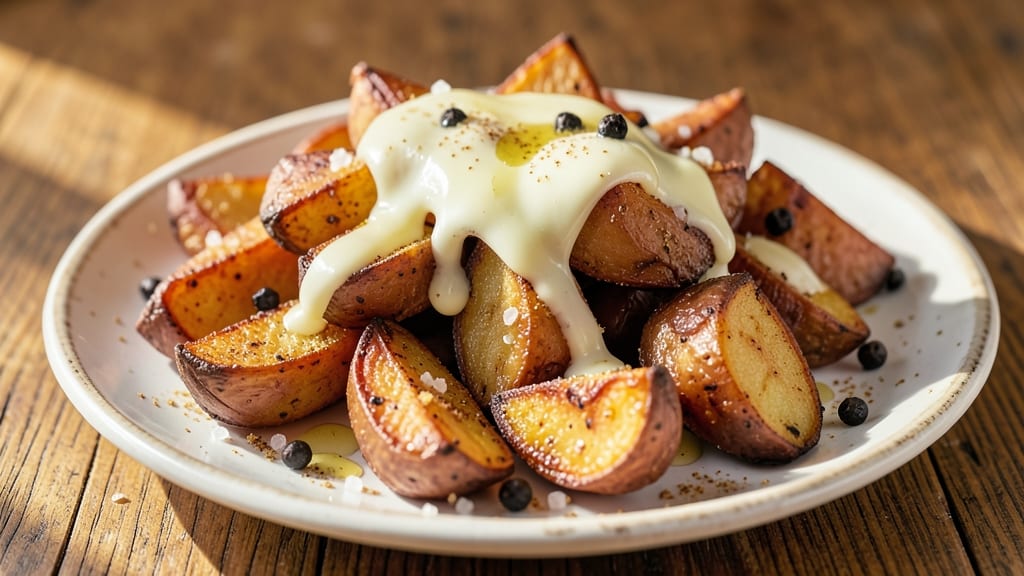
Grandma's potatoes recipe brings back the comforting aroma of home-cooked meals that made family gatherings special. The secret lies in vinegar-braised wedges with a golden, buttery crust that transforms simple potatoes into something extraordinary.
I learned this technique from my grandmother, who always insisted on slow-cooking them just until tender—never mushy, never burnt, but perfectly crisp at the edges.
What sets these apart is the balance of tangy vinegar and rich butter, creating a sauce that clings to each wedge while keeping them tender inside. The process is straightforward but requires patience—potatoes cook low and slow in the oven until they achieve that ideal texture.
This isn’t just a side dish; it’s a centerpiece that elevates any meal, from holiday dinners to weeknight suppers.
The result is a platter of potatoes with caramelized edges, infused with savory depth, and topped with a glossy, buttery glaze. Each bite delivers that nostalgic flavor that reminds you of home, while the crispy exterior gives way to fluffy, flavorful flesh.
These aren’t your average potatoes—they’re a taste of tradition, made easier to recreate in your own kitchen.
Whether you’re serving a holiday feast or simply craving comfort food, these potatoes deliver restaurant-quality results with a homemade touch. The key is in the slow cooking and the perfect balance of vinegar and butter—just like Grandma always made. Let’s get started on bringing that warmth to your table.
Ingredients for grandma's potatoes
Nine simple ingredients transform humble potatoes into nostalgic, golden-crusted wedges with buttery tang.
| Ingredient | Amount | Notes |
|---|---|---|
| Russet Potatoes 🥔 | 2 ½ lb | Cut into 1-inch wedges, skin on |
| Unsalted Butter 🧈 | ½ cup | Full-fat for richness, melted |
| White Vinegar 💧 | ¼ cup | Distilled preferred for tang |
| Granulated Garlic Powder 🧄 | 1 tbsp | Freshly ground preferred |
| Kosher Salt 🧂 | 1 ½ tsp | Adjust to taste, don't skip |
| Ground Black Pepper 🌶️ | ½ tsp | Freshly cracked for best flavor |
| Fresh Rosemary 🌿 | 1 tbsp | Chopped, for aroma (optional) |
| Extra-Virgin Olive Oil 🫒 | 1 tbsp | For tossing wedges, high quality |
| Fresh Thyme Leaves 🌿 | 1 tsp | Dried works if needed |
Grandma always swore by Russet potatoes—their fluffy texture holds up perfectly to slow roasting. Look for firm, unblemished tubers at Whole Foods or your local market; the skin-on wedges add rustic charm. For the butter, Land O'Lakes or Plugrá melt beautifully—never use margarine. The vinegar is non-negotiable; distilled white vinegar has the cleanest tang, but apple cider works too if you prefer fruitiness. Fresh rosemary and thyme elevate these beyond basic potatoes—grab them from the grocery store's produce section (the good stuff is usually near the front).
No fresh rosemary? Dried at one-third the amount gets you close, but the aroma's different. Short on butter? Olive oil plus an extra splash of vinegar keeps things balanced. The garlic powder can be swapped for 1 minced fresh clove if you're feeling fancy. For extra crispiness, toss the wedges in cornstarch or flour before roasting. And if you're making these for a crowd, double the batch—they disappear fast at gatherings (trust me on this).
Potatoes stay crispy for 2-3 days if reheated in a 350°F oven for 10 minutes. For best results, store in an airtight container with parchment between layers. The sauce thickens as it cools, so add a splash of warm water if it feels too dry before serving. These reheat beautifully—perfect for meal prep. I always make extra for leftovers; they're even better the next day once all the flavors meld together.
Why You'll Love This Recipe
- One-Pot Magic: I swear by this recipe—just peel, chop, and toss. No fancy gadgets, no measuring cups (eyeball it), and the vinegar trick? That’s the secret to the flaky layers without the fuss.
- Garlic Butter Bliss: The moment those potatoes hit the pan with butter and garlic powder? My mouth waters. The vinegar cuts through the richness just enough to make every bite bright and addictive—like a hug in food form.
- Weeknight Workhorse: Make a double batch on Sunday, and you’ve got lunch covered. Cold or warm, they’re perfect with grilled chicken, sandwiches, or just straight from the fridge when you’re too tired to cook. (Yes, even on a Tuesday night.)
- Pantry Staple Power: Russets are cheap, butter lasts forever, and you already have vinegar and salt. This recipe’s my go-to when I’m broke or lazy—because honestly, who needs an excuse to eat this?
Step-by-step instructions for Grandma's potatoes recipe
Here's how to make these tender, buttery wedges with a crispy golden crust—just like Grandma used to.
Prep the Potatoes for Perfect Texture
Start by preheating your oven to 425°F. While it heats, cut the 2.5 lb russet potatoes into 1-inch wedges, keeping the skin on for extra flavor and texture. Arrange them on a large baking sheet in a single layer, making sure none overlap—this ensures even cooking and crispy edges.
Drizzle the wedges with 1 tablespoon extra-virgin olive oil and toss gently to coat. Sprinkle evenly with 1.5 teaspoons kosher salt, 0.5 teaspoon ground black pepper, 1 tablespoon chopped fresh rosemary, and 1 teaspoon fresh thyme leaves. Toss again until every wedge is well-seasoned and fragrant. Let them sit at room temperature for 15 minutes before baking—this helps them crisp up beautifully.
Roast Until Golden and Tender
Place the seasoned wedges on the middle rack of your oven and roast for 25 minutes. After 20 minutes, flip each wedge using tongs to ensure even browning. You'll know they're ready when the edges turn deep golden brown and the potatoes feel tender when pierced with a fork.
Here's the thing—don't walk away during this step. The potatoes go from perfect to overdone fast. If you see any wedges browning too quickly, rotate the tray to balance the heat. The goal is crispy skin with fluffy insides, not burnt edges.
Add Butter and Vinegar for Rich Flavor
Once the potatoes are golden and tender, remove them from the oven and transfer to a large bowl. In a small saucepan over low heat, melt the 0.5 cup unsalted butter until fully liquid but not browned. Stir in 1 tablespoon granulated garlic powder and let it sizzle for 30 seconds to infuse the flavors.
Pour the melted butter mixture over the hot potatoes, then add the 0.25 cup white vinegar. Toss everything together gently but thoroughly—you want the butter to coat every wedge while keeping the crispy edges intact. The vinegar brightens the flavors and balances the richness of the butter.
Broil for Extra Crispiness (Optional but Worth It!)
Return the potatoes to the oven and switch to the broil setting. Watch them closely for 3-5 minutes until the tops develop a deep golden-brown crust and the butter bubbles and turns nutty-smelling. This step adds that restaurant-quality crispiness Grandma's recipe is famous for.
If you don't have a broiler, you can skip this step—the potatoes will still be delicious, but the crust will be slightly softer. Just toss them one last time with any accumulated juices before serving. The key is to work quickly so the butter doesn't separate.
Serve Immediately While Warm
Transfer the wedges to a serving platter and let them rest for just 2 minutes—this gives the butter time to set slightly but keeps them warm. Serve them straight from the oven while the butter is still slightly melted, so every bite is rich and flavorful.
These potatoes pair perfectly with roasted meats, grilled fish, or even as a standalone side. The buttery, tangy flavor and crispy edges make them irresistible. Leftovers? Toss them in a bit more butter and reheat in the oven at 375°F for 10-15 minutes to restore the crispiness.
Pro Tips For Making Grandma'S Potatoes
- SOAK THE POTATOES: Cut them into even chunks, then drop them in cold water for 15 minutes before cooking—this washes off excess starch so your potatoes turn golden instead of gummy. I learned this the hard way after making a batch that looked like glue.
- USE A SPLASH OF VINEGAR: Add 1 tablespoon of white vinegar to the water when boiling—it keeps the potatoes from turning mushy and brightens their color. Sounds weird, but it works every time, especially with Russets.
- DON’T OVERSTIR THE WATER: Let the potatoes cook undisturbed for the first 10 minutes, then stir gently. I used to jiggle the pot constantly, and the skins would fall apart—now I resist the urge and get fluffy, intact potatoes.
- SALT THE WATER LATE: Wait until the potatoes are nearly done to add salt—this guarantees even seasoning without making the water boil too hard. My grandmother swore by this, and she was right: the flavor is way more balanced.
Dietary considerations for this grandma's potatoes
Gluten-Free Adaptations
This recipe is naturally gluten-free, but I always double-check the ingredients to ensure no cross-contamination. The white vinegar and unsalted butter are safe choices, but verify your garlic powder and rosemary labels—some brands process them in shared facilities.
For extra crispiness, toss the wedges in cornstarch (not flour) before roasting—it creates a golden crust without gluten. 🥔
Dairy-Free Swaps
To make these potatoes dairy-free, replace the 0.5 cup butter with 0.5 cup olive oil or vegan butter (like Miyoko's). The vinegar keeps the tangy balance, but you may need an extra ½ teaspoon salt to compensate for the lack of salted butter.
For richness, stir in 1 tablespoon nutritional yeast with the vinegar—it adds a cheesy depth without dairy.
Low-Carb Options
For a lower-carb version, use Yukon Gold potatoes instead of russets—they’re slightly sweeter and have fewer carbs. Cut them into ½-inch wedges to reduce bulk, and roast at 450°F for 20 minutes (they cook faster).
The buttery vinegar glaze remains the same, but the texture will be slightly firmer. Pair with a cauliflower mash for a full low-carb meal.
Vegan-Friendly Adjustments
This recipe becomes fully vegan with a few tweaks: swap butter for olive oil or vegan butter**, and use nutritional yeast to mimic the umami richness. The white vinegar and herbs stay the same, but add ½ teaspoon smoked paprika for depth.
Roast at 425°F as directed—just watch for browning, as vegan butter burns faster. The result is crispy, tangy, and completely plant-based. 🌱
Allergen-Friendly Notes
If nut allergies are a concern, skip the nutritional yeast swap and rely on extra garlic powder and herbs for flavor. For soy-free diets, avoid vegan butters with soy lecithin—opt for brands like Earth Balance Soy-Free.
Always check labels, as even vinegar can sometimes contain traces of soy or gluten. When in doubt, stick to the original recipe with its simple, allergen-friendly ingredients.
Keto Considerations
For a keto-friendly version, reduce the potatoes to 1 lb total (about 4 wedges per person) and roast them at 400°F for 30 minutes to concentrate the flavor. The butter and vinegar glaze remains the same, but serve with a side of sugar-free gravy (use xanthan gum to thicken).
The crispy edges and rich sauce make this a satisfying low-carb side, even if the portion size is smaller. 💪
Nutrition facts
Frequently asked questions
Can I use any type of potato for this recipe?
Russet potatoes are ideal for this recipe because they hold their shape and create crispy edges while staying fluffy inside. However, you can use Yukon Golds for a slightly creamier texture, just reduce the roasting time by 5 minutes. Avoid waxy potatoes like red or fingerlings—they won't crisp up as nicely.
Why does the recipe call for vinegar? What if I don't like tangy flavors?
The vinegar brightens the flavors and balances the richness of the butter, creating that signature Grandma-style taste. If you prefer milder flavors, reduce the vinegar to 2 tablespoons or swap it for 1 tablespoon lemon juice—though the tang will be slightly different. Never skip it entirely, as it's key to preventing the butter from tasting too heavy.
How do I keep the potatoes from sticking to the baking sheet?
Line your baking sheet with parchment paper or use a silicone baking mat—this prevents sticking and makes cleanup effortless. If you don't have either, lightly grease the sheet with olive oil and arrange the wedges with space between them. Avoid overcrowding, as this traps steam and makes them soggy.
Can I make this recipe ahead of time?
These potatoes reheat beautifully! Cook them as directed, then store in an airtight container for up to 3 days. To restore crispiness, reheat at 375°F for 10-15 minutes, tossing halfway. For best results, add a splash of warm water or melted butter before reheating to revive the glaze.
What's the secret to getting that perfect golden crust?
The golden crust comes from three things: high heat (425°F), flipping halfway, and the broiling step. Don't skip the broil—it adds that restaurant-quality finish. If your oven runs hot, reduce the temperature to 400°F and watch closely to avoid burning. The butter should bubble and turn nutty-smelling during broiling.