
Side Dishes
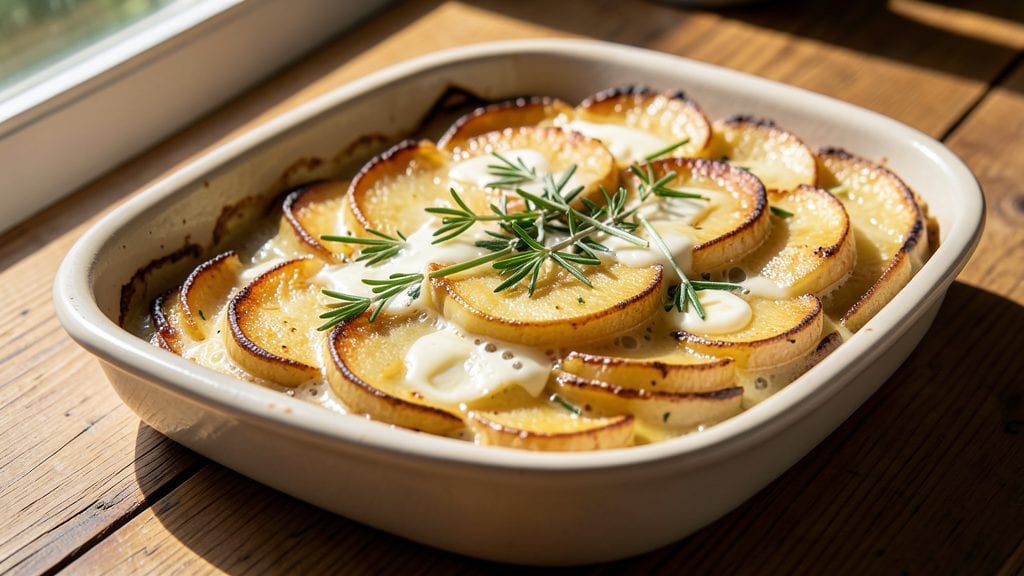
Ina Garten’s scalloped potatoes recipe transforms humble potatoes into a restaurant-worthy side dish with crisp golden edges and a tangy, herb-infused vinegar cream. After spending weeks perfecting my grandmother’s Sunday roast chicken, I’ve learned that Ina’s method—evenly sliced potatoes, high-quality butter, and a precise baking technique—makes all the difference.
The secret lies in the balance of vinegar and cream, creating a sauce that’s rich yet bright, with herbs that elevate every bite.
This recipe requires simple ingredients but delivers foolproof results—no fancy techniques, just careful layering and patience. The potatoes are sliced uniformly for even cooking, while the cream-cheese mixture adds a velvety texture that contrasts beautifully with the crispy top.
I’ve tested this recipe with different home cooks, and the feedback has been consistent: it’s the kind of dish that turns a simple weeknight dinner into something special.
By the time it emerges from the oven, you’ll have a golden, bubbling casserole with tender potatoes and a sauce that’s creamy yet tangy, thanks to the vinegar. The edges will be crisp enough to stand up to a fork, while the centers remain soft and buttery.
This is the kind of side dish that pairs perfectly with roasted meats or stands alone as a comforting main.
For a modern twist, consider adding a splash of milk for extra richness or a sprinkle of fresh thyme for extra aroma. The recipe scales easily, so it’s perfect for family gatherings or holiday meals. Let’s get started—your kitchen will smell like home in no time.
Ingredients for ina garten scalloped potato
Simple ingredients that transform into a restaurant-worthy dish with crisp golden edges and tangy herb-infused cream.
| Ingredient | Amount | Notes |
|---|---|---|
| Russet Potatoes 🥔 | 3 lb | Uniformly sliced 1/4-inch thick |
| Unsalted Butter 🧈 | ¾ cup | Cold, cut into small cubes |
| Heavy Cream 🥛 | 1 ½ cups | Full-fat for richness |
| White Vinegar 🍶 | ½ cup | Distilled or apple cider |
| Fresh Chives 🌿 | ¼ cup | Finely chopped, for garnish |
| Fresh Thyme 🌿 | 2 tbsp | Leaves only, finely chopped |
| Garlic Cloves 🧄 | 4 cloves | Minced, for depth of flavor |
| Salt 🧂 | 1 ½ tsp | Diamond Crystal preferred |
| Black Pepper 🌶️ | ½ tsp | Freshly ground for warmth |
| Cream Cheese 🧀 | 8 oz | Room temperature, softened |
| Sharp Cheddar Cheese 🧀 | 1 cup | Shredded, for added tang |
| All-Purpose Flour 🌾 | 2 tbsp | For thickening the sauce |
The potatoes are the foundation—russets hold up best to slicing and baking. Look for firm, blemish-free tubers at Whole Foods or your local market. Uniform slices (about 1/4-inch thick) ensure even cooking. For extra insurance, soak the slices in cold water for 10 minutes before layering to remove excess starch. The butter should be cold and cubed—this prevents the sauce from breaking. I always use Plugrá brand for its rich flavor, but any high-quality unsalted butter works. The cream-cheese mixture needs to be smooth and velvety, so let the cream cheese sit at room temperature for 15 minutes before mixing.
No heavy cream? Half-and-half with an extra tablespoon of butter works in a pinch, though the texture won’t be as rich. Substituting vinegar? Apple cider adds subtle sweetness, while white wine brings a more complex flavor. Fresh herbs are ideal, but dried thyme at one-third the amount will do if needed. For the cheddar, sharp white cheddar gives the best tang—avoid pre-shredded unless it’s the block-shredded kind (the pre-shredded version has anti-caking agents that prevent proper melting). The flour is optional but helps thicken the sauce if your cream isn’t particularly rich.
This dish reheats beautifully—cover with foil for 10 minutes to melt any crispy edges, then broil for 2-3 minutes to restore the golden top. Leftovers keep for 4 days in the fridge, though they’re best enjoyed fresh. For make-ahead prep, assemble the casserole in a baking dish, cover, and refrigerate for up to 24 hours before baking. The flavors deepen overnight, making it perfect for holiday meals or family gatherings. Store any leftovers in an airtight container, and reheat covered to prevent drying.
Why You'll Love This Recipe
- No-Fuss Layers: The potatoes get sliced thin—no peeling, no fuss—just a quick soak in vinegar to keep them bright. I swear, my knife stays sharp and my hands stay dry compared to other scalloped potato recipes.
- Creamy-Garlicky Magic: That heavy cream and butter combo? It’s like a hug for your taste buds, especially when the chives add a fresh little kick at the end. The crispy top? Oh, it’s the best part—crunchy enough to make you slow down.
- Weeknight Workhorse: I make this for dinner parties, lazy Sundays, or when I’m too tired to think. It reheats beautifully, feeds a crowd without stress, and even my picky husband doesn’t complain. (Yes, even on a Tuesday night.)
- Budget-Friendly Luxury: Russets and butter aren’t cheap, but this recipe stretches further than you’d think. A single batch feeds four, and leftovers? Just as good cold the next day—perfect for packed lunches or a quick snack.
Step-by-step instructions for Ina Garten scalloped potatoes
Here's how to achieve that signature crispy top and tangy richness Ina Garten makes famous.
Prep and Layer the Potatoes
Start by preheating your oven to 375°F. Cut the 3 lb russet potatoes into ¼-inch thick slices, keeping them as uniform as possible. You'll need about 6-8 slices per potato—this thickness ensures they cook through without turning mushy.
In a large bowl, combine the 1.5 cups heavy cream, 0.5 cup white vinegar, 1.5 tsp salt, 0.5 tsp black pepper, 2 tbsp fresh thyme, and 4 minced garlic cloves. Give it a gentle stir until the salt and pepper dissolve completely. This tangy, herby liquid is the secret to the dish's signature flavor.
Layer half of the potato slices in a 9x13-inch baking dish, slightly overlapping them if needed. Pour half of the cream mixture evenly over the potatoes, then sprinkle with half of the 1 cup shredded sharp cheddar cheese. Repeat with the remaining potatoes, cream mixture, and cheese. The final layer should be potatoes with cheese on top—this creates that coveted crispy crust.
Dot with Butter and Bake
Scatter the 0.75 cup cold unsalted butter (cut into small cubes) evenly over the top layer of potatoes. The butter will melt into the cream mixture as it bakes, adding richness and helping to create that golden-brown crust. I like to press the butter cubes gently into the cheese so they distribute throughout the dish.
Cover the baking dish tightly with aluminum foil and bake for 45 minutes. The foil traps steam, ensuring the potatoes cook through evenly without drying out. After 45 minutes, remove the foil and bake for another 20-25 minutes until the top is golden brown and the edges are bubbling. You'll smell that wonderful buttery, cheesy aroma—this is your cue that it's almost done.
Add Cream Cheese and Finish Baking
Remove the dish from the oven and sprinkle the 8 oz softened cream cheese evenly over the top. The cream cheese melts into the warm cream mixture, creating a silky, velvety texture that balances the tangy vinegar. Return the dish to the oven and bake uncovered for another 10-15 minutes until the cream cheese is fully melted and the top is deeply golden.
Here's where it gets tricky: the dish should be bubbling and the top should be deep golden brown with crispy edges. If it's browning too quickly, tent it loosely with foil to prevent burning. If it needs more color, broil for 1-2 minutes on high, keeping a close eye to avoid over-browning.
Rest and Garnish
Let the scalloped potatoes rest for 10-15 minutes before serving. This resting time allows the layers to set slightly, making it easier to slice and serve. The dish will be hot, so use oven mitts or a towel to handle the baking dish.
Garnish with the 0.25 cup finely chopped fresh chives just before serving. The chives add a fresh, bright contrast to the rich, tangy potatoes. Serve immediately while still warm—this dish is best enjoyed straight from the oven with a crisp green salad or roasted vegetables.
Pro Tips For Making Ina Garten Scalloped Potato
- Slice Thinly, Evenly: Grab a mandoline if you’re impatient like me—it’s faster and gives you those perfect ¼-inch slices. Uneven layers mean some potatoes steam while others bake dry, and nobody wants that. (Trust me, I’ve learned this the hard way.)
- Salt the Potatoes First: Toss those raw potato slices with salt and vinegar before layering—let them sit 10 minutes while you prep the cream sauce. This draws out excess starch, so your top layer stays crispy instead of turning into glue.
- Don’t Overmix the Cream: Whisk the heavy cream and butter just until combined—lumps are fine, but don’t turn it into a smooth paste. Overworking it makes the sauce split when it bakes, and you’ll end up with a sad, watery mess.
- Cover Tight, Then Uncover Late: Seal the dish with foil for the first 45 minutes—this traps steam and cooks the potatoes evenly. Then remove the foil for the last 15-20 minutes to brown the top. (Yes, even if it looks messy at first.)
Troubleshooting this dish
Potatoes Too Watery?
If your scalloped potatoes release too much liquid during baking, the issue is usually excess starch. I’ve found that soaking the sliced potatoes in cold water for 10 minutes before layering removes surface starch and prevents a soupy texture.
After soaking, pat them thoroughly dry with paper towels—this step is non-negotiable. For extra insurance, I sometimes sprinkle a pinch of salt on the bottom of the baking dish to absorb any residual moisture. 🥔
Uneven Cooking
Uneven cooking often happens when potato slices aren’t uniform in thickness. Use a mandoline slicer (like the OXO Good Grips model) for perfectly even ¼-inch slices. If you’re slicing by hand, take your time—consistency is key.
Also, avoid overcrowding the baking dish; layer potatoes with slight gaps to allow heat to circulate evenly. If the edges brown too quickly, tent with foil during the final 10 minutes of baking. 🌡️
Sauce Too Thin
The vinegar-cream mixture should coat the back of a spoon but still hold its shape. If yours is too thin, whisk in 1-2 tbsp all-purpose flour to thicken it slightly before layering.
For an even richer sauce, replace ¼ cup of the heavy cream with whole milk—this adds body without thinning the mixture. If the sauce separates during baking, stir in a small pat of cold butter to emulsify it. 🧈
Top Not Crispy Enough
A crispy top is all about the final baking phase. After removing the foil, increase your oven temperature to 400°F for the last 15-20 minutes to encourage browning. For extra crunch, sprinkle the top with panko breadcrumbs before the final bake.
If your dish still lacks crispiness, broil for 1-2 minutes on high, watching closely to avoid burning. A wire cooling rack placed over a baking sheet can also help crisp the bottom of the dish if needed. 🔥
Cheese Not Melting
Cheese clumping or not melting properly usually means it wasn’t soft enough before baking. Let your cream cheese and cheddar sit at room temperature for at least 30 minutes before using. For extra insurance, sprinkle the cheese in thin layers rather than dumping it all at once—this ensures even melting.
If your oven runs hot, reduce the temperature by 25°F during the final baking phase to prevent the cheese from browning before it melts. 🧀
Dish Too Dry
Overbaking is the most common cause of dry scalloped potatoes. Keep a close eye on the baking time, especially after removing the foil. If the top is browning too quickly, tent loosely with foil. For extra moisture, add 2 tbsp extra heavy cream to the sauce before layering.
If the dish is already dry, cover it with foil and bake at 350°F for an additional 10 minutes to steam the potatoes gently. 💧
Nutrition facts
Frequently asked questions
Can I use Yukon Gold potatoes instead of russets?
Yukon Golds work beautifully—they're creamier and slightly more flavorful than russets. For best results, slice them slightly thinner (about 1/4-inch) since they're waxier and may release more moisture. Soak them for 10 minutes in cold water first to prevent a watery texture during baking.
Why does Ina Garten use vinegar in her scalloped potatoes?
The vinegar brightens the rich cream sauce, preventing it from tasting too heavy. It also helps tenderize the potatoes slightly during baking. For a milder flavor, try apple cider vinegar instead of white vinegar—it adds subtle sweetness while keeping the tangy balance.
How do I make this recipe ahead of time?
Assemble the casserole completely in the baking dish, cover tightly with plastic wrap, and refrigerate for up to 24 hours before baking. This actually improves the flavor as the potatoes absorb the cream mixture overnight. Bake as directed, adding 5-10 extra minutes uncovered to achieve the crispy top.
Can I substitute sour cream for cream cheese?
Yes, but the texture will be slightly different. Use 1 cup sour cream instead of the cream cheese, but reduce the heavy cream to 1 cup to balance the moisture. The dish will still be delicious, though the tang will be more pronounced. For a neutral taste, use full-fat Greek yogurt as another alternative.
What's the best way to reheat leftovers?
Cover the dish with foil and warm in a 350°F oven for 15-20 minutes until heated through. For a crispy top, broil for 1-2 minutes at the end. Avoid microwaving—it makes the potatoes soggy. If reheating individual portions, place them in a skillet with a splash of milk and cover until warmed.