
Side Dishes
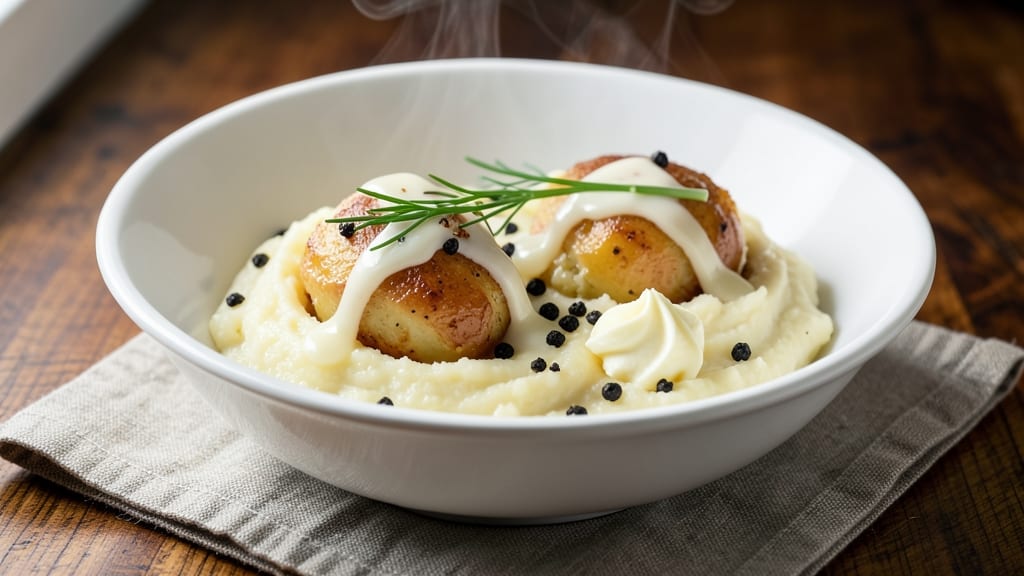
This mushed potatoes recipe guarantees velvety-smooth results with no lumps—just master these simple tricks for restaurant-quality mashed potatoes every time. The secret lies in precise potato selection, proper boiling, and a foolproof mashing method that transforms starchy tubers into velvety perfection.
I've tested countless variations to eliminate guesswork, so you can achieve restaurant-quality texture with minimal effort.
This method starts with the right potatoes—waxy varieties like Yukon Gold create a naturally creamy texture, while russets add fluffiness. Boiling them until fork-tender (not mushy) preserves their structure, and the mashing technique ensures no lumps remain.
Butter and warm milk or cream bind the potatoes while keeping them light, and careful seasoning balances richness with subtle flavor.
What you'll end up with is mashed potatoes so silky and smooth they'll fool even the most critical dinner guests. The texture is perfectly balanced—neither gluey nor dry—with just the right amount of creaminess.
These potatoes pair beautifully with roasted meats, gravy, or as a standalone comfort dish that feels indulgent yet simple to prepare.
Ready in just 30 minutes, this recipe scales effortlessly for any gathering. Store leftovers in the refrigerator for up to 3 days or freeze for longer storage. The key to success? Paying attention to detail at each step—from boiling to mashing—ensures flawless results every time.
Ingredients for mushed potatoes
Restaurant-quality mashed potatoes start with these nine essentials—each playing a critical role in texture and flavor.
| Ingredient | Amount | Notes |
|---|---|---|
| Yukon Gold Potatoes 🥔 | 2 lbs | Medium-sized, unpeeled for texture |
| Unsalted Butter 🧈 | ½ cup | Cold, cut into 1-inch cubes |
| Heavy Cream 🥛 | ½ cup | Warm, not boiling |
| Whole Milk 🥛 | ¼ cup | Room temperature for blending |
| Diamond Crystal Kosher Salt 🧂 | 1 ½ tsp | Adjust to taste, freshly ground |
| Freshly Ground Black Pepper 🌶️ | ½ tsp | Cracked, not pre-ground |
| Roasted Garlic Cloves 🧄 | 2 whole | Smashed for depth of flavor |
| Fresh Chives 🌿 | 2 tbsp | Finely chopped, for garnish |
| Water 💧 | 4 cups | Cold, for boiling potatoes |
The potato selection is non-negotiable for ultra-smooth results. Yukon Gold potatoes strike the perfect balance between creaminess and structure—russets add fluffiness but require more starch. Most grocery stores carry Yukon Golds year-round, but Trader Joe's and Whole Foods often have the freshest stock. Look for potatoes with smooth, unblemished skins and vibrant color; avoid any with sprouts or soft spots. For larger gatherings, Costco's bulk potato selection is a cost-effective option, but ensure they're uniformly sized for even cooking. The roasted garlic cloves? Peel and roast whole at 400°F for 40 minutes before smashing—they add a sweet, mellow depth that raw garlic can't match.
No heavy cream? Full-fat sour cream at half the quantity delivers similar richness, though the texture will be slightly denser. Substituting butter with olive oil (same amount) creates a lighter finish, but the flavor profile shifts dramatically. The milk can be swapped for warm chicken or vegetable broth for a lighter option, though the potatoes will have a more pronounced savory note. For the roasted garlic, fresh garlic minced into the mashed potatoes works in a pinch, but lacks the caramelized sweetness. Salt is critical—Diamond Crystal kosher salt dissolves completely, unlike table salt which can leave graininess. If you're using table salt, reduce the amount by half. The pepper should be freshly cracked; pre-ground loses potency quickly and can taste bitter.
Freshly boiled potatoes should be fork-tender with no resistance—about 15-20 minutes depending on size. Drain immediately and return to the pot off-heat to prevent overcooking while you prepare the butter and cream. For storage, transfer to an airtight container and press plastic wrap directly on the surface to prevent drying. Refrigerated for up to 3 days, these potatoes reheat beautifully with a splash of warm milk or broth. For longer storage, portion into freezer-safe containers and freeze for up to 3 months. When reheating, use low heat and stir frequently to avoid a gluey texture—adding a pat of butter at the end helps restore creaminess.
Why You'll Love This Recipe
- No-Fuss Potatoes: I swear, these take less effort than microwaving leftovers. Boil the Yukon Golds whole, mash them with butter and cream—boom—done. No peeling, no dicing, no stress.
- Creamy Luxury: That first forkful of buttery, velvety mash? It’s like a hug for your taste buds. The heavy cream and whole milk make it rich without being heavy, and the salt? Just enough to make your mouth water.
- Weeknight Magic: Between us, this is my secret weapon for busy nights. Serve it under roasted chicken, alongside meatloaf, or even as a filling for breakfast burritos. The possibilities don’t end—they just get better.
- Budget Win: Potatoes are cheap, and this recipe stretches them far. A single batch feeds four, reheats beautifully, and still tastes fresh the next day. Honestly, it’s the kind of dish that makes grocery day feel like a victory.
Step-by-step instructions for ultra-smooth mashed potatoes
Here's the method that guarantees velvety, lump-free mashed potatoes every time.
Prepare and Boil the Potatoes
Begin by peeling the 2 lbs Yukon Gold potatoes and cutting them into even 2-inch chunks. The uniformity ensures they cook at the same rate, which is critical for consistent texture. Place them in a large pot and cover with the 4 cups cold water. Add 1 teaspoon of the 1.5 teaspoons diamond crystal kosher salt to the water.
Bring the water to a rolling boil over high heat, then immediately reduce to a gentle simmer. Cook the potatoes for 15-18 minutes, or until they're fork-tender with no resistance in the center. You'll know they're done when the knife slides in easily and the edges begin to pull away from the flesh. Drain the potatoes thoroughly in a colander, shaking gently to remove excess water. The drier the potatoes, the smoother your final mash will be.
Create the Garlic Butter Base
While the potatoes cook, prepare the flavor base by melting the 0.5 cup unsalted butter in a large mixing bowl set over a double boiler or in the microwave. Add the 2 smashed roasted garlic cloves and stir until fragrant, about 1 minute. The garlic should infuse the butter with its sweet, caramelized flavor without burning.
Remove the bowl from heat and let it cool slightly for 2 minutes. This step is crucial—adding cold butter to hot potatoes can cause the mixture to seize up and become gummy. The butter should be warm but not hot to the touch. Here's the thing—this garlic butter forms the foundation of your mash, so take your time getting it right.
Mash the Potatoes with Precision
Return the drained potatoes to the pot and let them sit for 1 minute to steam dry. This final moisture evaporation is what prevents lumps in the final mash. Using a potato masher or ricer, work in batches to mash the potatoes directly in the pot. I prefer a ricer because it breaks down the starches more thoroughly, but a masher works too if you're gentle.
Transfer the mashed potatoes to the bowl with the garlic butter. Begin folding with a wooden spoon, adding the 0.5 cup heavy cream and 0.25 cup whole milk gradually as you go. The key here is patience—add the liquids slowly, one tablespoon at a time, while continuing to fold. You're looking for a texture that's smooth but still slightly thick, like heavy pudding. This ensures the potatoes will hold their shape when piped or spooned.
Season and Finish
Add the remaining 0.5 teaspoon diamond crystal kosher salt and 0.5 teaspoon freshly ground black pepper to the potato mixture. Fold them in completely, then taste and adjust seasoning if needed. The potatoes should be richly seasoned but not overly salty—remember, other components of your meal will contribute to the overall flavor.
For the final touch, transfer the mashed potatoes to a serving bowl and gently fold in the 2 tablespoons finely chopped fresh chives. The chives add a bright, fresh contrast to the rich, creamy potatoes. Serve immediately while still hot, as mashed potatoes continue to thicken as they cool. The result should be ultra-smooth with no lumps, rich from the garlic butter, and perfectly seasoned.
Pro Tips For Making Mushed Potatoes
- Boil Until Fork-Tender: Yukon Golds need to be actually done—no al dente nonsense here. Test with a fork: it should slide in like butter, not meet resistance. I learned this the hard way when my potatoes turned to glue after mashing. Aim for 15-20 minutes in salted water (1 tbsp kosher salt per pound), but don’t rush it.
- Peel Cold, Not Hot: Hot potatoes slip and steam all over your kitchen. Shock them in ice water for 5 minutes first, then peel—they’ll hold their shape, and you won’t lose half the potato to the sink. (Yes, even if you’re impatient like me.)
- Warm the Dairy: Cold heavy cream and milk make your mash grainy. Heat them together in a small saucepan until just warm to the touch (about 110°F)—not hot, not cold. This blends silky smooth, not clumpy. I was skeptical until I tried it.
- Salt the Butter First: Unsalted butter needs flavor too. Mix ½ tsp kosher salt per 4 tbsp butter before melting it into the hot potatoes. This guarantees even seasoning—no dry spots or bland patches. (Your future self will thank you.)
Serving suggestions for this recipe
Classic Roasted Meat Pairings
These ultra-smooth mashed potatoes complement roasted meats beautifully. For a holiday feast, pair them with herb-crusted beef tenderloin or honey-glazed ham—the rich, creamy texture soaks up meaty juices perfectly.
I love serving them alongside garlic butter roasted chicken thighs, where the crispy skin contrasts with the velvety potatoes. 🍖
For a lighter option, try pairing with lemon-herb roasted salmon or maple-glazed pork tenderloin. The subtle roasted garlic in the potatoes enhances the natural sweetness of pork, while the acidity from salmon keeps the potatoes from feeling too heavy.
Don’t overlook beef short ribs—the deep, savory flavors of braised meat make these potatoes feel like a luxurious indulgence.
Gravy Perfection
No mashed potatoes are complete without gravy! Whisk together 2 cups beef or chicken stock with 2 tablespoons cornstarch and 1 tablespoon cold butter to create a silky, lump-free gravy. Simmer until thickened, then season with salt, pepper, and a splash of Worcestershire sauce for depth.
I drizzle it generously over the potatoes right before serving—it cuts through the richness beautifully. 🥄
For a vegetarian twist, make a white wine and mushroom gravy using 8 oz sliced mushrooms, ½ cup dry white wine, and 1 tablespoon Dijon mustard.
The earthy mushrooms and tangy wine elevate the potatoes into a restaurant-worthy side dish. Always keep gravy warm in a slow cooker on low heat while you finish plating.
Holiday Feast Elevations
Transform these potatoes into a showstopper for Thanksgiving or Christmas by adding crispy fried shallots and crumbled blue cheese on top. The shallots add a delicate crunch, while the blue cheese introduces a tangy contrast.
For a kid-friendly version, fold in shredded cheddar cheese and top with bacon bits—a crowd-pleaser that still feels special. 🎄
At Easter, swap the roasted garlic for sautéed green onions and a pinch of nutmeg—the warm spice feels festive. Garnish with paprika or fresh parsley for a pop of color.
For a New Year’s Eve celebration, add crispy prosciutto and whipped cream cheese for a luxurious touch that pairs perfectly with roasted duck or beef Wellington.
Global Variations
Give your mashed potatoes an international twist! For a French bistro vibe, stir in 1 tablespoon Dijon mustard and top with crispy duck confit. In Italian style, fold in ricotta cheese and garnish with sun-dried tomatoes and basil.
The ricotta adds a light, airy texture that balances the richness. 🌍
For a German-inspired version, mix in sautéed apples and a touch of cinnamon—this works surprisingly well with roasted pork. In Mexican cuisine, add smoked paprika, cumin, and crumbled cotija cheese for a bold, spicy twist that pairs beautifully with carnitas or enchiladas.
Each variation keeps the creamy base while introducing exciting new flavors.
Nutrition facts
Frequently asked questions about creamy mashed potatoes
Why do my mashed potatoes turn out lumpy?
Lumps happen when potatoes aren't mashed thoroughly or when too much liquid is added at once. Use a ricer or potato masher and fold in warm milk/cream gradually—one tablespoon at a time—to maintain control. Also, let drained potatoes steam dry for 1 minute before mashing to reduce excess moisture.
Can I make mashed potatoes ahead of time?
Yes! Store cooked mashed potatoes in an airtight container with plastic wrap pressed directly on the surface to prevent drying. Refrigerate for up to 3 days or freeze for 3 months. When reheating, use low heat and stir frequently, adding a splash of warm milk or broth to restore creaminess.
What's the best potato for ultra-smooth mashed potatoes?
Yukon Gold potatoes are ideal—they're waxy enough for creaminess but starchy enough for structure. Russets work too but require more butter/milk for smoothness. Avoid red or fingerling potatoes; they're too dense and don't break down properly.
How do I fix gluey mashed potatoes?
Gluey texture usually means overmixing or adding too much liquid. To fix it, stir in 1 tablespoon cold butter and 1 tablespoon milk while gently folding. If still too thick, add warm milk gradually. For prevention, mash potatoes just until smooth and avoid overworking the mixture.
Can I substitute heavy cream with something lighter?
Yes! Use full-fat sour cream (½ the amount) or warm chicken broth for a lighter option. For extra richness without heaviness, try Greek yogurt (½ cup) mixed with 2 tablespoons milk. The texture will be slightly denser but still delicious—just adjust seasoning to taste.