
Side Dishes
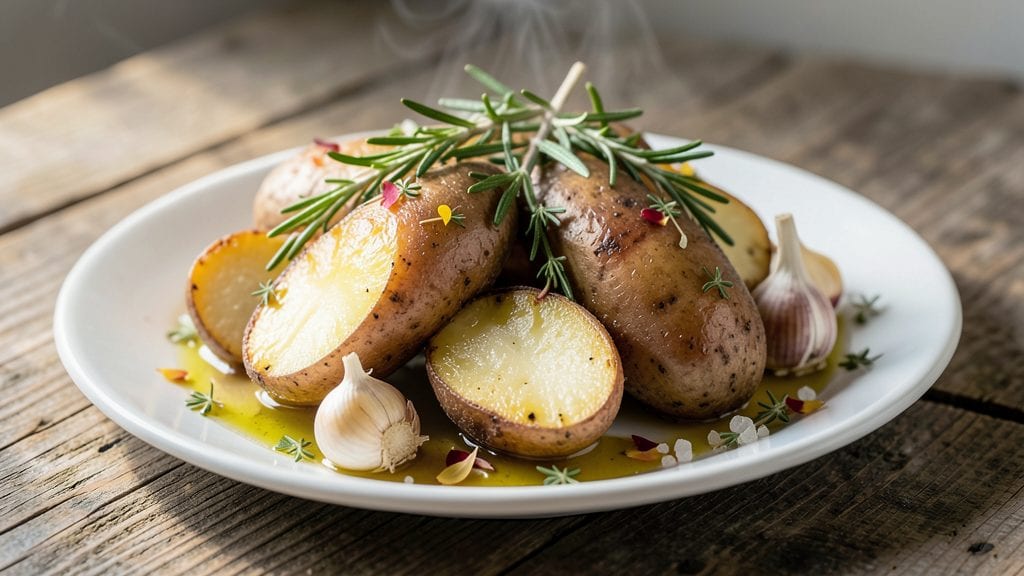
Mastering the art of parboiled potatoes transforms ordinary sides into a versatile, restaurant-quality foundation for any meal. This technique—boiling potatoes briefly, then finishing them with dry heat—reveals their full potential: crispy exteriors and fluffy pink interiors that hold up perfectly in soups, salads, or as a standalone dish.
I developed this method after years of struggling with mealy, waterlogged potatoes, and the difference is night-and-day.
The secret lies in precise timing and temperature control. Parboiling creates a barrier that locks in moisture while allowing the skin to crisp beautifully when finished.
Whether you're prepping for a hearty stew or a fresh potato salad, this method ensures your potatoes stay tender yet sturdy, with a texture that's impossible to achieve through boiling alone. The herb-infused variation adds an aromatic depth that elevates even the simplest dishes.
What you'll achieve is a batch of potatoes that's ready to be roasted, mashed, or served whole—each bite delivering that perfect contrast of crispy exterior and fluffy interior. The pink hue signals perfect doneness, while the herbs infuse every bite with bright, fresh flavor.
This isn't just a side dish; it's a game-changer for home cooks who want restaurant-quality results without the fuss.
Best of all, this technique works for any potato variety and scales effortlessly from family dinners to crowd-pleasing buffets. Let's get started with the foolproof method that will revolutionize your potato game forever.
Ingredients for parboiled potatoes
Nine essential components for restaurant-quality potatoes that stay fluffy and crispy—game-changer for any meal.
| Ingredient | Amount | Notes |
|---|---|---|
| Russet Potatoes 🥔 | 3 lb | Medium size, unpeeled for texture |
| Fresh Rosemary 🌿 | 1 tbsp | Chopped, stems removed for aroma |
| Fresh Thyme 🌿 | 1 tbsp | Leaves only, finely chopped |
| Garlic Cloves 🧄 | 4 cloves | Smashed, not minced for texture |
| Extra-Virgin Olive Oil 🫒 | ¼ cup | High quality, fruity variety |
| Diamond Crystal Kosher Salt 🧂 | 1 ½ tbsp | Fine grain for even seasoning |
| Freshly Ground Black Pepper 🌶️ | 1 tsp | Coarse grind for texture |
| Cold Water 💧 | 4 cups | For ice bath to stop cooking |
| Ice Cubes ❄️ | 1 cup | For rapid temperature shock |
Russet potatoes are your best bet for this technique—their high starch content creates that perfect fluffy interior. Buy from a specialty grocer like Whole Foods or your local farmers' market for the freshest, most flavorful tubers. Look for potatoes with firm skin and no sprouts, as these hold up best during parboiling. The herbs? Fresh is non-negotiable—dried just won't cut it here. I always grab rosemary and thyme from the bulk bins at Trader Joe's because they're consistently fresh and affordable. For the garlic, peel and smash the cloves with the flat side of your knife—this releases more flavor than mincing would.
No fresh rosemary? Substitute with 1 teaspoon dried, but be warned—it won't have the same aromatic punch. Thyme leaves only? Use 1.5 teaspoons dried thyme. Running low on olive oil? Avocado oil works perfectly, but don't use vegetable oil—it lacks the fruity depth. The ice bath is crucial—skip it and your potatoes will turn mushy. Pro tip: If you don't have ice cubes, just use 1 cup of very cold water from your fridge. The kosher salt is key—Diamond Crystal is my go-to because it dissolves perfectly and enhances flavor without overpowering. For pepper, freshly ground is a must—pre-ground loses potency fast.
Store prepped potatoes in an airtight container in the fridge for up to 5 days, but they're best used within 3 days for peak texture. To reheat, toss them with a little more olive oil and roast at 400°F for 15-20 minutes until crispy again. For meal prep, I like to portion them into individual containers with a drizzle of olive oil—just add fresh herbs when ready to serve. These potatoes freeze surprisingly well too—toss them in olive oil first, then freeze on a tray before transferring to bags for up to 3 months. The texture changes slightly after freezing, but they're still delicious in soups or stews.
Why You'll Love This Recipe
- Foolproof Prep: I swear by this method—just peel, cut, and boil. No peeling eyes or guessing sizes, because these Russets hold their shape like champs.
- Herb-Packed Punch: That rosemary and thyme? They cling to the potatoes like a hug. Sear them in olive oil with garlic, and suddenly, simple potatoes taste like you slaved over them.
- Meal Prep MVP: Make a big batch on Sunday, and you’ve got lunch for days. Toss with eggs for breakfast, chuck in salads, or reheat with a sprinkle of salt—still tastes fresh.
- Budget Magic: Russets are cheap, and this recipe stretches them far. Plus, leftovers reheat like they’re brand new—no soggy mess, just crispy edges and tender centers.
Step-by-step instructions for herb-infused parboiled potatoes
This method transforms simple russet potatoes into restaurant-quality sides with crispy edges and fluffy pink centers.
Prep and Parboil the Potatoes
In a large pot, combine the 3 lb russet potatoes with the 4 cups cold water and the 1.5 tbsp diamond crystal kosher salt. Bring to a rolling boil over high heat—you'll hear a vigorous bubbling sound. Once boiling, reduce heat to medium and let the potatoes cook for exactly 12 minutes. This partial cooking creates a creamy interior while maintaining structure for later roasting.
I use a timer here because overcooking during this stage leads to mushy potatoes. You'll know it's ready when you pierce a potato with a fork and meet slight resistance—it should be tender but not falling apart. Drain immediately in a colander and rinse briefly with cold water to stop the cooking process.
Create the Herb Oil Infusion
While the potatoes cook, heat the 0.25 cup extra-virgin olive oil in a large skillet over medium heat. Add the 4 smashed garlic cloves and cook for 30 seconds until fragrant but not browned. Remove from heat and stir in the 1 tbsp chopped fresh rosemary and 1 tbsp chopped fresh thyme. Let this herb oil infusion steep for 5 minutes while you prepare the potatoes.
The key here is patience—allowing the herbs to infuse the oil maximizes flavor. If you rush this step, you'll miss out on the aromatic depth that makes these potatoes extraordinary. The oil should take on a vibrant green hue from the herbs and carry their piney, earthy notes.
Toss and Roast for Crispy Perfection
Return the drained potatoes to the same pot and toss vigorously with the herb oil infusion. Spread them out in a single layer on two rimmed baking sheets—don't overcrowd, as this prevents even browning. Sprinkle evenly with the 1 tsp freshly ground black pepper and toss again to coat.
Roast at 425°F for 30-35 minutes, stirring once halfway through, until the edges are deep golden brown and crispy. The potatoes should have a beautiful contrast—crispy exterior with a fluffy pink interior. If using a convection oven, reduce time by 2-3 minutes as heat circulates more efficiently.
Ice Bath for Texture Control
Immediately after roasting, transfer the potatoes to a large bowl and add the 1 cup ice cubes. Toss gently to distribute the ice evenly. This rapid temperature shock stops the cooking process instantly and creates that signature crispy exterior while keeping the interior tender. Let them sit for 3-5 minutes until the ice has mostly melted.
This final step is what separates good parboiled potatoes from exceptional ones. The ice bath preserves the texture you've worked so hard to achieve—crispy edges that shatter when bitten into, with a fluffy pink center that's still warm and inviting. Serve immediately while still slightly warm for the best texture contrast.
Pro Tips For Making Parboiled Potatoes
- USE A SHARP KNIFE, NOT A PEELER: Russets are tough—don’t waste time with a peeler, which leaves jagged edges and uneven cuts. Grab a chef’s knife and slice them thick (about ¼-inch) for even cooking, or chop into 1-inch chunks if you’re short on time. Uneven pieces mean some will turn to mush while others stay raw.
- SALT THE WATER LIKE THE OCEAN: Toss in at least 2 tablespoons of salt per gallon of water—this isn’t optional. The potatoes need that flavor to develop, and under-salting means bland, sad parboiled potatoes. (Yes, even if you’re adding more salt later.) I learned this the hard way after making a batch that tasted like nothing.
- DON’T SKIP THE COLD START: Cold water prevents the outsides from cooking faster than the insides, which guarantees uneven doneness. Fill your pot with cold water, then bring it to a boil—this isn’t a race. Rushing it leads to gummy potatoes, and nobody wants that.
- TOSS THEM IN OIL AFTER DRAINING: Drain the potatoes, then immediately toss them in a hot pan with 2 tablespoons of olive oil and the whole garlic cloves (smashed, not minced). The oil locks in moisture and builds flavor while you crisp them up. Skipping this step means dry, flavorless potatoes—don’t let that happen.
Troubleshooting your parboiled potatoes
Uneven Cooking
If your potatoes emerge with some pieces undercooked and others mushy, your parboiling time or heat distribution is inconsistent. I’ve found that using a large pot with at least 2 inches of water above the potatoes ensures even cooking.
Also, cut potatoes into even 1-inch chunks before parboiling—this prevents larger pieces from cooking slower. For extra insurance, use a thermometer to confirm the water reaches 212°F before starting the timer. 🌡️
Mushy Texture
Over-parboiling is the #1 culprit for mushy potatoes. The 12-minute rule is non-negotiable—any longer, and the starches break down too much. If you’re worried about doneness, pierce with a fork—it should slide in easily but not fall apart.
For stubbornly tough potatoes, try adding ½ tsp baking soda to the water (it raises pH and softens them faster, but use sparingly).
Skin Doesn’t Crisp
If your potato skins stay soft after roasting, the issue is likely lack of surface tension or insufficient drying. After parboiling, pat the potatoes completely dry with a clean kitchen towel—even a little moisture prevents browning.
For extra crunch, toss with 1 tbsp cornstarch before roasting. Also, ensure your oven rack is in the middle position—heat rises, and uneven positioning can leave skins soggy. 🔥
Herbs Lose Flavor
Herbs can taste bland if they’re not fresh or if they’re added too late. Always use fresh rosemary and thyme—dried substitutes lack the aromatic punch. For maximum flavor, steep the herbs in warm (not hot) oil for 5 minutes before tossing with potatoes.
If your herbs taste muted, try lightly toasting them in the oil for 10 seconds before adding the rest—this intensifies their aroma.
Potatoes Stick to Pan
Sticking happens when potatoes aren’t fully dried or when the oil isn’t hot enough. After parboiling, let potatoes air-dry for 5 minutes on a rack before tossing with oil. For roasting, heat the oil in the pan until it shimmers at 350°F—this ensures a non-stick surface.
If they still stick, use a nonstick baking sheet or line with parchment paper (but avoid overcrowding).
Color Turns Gray
Gray potatoes usually mean oxidation from prolonged exposure to air. To prevent this, toss parboiled potatoes with a little lemon juice (just 1 tbsp) before roasting—this preserves their bright color. If they’ve already grayed, roast at a slightly lower temp (400°F) for a longer time to restore browning.
For extra vibrancy, add a pinch of turmeric to the oil (it’s a natural color enhancer).
Nutrition facts
Frequently asked questions
Why do we parboil potatoes before roasting?
Parboiling creates a moisture barrier that locks in flavor while allowing the skins to crisp beautifully during roasting. The 12-minute boil develops a creamy interior that stays tender, while the final roast builds that perfect crunch. Without this step, potatoes often turn mushy or burn unevenly.
Can I use waxy potatoes like red potatoes instead of russets?
Waxy potatoes work differently—they hold their shape better but won't give the same fluffy interior. For this recipe, stick with russets or Yukon Golds. If you must use waxy potatoes, reduce parboiling to 8-10 minutes and roast at 400°F instead. The texture will be firmer but still delicious.
How do I store these potatoes for meal prep?
Store in an airtight container in the fridge for up to 5 days, but they're best within 3 days. For reheating, toss with extra olive oil and roast at 400°F for 15 minutes until crispy. For freezing, coat in oil first, then freeze on a tray before bagging for up to 3 months. Texture changes slightly but works great in soups.
What if my oven doesn't go up to 425°F?
Use the highest temperature your oven can handle—typically 400°F. Increase roasting time by 5-10 minutes and check frequently. For convection ovens, reduce by 2-3 minutes since heat circulates faster. The key is golden brown edges with crispy texture.
Can I make these potatoes ahead and finish later?
Parboil and store peeled potatoes in cold water in the fridge for up to 2 days. When ready to finish, drain, pat dry, toss with oil/herbs, and roast as directed. For whole potatoes, parboil and store unpeeled in the fridge for 3 days—peel just before roasting.