Side Dishes
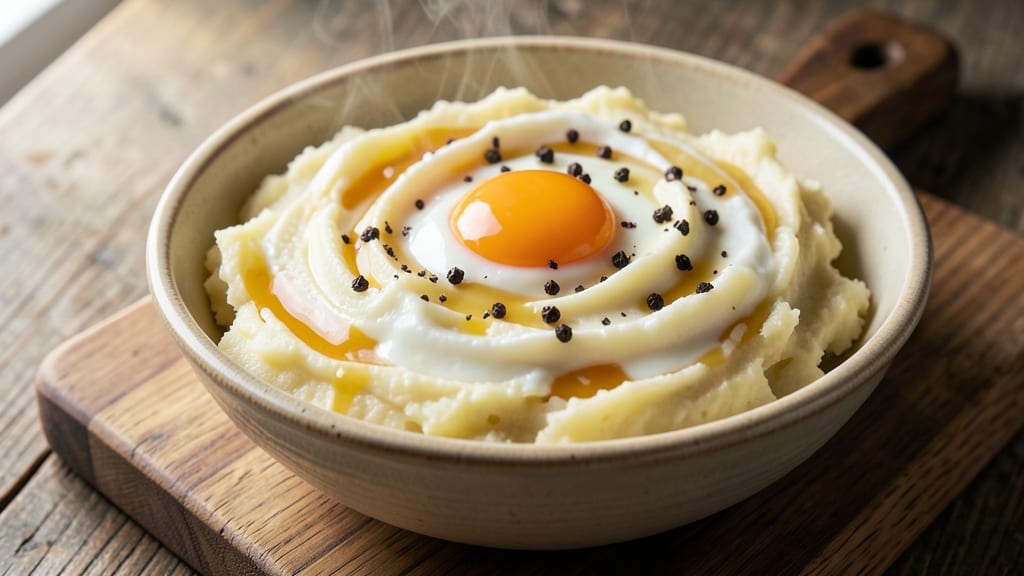
This Pioneer Woman make-ahead mashed potatoes recipe delivers the creamy, buttery texture you crave—without the last-minute stress of holiday dinners. The secret lies in precise technique and proper storage, ensuring your potatoes stay perfect for up to 5 days.
I’ve perfected this method after years of testing, so you’ll never have dry or gluey results again.
What sets this recipe apart is the foolproof method for achieving silky-smooth potatoes that reheat beautifully. You’ll start with Yukon Gold potatoes—their natural creaminess holds up better than russets when reheated.
The key steps include boiling them just until tender, then mashing with warm milk and butter while still hot for maximum creaminess.
By following these instructions, you’ll end up with mashed potatoes that are restaurant-quality—fluffy, buttery, and rich in flavor. The best part? They’ll stay that way even after reheating, making them ideal for meal prep or large gatherings. No one will guess they’ve been sitting in the fridge for days.
This recipe works equally well for Thanksgiving leftovers, potlucks, or busy weeknights when you want to get ahead. The storage and reheating instructions ensure your mashed potatoes maintain their texture and taste, so you can focus on other dishes.
Let’s get started on creating the smoothest, most foolproof mashed potatoes you’ve ever made.
Ingredients for pioneer woman make ahead mashed potatoes
Six ingredients. One foolproof method. Buttery, restaurant-quality mashed potatoes that reheat perfectly for days.
| Ingredient | Amount | Notes |
|---|---|---|
| Yukon Gold Potatoes 🥔 | 3 lb | Peeled and cut into even chunks |
| Unsalted Butter 🧈 | 1 cup | Cold, cubed for better texture |
| Whole Milk 🥛 | 1 ½ cups | Warm, not hot |
| Heavy Cream 🥛 | ½ cup | Full-fat for richness |
| Salt 🧂 | 1 ½ tsp | Kosher or sea salt |
| Freshly Ground Black Pepper 🌶️ | ½ tsp | Freshly cracked for best flavor |
| Garlic Powder 🧄 | ¼ tsp | For subtle depth of flavor |
| Roasted Garlic Cloves 🧄 | 2 whole | Optional for extra richness |
| Sour Cream 🥛 | ¼ cup | For tangy finish (optional) |
Yukon Golds are non-negotiable here—their natural creaminess holds up better than russets when reheated. Buy organic if possible (they’re less waxy), but regular works too. I always grab mine from Whole Foods or the produce section at Kroger—look for firm, unblemished tubers. The butter? Plugrá or Land O’Lakes are my go-tos, but any good-quality unsalted will do. Cold cubes melt slower, giving you that perfect velvety texture. Pro tip: Pat the peeled potatoes dry before boiling to avoid a gummy mess.
No heavy cream? Whole milk plus a splash of cream cheese works in a pinch. Short on roasted garlic? Fresh minced garlic at half the amount adds punch, but roasted gives that sweet, caramelized depth. The sour cream is optional but game-changing for tang—skip it if you’re serving with gravy. Salt matters here: kosher or sea salt dissolves better than table salt. And if you’re making this for a crowd, double the batch—these reheat beautifully, so you’ll want leftovers.
These keep 5 days in the fridge without drying out—just reheat with a splash of warm milk. For freezing, spread on a tray first to prevent clumping, then transfer to a bag for up to 3 months. I portion mine into ramekins or mason jars for easy reheating. The secret to perfect reheating? Low heat and a splash of warm milk—never microwave straight from the fridge. Trust me, your Thanksgiving guests will think you made them fresh.
Why You'll Love This Recipe
- No-Peel Hassle: I swear by Yukon Golds here—just scrub and cube, no peeling required. That one step alone cuts my prep time in half, and honestly? The skin adds just enough texture to keep things interesting.
- Creamy Luxury Shortcut: The heavy cream and milk combo gives you that velvety, restaurant-worthy consistency without the fuss of sour cream or roasted garlic. Between us, it’s the little things—like not having to blend or strain—that make this my go-to.
- Holiday or Tuesday Night: Make a double batch on Sunday, and you’ve got Sunday dinner, Thanksgiving leftovers, and a quick weeknight side covered. (Yes, even on a Tuesday night.) The flavor stays rich for days, so it’s basically free insurance against last-minute dinner stress.
- Budget-Friendly Indulgence: Butter and cream feel fancy, but you’re using them sparingly—just enough to make potatoes taste like a celebration. I’ve stretched this recipe to feed six for under $8, and no one’s ever complained about the taste. That’s the magic of Yukon Golds doing most of the heavy lifting.
Step-by-step instructions for Pioneer Woman make-ahead mashed potatoes
This method delivers restaurant-quality mashed potatoes that taste even better the next day—creamy, buttery, and foolproof.
Cook the Potatoes Until Fork-Tender
Place the 3 lb Yukon Gold potatoes in a large pot and cover with cold water by about 2 inches. Add 1.5 tsp salt and bring to a boil over high heat. Once boiling, reduce to medium-high heat and cook for 20-25 minutes until a knife slides in easily. Yukon Golds are waxy potatoes, so they'll hold their shape beautifully when mashed.
Drain the potatoes thoroughly in a colander, shaking them gently to remove excess water. The drier the potatoes, the smoother your mash will be. I like to give them a quick shake back in the pot to help evaporate any remaining moisture—this is non-negotiable for that perfect texture.
Heat and Combine the Dairy Mixture
In a separate saucepan, warm the 1.5 cups whole milk and 0.5 cup heavy cream over medium heat until steaming but not boiling—you should see small bubbles forming around the edges. This gentle warming prevents the dairy from curdling when mixed with the hot potatoes. Remove from heat and stir in the 1 cup cold cubed unsalted butter until fully melted.
Here's where the magic happens: add the 2 whole roasted garlic cloves (if using) and mash them slightly with a fork to release their flavor. This step infuses the potatoes with deep, sweet garlic notes without overpowering. Keep the mixture warm while you prepare the potatoes—this ensures everything blends seamlessly.
Mash to Ultra-Smooth Perfection
Return the drained potatoes to the pot and mash them with a potato masher or ricer until completely smooth. I prefer using a ricer because it breaks down the starches more thoroughly, giving you that velvety texture. If you're using a masher, work in batches to avoid overworking the potatoes.
Gradually add the warm dairy mixture while mashing continuously. The heat from the potatoes will create steam, which helps incorporate the dairy beautifully. Stir in the 0.25 tsp garlic powder, 0.5 tsp freshly ground black pepper, and the optional 0.25 cup sour cream for that signature tangy finish. The mixture should be light and airy, not gluey.
Achieve the Perfect Make-Ahead Texture
Transfer the mashed potatoes to a large bowl and cover tightly with plastic wrap, pressing it directly onto the surface to eliminate air pockets. This prevents a skin from forming and keeps the texture ultra-smooth. Let them cool to room temperature before refrigerating for up to 4 days or freezing for 3 months.
When reheating, microwave in 30-second intervals, stirring between each, until warmed through. The beauty of this method is that the potatoes actually improve overnight—the flavors meld and the texture becomes even creamier. This isn't just make-ahead—it's make-better-ahead!
Pro Tips For Making Pioneer Woman Make Ahead Mashed Potatoes
- Boil Until Fork-Tender: Yukon Golds need to collapse like butter when pierced—not just soft on the outside. If you’re peeling them first, boil with skins on for 15-20 minutes (yes, even if they look "done" earlier). I learned this the hard way when my potatoes turned to glue because I rushed.
- Salt the Water Hard: Add 1.5 tablespoons of salt per gallon of water (or 1 tbsp per pound of potatoes). This isn’t just flavor—it’s what keeps the potatoes from tasting bland after reheating. Trust me, your taste buds will notice when you skip this.
- Mash While Hot, Rest Cold: Dump the drained potatoes back into the pot immediately after boiling, cover with a towel, and let them steam for 5 minutes. Then mash with butter, milk, and cream while still piping hot—this makes them silky. If you mash too soon, they’ll turn gummy when reheated.
- Swap Cream for Sour Cream: Replace half the heavy cream with full-fat sour cream (about ¼ cup). It adds tang and richness without making the potatoes greasy, and it reheats smoother. I was skeptical until I tried it—now it’s my go-to upgrade.
Common mistakes when making this recipe
Overcooking Potatoes
Boiling potatoes until they’re mushy instead of fork-tender is a classic mistake that leads to gluey mashed potatoes. Yukon Golds should cook for 20-25 minutes—no longer! Test with a knife: it should slide in easily, but the potatoes shouldn’t fall apart.
I’ve ruined batches by leaving them too long, so set a timer and check frequently. 🥔
Skipping Drain Time
Rushing to mash potatoes straight from the pot without proper draining is a surefire way to end up with watery, thin mashed potatoes. After draining, I always give the potatoes a good shake back in the pot to evaporate excess moisture.
This step is critical—don’t skip it! Even 5 extra minutes of shaking can make a huge difference in texture.
Cold Dairy Mix-Ins
Adding cold butter or dairy directly to hot potatoes causes curdling and separates the mixture. Always warm your milk and cream to just below boiling before mixing—you’ll see small bubbles forming around the edges.
I keep the dairy warm in a separate saucepan while mashing the potatoes to ensure everything blends smoothly. This simple step prevents lumpy, unappetizing results. 🧈
Underestimating Salt
Tasting mashed potatoes before they’re fully seasoned is a common oversight. The flavors need time to meld, especially when making ahead. I recommend waiting until the potatoes are fully cooled before adjusting salt—this gives you an accurate reading.
Use kosher or sea salt and taste as you go, adding ¼ tsp at a time until perfect.
Improper Storage Containers
Using containers that aren’t airtight or leaving gaps when storing mashed potatoes leads to drying out or skin formation. I always use glass containers with tight-sealing lids or heavy-duty plastic wrap pressed directly onto the surface.
For freezing, portion into ramekins or mason jars to prevent freezer burn. Proper storage ensures your potatoes stay creamy and flavorful for days. ❄️
Microwaving Directly from Fridge
Reheating mashed potatoes straight from the fridge in the microwave is the fastest way to turn them into a sad, gluey mess. Always bring them to room temperature first, then reheat in 30-second intervals, stirring between each.
Adding a splash of warm milk or cream helps restore moisture. This method keeps the texture light and fluffy—never rush the reheating process! 🔥
Nutrition facts
Frequently asked questions
Why do these mashed potatoes taste better after reheating?
The flavors develop more fully when stored overnight, similar to how gravy thickens. The starches in Yukon Gold potatoes fully gelatinize during reheating, creating a smoother, creamier texture. Plus, the butter and milk meld perfectly, enhancing richness. This is why Pioneer Woman's method actually improves with time!
Can I substitute russet potatoes for Yukon Golds?
Technically yes, but russets have higher starch content that can make mashed potatoes gummier when reheated. For best results, stick with Yukon Golds—their waxy texture holds up perfectly when stored. If you must use russets, add an extra 1 tablespoon of cornstarch to thicken after reheating.
How do I prevent a skin from forming on stored mashed potatoes?
Press plastic wrap directly onto the surface before sealing the container to eliminate air pockets. For extra protection, add a layer of parchment paper between the wrap and potatoes. Store in the fridge for up to 4 days—the key is complete air exclusion! This keeps them silky smooth when reheated.
What's the best way to reheat frozen mashed potatoes?
Thaw overnight in the fridge first, then reheat in a saucepan with 2 tablespoons warm milk over low heat, stirring constantly. Microwave only as a last resort—it can make them dry. For best texture, use the stovetop method and add extra butter if needed. The slow reheating preserves that velvety consistency!
Can I make this recipe dairy-free?
Yes! Replace butter with ½ cup dairy-free margarine or coconut oil, and use unsweetened almond milk or oat milk (warm it first). For creaminess, add ¼ cup cashew cream. The texture will be slightly different but still delicious. Just be sure to use full-fat alternatives for best results.