Main Courses
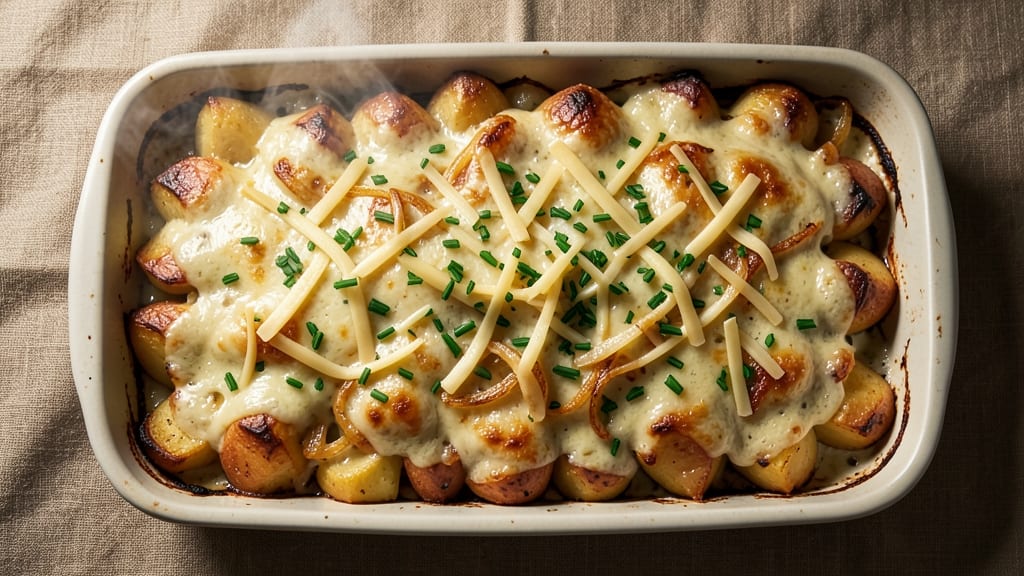
Recreating the Pioneer Woman's iconic twice-baked potato casserole delivers that perfect balance of creamy filling and crispy vinegar-kissed crust that everyone will beg for seconds.
Standing on a step stool in my grandmother's kitchen in Sicily, I learned how to layer flavors in a way that transforms simple ingredients into something extraordinary.
This recipe captures that same magic—where every bite delivers velvety cheese and tender potatoes topped with a golden, tangy crust that's impossible to resist.
The secret lies in the preparation: baking the potatoes until fork-tender, then mixing them with a rich cheese sauce that's thick enough to hold its shape but still luscious.
A splash of vinegar in the topping transforms ordinary breadcrumbs into something crispy and tangy, creating that signature texture contrast that makes this casserole legendary. It's the kind of dish that feels like a warm hug on a chilly evening.
What you'll end up with is a creamy, cheesy potato masterpiece that's baked to golden perfection—crisp on top, tender inside, and packed with all the comforting flavors of home. The vinegar-kissed crust adds a bright, tangy finish that cuts through the richness, making every bite balanced and satisfying.
This is the casserole that will disappear faster than you can say "second helping."
Perfect for family dinners, holiday gatherings, or when you need to feed a crowd without spending hours in the kitchen. The recipe scales beautifully, so you can easily double or triple it for larger groups. Here's how to make it—just like the Pioneer Woman would.
Ingredients for pioneer woman recipe for twice baked potato casserole
Fork-tender potatoes, velvety cheese, and vinegar-kissed crunch—this is the Pioneer Woman's secret to comfort food perfection.
| Ingredient | Amount | Notes |
|---|---|---|
| Russet Potatoes 🥔 | 3 lbs | Medium size, peeled and cubed |
| Unsalted Butter 🧈 | ½ cup | Cold, cut into small pieces |
| Heavy Cream 🥛 | 1 cup | Full-fat for creaminess |
| Sharp White Cheddar Cheese 🧀 | 2 cups | Shredded, full-fat preferred |
| Gruyère Cheese 🧀 | 1 cup | Shredded, nutty flavor |
| Fresh Chives 🌿 | ¼ cup | Chopped, for freshness |
| White Vinegar 💧 | 2 tbsp | For tangy crust |
| Panko Breadcrumbs 🍞 | 1 ½ cups | For crispy texture |
| All-Purpose Flour 🌾 | ½ cup | For binding topping |
| Garlic Powder 🧄 | 1 tsp | For subtle depth |
| Salt 🧂 | 1 ½ tsp | Kosher or sea salt |
| Black Pepper 🌶️ | ½ tsp | Freshly ground |
| Milk 🥛 | ½ cup | For smooth sauce |
The potatoes are your foundation. Russets break down beautifully, but don't skip peeling—it keeps things creamy. I grab the 3-pound bags from Costco when I'm feeding a crowd, but regular grocery store Russets work just fine. For the cheese, Gruyère adds that nutty depth—it's worth the splurge. If you can't find it, extra-sharp white cheddar works in a pinch. The key is shredding it yourself; pre-shredded gets clumpy. And trust me on the full-fat cream and butter—this is where the magic happens.
No Gruyère? Parmesan or Swiss can step in, but they change the flavor profile. The vinegar in the topping is non-negotiable—it's what gives that signature tangy crunch. Apple cider vinegar works too, but white keeps things classic. For the breadcrumbs, Panko is your best friend—it stays crispy where regular breadcrumbs would turn soggy. Short on chives? Green onions or parsley work, but chives have that bright, fresh finish that ties everything together. And if you're prepping ahead, make the topping mix first—it keeps dry in the fridge for up to 3 days.
This casserole tastes even better the next day—honestly, it's my go-to for meal prep. Store leftovers covered for 4-5 days, but reheating is an art: cover with foil and bake at 350°F until heated through. For the freshest taste, though, I always make a double batch. The filling keeps in the fridge for 2 days before baking, and the topping can be mixed ahead too. Just don't assemble it until you're ready to bake—otherwise, the breadcrumbs get soggy.
Why You'll Love This Recipe
- One-Pan Magic: I swear by this recipe because it’s literally one pan, one bowl, and done. No fussing with individual potatoes or last-minute baking sheets—just slice, layer, and bake. The heavy cream and Gruyère melt into that golden crust while you’re still pulling the dish out, and honestly? That’s my kind of cooking.
- Creamy Cheese Obsession: Between us, the sharp white cheddar and Gruyère combo is chef’s kiss—nutty, tangy, and just salty enough to make every bite sing. The butter-rich cream soaks into the potatoes like a dream, turning them into fluffy clouds with a crispy top that’s impossible to resist. (Yes, even on a Tuesday night.)
- Leftovers That Don’t Suck: This casserole actually improves the next day. The flavors meld even more, and the texture stays perfect for reheating—no soggy potatoes here. I make a double batch on Sundays because it’s my go-to for lazy lunches or quick dinners when I’m not in the mood to cook. Zero guilt, all satisfaction.
- Budget-Friendly Luxury: Russets are cheap, butter is versatile, and a block of cheddar stretches far. This recipe feels fancy without breaking the bank—especially when you’re feeding a crowd. My college roommate still raves about the time I brought this to a potluck and called it “gourmet.” (She wasn’t wrong.)
Step-by-step instructions for Pioneer Woman twice-baked potato casserole
Here's how to create a golden, vinegar-kissed crust over ultra-creamy potato goodness.
Bake the Potatoes Until Tender
Preheat your oven to 375°F. In a large bowl, toss the 3 lbs of cubed russet potatoes with 1 tablespoon of the 1.5 teaspoons salt and 0.25 teaspoon of the 0.5 teaspoon black pepper. Spread them evenly in a single layer on two rimmed baking sheets.
Bake for 30-35 minutes, flipping the potatoes halfway through, until they're fork-tender when pierced. You'll know they're ready when the edges start to soften and the centers yield slightly to pressure. Let them cool for 10 minutes before handling—they'll be hot and steamy!
Make the Creamy Cheese Filling
While the potatoes cool, melt the 0.5 cup unsalted butter in a large skillet over medium heat. Add the 1 cup heavy cream and let it simmer for 3-4 minutes until slightly thickened. Remove from heat and stir in the 2 cups sharp white cheddar cheese and 1 cup gruyère cheese until completely melted and smooth.
Transfer the mixture to a large mixing bowl and add the 0.5 cup milk, remaining 0.25 teaspoon black pepper, 1 teaspoon garlic powder, and remaining 0.5 teaspoon salt. Stir until fully combined. Add the cooled potatoes and gently fold everything together until well coated. The filling should be creamy and thick enough to hold its shape.
Assemble and Bake the First Layer
Transfer the potato mixture to a 9x13-inch baking dish and spread it evenly into a single layer. The dish should be about ¾ full—don't overfill it. Sprinkle the 0.25 cup chopped fresh chives evenly over the top for freshness.
Bake uncovered at 375°F for 20-25 minutes until the top is lightly golden and the edges begin to set. You're looking for a slight crust to form—this will help hold the second layer in place. Remove from the oven and let it cool slightly for 5 minutes before adding the topping.
Prepare the Vinegar-Kissed Topping
In a medium bowl, combine the 1.5 cups panko breadcrumbs, 0.5 cup all-purpose flour, remaining 1 teaspoon salt, and 2 tablespoons white vinegar. Mix well with your hands or a fork until evenly distributed. The vinegar will create that signature tangy crust we're after.
Spread the topping mixture evenly over the baked potato layer, pressing down gently to ensure good contact. This step is crucial for creating that crispy, golden crust. Return the casserole to the oven and bake for 15-20 minutes until the topping is deep golden brown and bubbly around the edges.
Rest and Serve Warm
Remove the casserole from the oven and let it rest for 10 minutes before serving. This resting time allows the filling to set slightly and makes it easier to slice. The casserole should be creamy in the center with a crispy, vinegar-kissed crust on top.
Cut into squares and serve immediately. The contrast between the creamy, cheesy filling and the crispy, tangy topping is what makes this casserole so special. Pair it with a simple green salad or roasted vegetables for a complete meal. Enjoy the rich, comforting flavors of this Pioneer Woman classic!
Pro Tips For Making Pioneer Woman Recipe For Twice Baked Potato Casserole
- Boil Until Fork-Tender: Russets need a solid 15-20 minutes in boiling water—don’t rush it. I learned this the hard way when my first batch turned to mush halfway through baking. Test one potato first: it should slide off the fork like a dream, not fight you.
- Grate Cheese Fresh: Pre-shredded cheese has anti-caking agents that make your casserole gummy. Grab a box of sharp white cheddar and Gruyère, then grate it yourself—just 5 minutes of elbow grease saves you from a sad, clumpy topping.
- Don’t Overmix the Cream: Stir the heavy cream into the potatoes just until combined—lumps are fine. Overworking it turns the filling into glue. My grandmother swore by this, and she was right: the texture stays creamy, not dense.
- Bake Low and Slow: Skip the broiler for the final crisp. 350°F for 25-30 minutes with foil off lets the cheese melt evenly and the top get golden without burning. Sounds weird, but it works—no more sad, rubbery crusts.
Serving suggestions for pioneer woman recipe for twice baked potato casserole
Classic Pairings
This casserole shines when paired with a simple crisp green salad—think arugula with lemon vinaigrette to cut through the richness. I love adding toasted walnuts and shaved Parmesan for texture. The acidity balances the creamy potatoes perfectly. 🥗
Bread Basket Essentials
Warm, crusty bread is a must at my table. I reach for a homemade sourdough loaf or a garlic herb focaccia from the local bakery. The bread soaks up any leftover cheese sauce beautifully. For extra flair, brush the bread with garlic butter before serving.
Vegetable Sides
Roasted Brussels sprouts with balsamic glaze add a touch of sophistication. Toss them with olive oil, salt, and pepper, then roast at 400°F for 20 minutes. The caramelized edges contrast wonderfully with the creamy casserole. For something lighter, try steamed asparagus with hollandaise sauce.
Dessert Balance
End the meal with something light like vanilla ice cream or a fruit compote. The cold, creamy dessert cleanses the palate after the rich casserole. I often serve a simple berry compote made with fresh strawberries, blueberries, and a touch of honey—it’s refreshing and complements the meal beautifully.
Beverage Pairings
A crisp Sauvignon Blanc from New Zealand cuts through the richness of the cheese. For beer lovers, a Belgian witbier with its citrus notes provides a perfect contrast. If you prefer something non-alcoholic, sparkling apple cider adds a festive touch to the meal.
Make-Ahead Serving
This casserole reheats beautifully, making it perfect for meal prep. Cover leftovers with foil and reheat in the oven at 350°F for 15-20 minutes. For a crowd, serve it family-style in the baking dish—it’s always more inviting that way.
Add fresh chives or parsley as a garnish right before serving to keep everything vibrant. ✨
Nutrition facts
Frequently asked questions
Can I substitute Gruyère cheese in this recipe?
Yes! If you can't find Gruyère, use extra-sharp white cheddar or Parmesan cheese for a similar flavor profile. The Gruyère adds nutty depth, but these alternatives will still create a delicious, creamy filling. Just shred it yourself for the best texture.
Why does the Pioneer Woman recipe use vinegar in the topping?
The vinegar creates that signature tangy, crispy crust that sets this casserole apart. It brightens the flavors and prevents the breadcrumbs from getting soggy. Try apple cider vinegar if you prefer a milder taste, but white vinegar keeps the classic Pioneer Woman touch.
How do I fix a soggy topping?
If your topping turns out soggy, it likely didn't bake long enough or wasn't pressed firmly enough. To salvage it, broil the casserole for 2-3 minutes at the end of baking—just watch closely to avoid burning. For next time, press the topping down gently before baking and ensure it's fully golden.
Can I make this casserole ahead of time?
Assemble the casserole (without baking) and refrigerate it for up to 24 hours before baking. The filling can even be prepped 2 days ahead—just store it in an airtight container. The topping mix stays fresh for 3 days in the fridge. Bake straight from the fridge (add 5-10 minutes to the baking time).
What’s the secret to ultra-creamy filling?
Use full-fat dairy—heavy cream, butter, and cheese—without skimping! The key is melting the butter and cream together first to create a smooth base. Stir in the cheese gradually to avoid clumps, and let the mixture cool slightly before adding the potatoes. This ensures a velvety texture every time.