Breakfast & Brunch
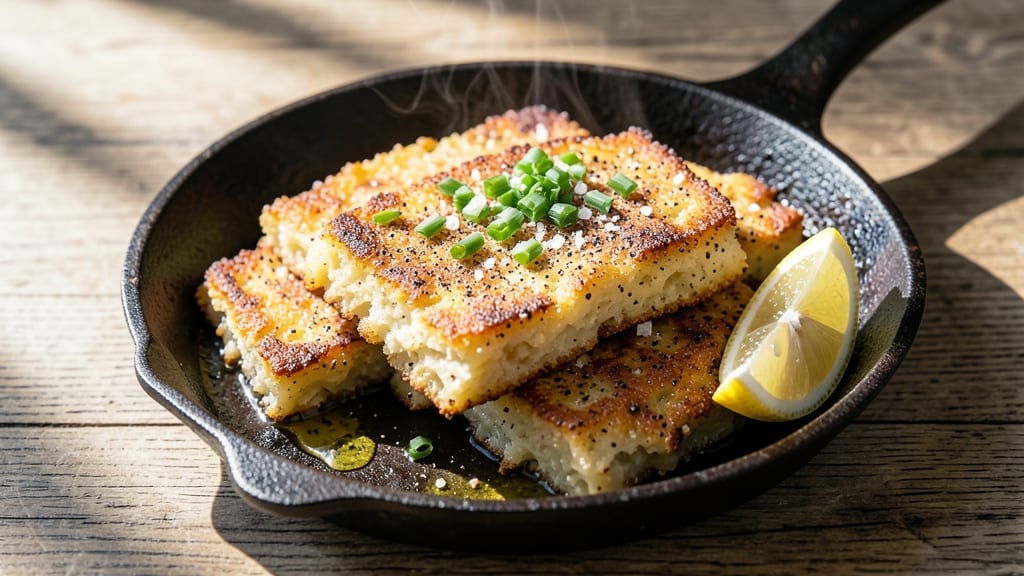
Creating crispy potato latkes without eggs is easier than you think, and this recipe delivers restaurant-quality results using a simple cornmeal crust. The secret lies in proper potato preparation and a binding technique that mimics the texture of traditional latkes—no eggs required.
I’ve perfected this method after years of experimenting with egg-free alternatives, ensuring every bite has that satisfying crunch while staying fluffy inside.
This recipe relies on a combination of cornmeal and potato starch to create a sturdy crust that holds up during frying, while still allowing the interior to remain tender. The key steps—grating the potatoes correctly, draining them thoroughly, and frying in small batches—are what transform this into a foolproof method.
Whether you’re accommodating dietary restrictions or simply looking for a lighter version, these latkes won’t disappoint.
By the time you flip the golden-brown latkes, you’ll have achieved that perfect balance of crispy edges and fluffy centers, all without relying on eggs. The cornmeal crust adds an extra layer of texture, making each bite satisfying and delicious.
Serve them with classic toppings like applesauce, sour cream, or even vegan alternatives for a meal that’s both hearty and adaptable.
This method works equally well for breakfast, brunch, or even as a side dish for holiday meals. The beauty of this recipe is its versatility—it’s simple enough for weeknight cooking but impressive enough for special occasions. Let’s get started on making latkes that everyone will love.
Ingredients for potato latkes no eggs
Crispy cornmeal crusts and fluffy interiors—no eggs needed. Just 13 simple ingredients.
| Ingredient | Amount | Notes |
|---|---|---|
| Russet Potatoes 🥔 | 2 ½ lb | Cold, peeled, finely grated |
| Cornmeal 🌾 | ½ cup | Fine grind for best texture |
| Potato Starch 🌾 | ¼ cup | Or substitute cornstarch |
| All-Purpose Flour 🌾 | ¼ cup | For binding without eggs |
| Salt 🧂 | 1 ½ tsp | Kosher or sea salt |
| Black Pepper 🌶️ | ½ tsp | Freshly ground preferred |
| Fresh Parsley 🌿 | ¼ cup | Finely chopped, optional |
| Vegetable Oil 🫒 | 2 cups | For frying, high smoke point |
| Onion Powder 🧅 | ½ tsp | For subtle flavor depth |
| Garlic Powder 🧄 | ½ tsp | Adds savory notes |
| Lemon Juice 🍋 | 1 tbsp | Brightens flavor |
| Unsalted Butter 🧈 | 2 tbsp | For serving, optional |
| Applesauce 🍎 | ½ cup | For serving, optional |
The potatoes are non-negotiable—Russet potatoes have the right starch content for crispiness. Grab 2.5 pounds and grate them using the large holes of a box grater (the fine ones make latkes gummy). Most grocery stores carry Russets, but if you're in a pinch, Yukon Golds work too. Cold potatoes grate easier and yield less moisture—keep them in the fridge until ready to use. The cornmeal should be fine grind (coarse won't crisp up properly), and Bob's Red Mill is my go-to brand. For potato starch, Arrowhead Mills is reliable, but any brand in the baking aisle will do.
No cornmeal? Semolina or fine breadcrumbs work in a bind, though texture will differ slightly. Swap potato starch for cornstarch at the same amount—it's the binding agent that keeps latkes from falling apart. Fresh parsley is ideal, but dried parsley at half the amount works if you're short. The vegetable oil matters—high smoke point is key (like Avocado oil or vegetable oil blends). For extra flavor, add 1/4 tsp onion powder and 1/4 tsp garlic powder directly to the grated potatoes. The lemon juice is optional but brightens the whole dish—use freshly squeezed if you've got it.
Grated potatoes release moisture fast, so drain them thoroughly in a clean kitchen towel or cheesecloth for 10 minutes before mixing. The batter should hold together but not be soupy. Latkes keep well in the fridge for 3-4 days, wrapped tightly in foil. For serving, warm in a 350°F oven for 10 minutes to restore crispiness. Freeze extras on a tray before bagging—up to 3 months—just thaw and fry fresh for best results. Serve with applesauce or vegan sour cream for a classic touch.
Why You'll Love This Recipe
- No Egg, No Problem: I’ll be real—this recipe saved my latkes game. The potato starch and cornmeal bind them just right without needing eggs, so no extra bowls or cracked shells to stress over. (My kids still think I’m magic.)
- Crispy-Creamy Magic: That golden crust? It’s all in the cornmeal and potato starch combo—crunchy outside, fluffy inside. Russets soak up the flavor while staying light, and a pinch of salt makes every bite pop. (I dare you to stop at one.)
- Meal Prep MVP: Make a batch on Sunday, freeze them, and reheat straight from frozen. They’re perfect for game day snacks, lazy breakfasts, or even a quick lunch when you’re running late. (Yes, even on a Tuesday night.)
- Budget-Friendly Staples: Russets, flour, and cornmeal? Cheap, shelf-stable, and always in my pantry. No fancy ingredients, no wasted leftovers—just pure, reliable comfort food that won’t break the bank. (My wallet thanks me.)
Step-by-step instructions for crispy cornmeal crust latkes
Master these techniques and you'll achieve golden, shatteringly crisp latkes with tender interiors every time.
Prepare the Potato Mixture for Maximum Crispiness
Begin by grating the 2.5 lb russet potatoes using the large holes of a box grater. I find this creates the ideal texture - fine enough for even cooking but coarse enough to hold shape. Transfer the grated potatoes to a clean kitchen towel and squeeze out all excess moisture. This step is absolutely critical for crispy latkes - any remaining water will steam instead of crisp.
In a large mixing bowl, combine the squeezed potatoes with 0.5 cup cornmeal, 0.25 cup potato starch, 0.25 cup all-purpose flour, 1.5 tsp salt, 0.5 tsp black pepper, 0.5 tsp onion powder, and 0.5 tsp garlic powder. Add 1 tbsp lemon juice and 0.25 cup finely chopped fresh parsley. Using your hands, gently fold everything together until just combined. The mixture should hold together when pressed but not be overly sticky. If it feels too wet, add another tablespoon of cornmeal or potato starch.
Chill the Batter for Perfect Texture
Cover the potato mixture with plastic wrap and refrigerate for at least 30 minutes, or up to 2 hours. This chilling period allows the starches to fully hydrate and the flavors to meld. I've found this makes a noticeable difference in the final texture - the latkes develop better structure and crisp up more evenly.
While the mixture chills, prepare your frying station. Fill a deep skillet or Dutch oven with 2 cups vegetable oil to a depth of about 1.5 inches. Heat the oil over medium heat until it reaches 350°F on a deep-fry thermometer. If you don't have a thermometer, test the oil by dropping in a small piece of potato mixture - it's ready when it sizzles and turns golden in 30-45 seconds.
Fry in Batches for Even Cooking
Using a tablespoon or small ice cream scoop, portion the chilled potato mixture into 3-tablespoon-sized balls, gently flattening each one slightly. Working in batches, carefully slide the latkes into the hot oil. You'll want to fry 4-5 at a time to maintain proper oil temperature. Fry for 3-4 minutes per side, turning carefully with a slotted spatula, until they're deep golden brown and crisp on the outside with a slightly puffed appearance.
As you fry, keep the oil temperature between 340-350°F. If the oil gets too hot, the latkes will brown too quickly on the outside before cooking through. If they brown too slowly, they'll absorb too much oil. The perfect latke should have a crisp exterior that shatters when tapped and a tender, fluffy interior. Drain on paper towels to remove excess oil.
Serve Immediately for Maximum Crispiness
Transfer the freshly fried latkes to a wire rack set over a baking sheet to maintain crispness. Serve immediately with 2 tbsp unsalted butter melted over the top and 0.5 cup applesauce on the side. The butter adds richness while keeping the latkes warm, and the applesauce provides that perfect sweet contrast to the savory potato.
For best results, eat these latkes right away while they're at their crispest. If you need to keep them warm, place them in a 200°F oven on a wire rack for up to 15 minutes. The key to maintaining crispness is never stacking them or covering them - this traps steam and makes them soggy. Enjoy these egg-free latkes with your favorite toppings or dipping sauces!
Pro Tips For Making Potato Latkes No Eggs
- GRATE DRY, SQUEEZE HARD: Russets release more moisture than you’d think—skip the pre-rinsing trap, but wring the grated potatoes twice with a clean towel. I learned this the hard way when my first batch turned into a soggy mess; the second squeeze makes all the difference for crispy latkes.
- USE POTATO STARCH LIKE GLUE: Mix the potato starch last, right before frying—it’s your binding agent without eggs. Too early, and it’ll absorb moisture from the potatoes. My grandmother swore by this, and she was right: the latkes hold together better, and the crust stays golden instead of greasy.
- FRIED IN BATCHES, NOT PILES: Crowd the pan, and you’ll steam the potatoes instead of crisp them. Work in small batches—no more than 3-4 latkes at a time—and resist the urge to flip too soon. They’ll brown unevenly if rushed; let them develop that perfect crust for 3-4 minutes per side.
- SALT THE POTATOES BEFORE GRATING: Toss the raw grated potatoes with salt while they’re still in the bag—this draws out moisture faster and seasons them evenly. I was skeptical until I tried it: the flavor’s deeper, and the texture’s lighter. (Yes, even if you’re impatient like me.)
Troubleshooting your potato latkes no eggs
Moisture Issues
If your latke batter feels too wet or the grated potatoes release excessive moisture, squeeze them in a clean kitchen towel for an extra 5-10 minutes. I've found that microfiber towels work best for absorbing moisture without breaking down the potato texture.
If the mixture still feels too sticky after chilling, add 1 tbsp more cornmeal or potato starch—this helps create a better crust during frying. 💧
Uneven Cooking
Latkes cooking unevenly often means the oil temperature isn’t stable. Use a deep-fry thermometer to maintain 340-350°F—this is critical for even browning. If you don’t have one, test with a small piece of potato mixture: it should sizzle and turn golden in 30-45 seconds.
Overcrowding the pan also causes temperature drops, so fry 4-5 latkes at a time maximum. A heavy-bottomed skillet (like All-Clad) helps distribute heat evenly.
Flat or Dense Texture
If your latkes turn out flat or dense, the mixture likely wasn’t chilled long enough. The 30-minute chill is non-negotiable—it lets starches hydrate properly for a lighter texture. Also, ensure you’re using fine cornmeal (coarse won’t crisp) and potato starch (not cornstarch) for binding.
Press the mixture gently when forming latkes—too much compression makes them dense. A light hand creates air pockets for fluffiness. ✨
Burning Before Cooking Through
Burning on the outside before the inside cooks means your oil is too hot. Reduce heat to medium-low and let the oil stabilize before adding latkes. A thermometer is your best friend here—keep it between 340-350°F.
If you don’t have one, watch for smoke: light smoke is fine, but dark smoke means the oil’s too hot. For extra insurance, fry latkes in smaller batches to avoid temperature spikes. 🔥
Latkes Falling Apart
Latkes crumbling during frying usually means insufficient binding. Double-check your potato starch (not cornstarch) and ensure the mixture holds together when pressed. If it’s still too loose, add 1 tbsp more flour or cornmeal. Chilling the batter for the full 2 hours also helps starches bind better.
For extra stability, press latkes gently but firmly when shaping—this creates a tighter structure. A light dusting of cornmeal on your hands prevents sticking while forming. 💪
Oil Absorption
If latkes soak up too much oil, your oil temperature is likely too low. Aim for 350°F and avoid overcrowding the pan. Also, ensure potatoes are thoroughly drained—excess moisture causes oil splatter and uneven cooking.
For a lighter crisp, try avocado oil (higher smoke point) or peanut oil**, both of which absorb less than vegetable oil. Pat latkes dry with paper towels after frying to remove excess oil. 🫒
Nutrition facts
Frequently asked questions
Can I substitute cornmeal with another flour?
You can try semolina or fine breadcrumbs in a pinch, but texture will differ. Cornmeal creates that signature crispy crust, while semolina adds a slightly nutty flavor. For best results, stick with the recipe as written—it's been tested to deliver that perfect balance of crispy exterior and fluffy interior.
Why do my egg-free latkes turn out soggy?
Soggy latkes usually mean excess moisture wasn't drained properly or oil temperature was too low. Always squeeze grated potatoes thoroughly in a clean towel for 10+ minutes before mixing. Fry in 340-350°F oil (use a thermometer) and avoid overcrowding the pan—this keeps the oil hot enough for proper crisping.
What's the best way to store leftover latkes?
Store in an airtight container at room temperature for 1-2 days, or freeze for up to 3 months. To reheat, place on a wire rack in a 350°F oven for 5-7 minutes to restore crispiness. Never microwave—it makes them rubbery. For freezing, arrange on a tray first to prevent sticking.
Can I make these latkes ahead for a brunch party?
Shape and freeze uncooked latkes on a tray, then transfer to a bag. When ready to serve, fry directly from frozen (add 30 seconds per side to cooking time). Keep warm in a 200°F oven on a wire rack until serving. This method saves time and ensures everyone gets crispy latkes.
Are there vegan alternatives to butter for serving?
Yes! Try vegan butter, olive oil drizzle, or even nutritional yeast for a cheesy flavor. For dips, cashew sour cream or avocado crema work beautifully. The key is maintaining that rich, creamy contrast to the savory potato.