
Side Dishes
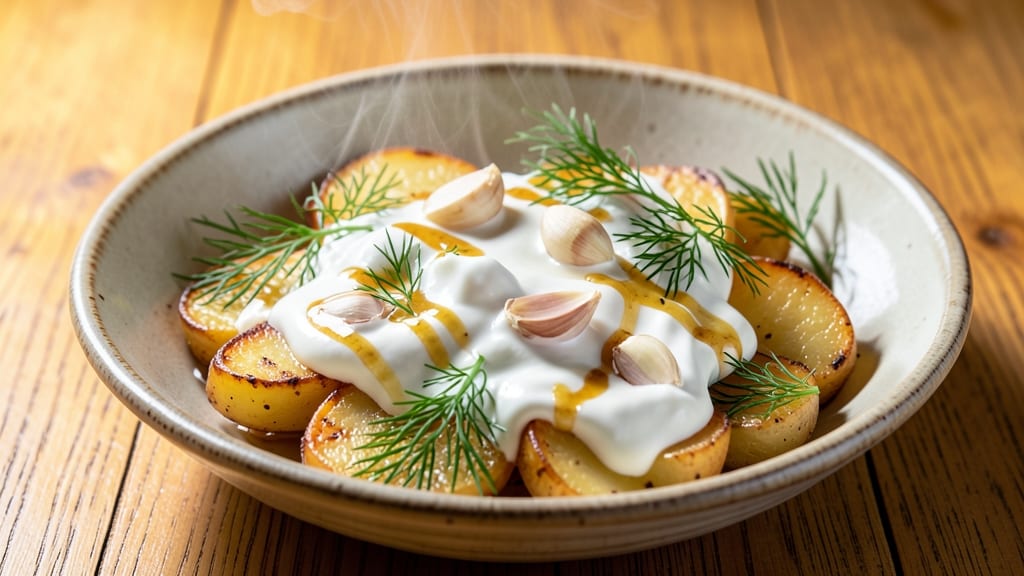
This creamy potato sslad recipe transforms simple potatoes into a velvety, garlic-infused side dish with a bright vinegar tang that elevates any meal. The technique balances traditional Eastern European preparation with modern simplicity, delivering restaurant-quality results in under 45 minutes.
What sets this version apart is the perfect harmony of textures—tender potatoes, rich sour cream, and sharp vinegar that cuts through the richness.
The foundation starts with proper potato preparation: boiling until fork-tender, then carefully mashing while still warm to create that signature creamy consistency. Fresh herbs like dill and parsley add aromatic depth, while garlic and vinegar provide that signature tangy brightness.
This isn't just a side dish—it's a flavor experience that transforms ordinary meals into something special.
By the time you're done, you'll have a dish that's impossibly creamy yet light, with just the right balance of savory, herby, and tangy flavors. The secret lies in precise timing and ingredient ratios—no lumps, no overpowering sourness, just perfectly harmonized components.
This potato sslad works equally well as a side for roasted meats or alongside grilled vegetables.
Whether you're serving a holiday feast or a simple weeknight dinner, this recipe delivers professional-quality results with minimal effort. The creamy texture and vibrant flavors make it a crowd-pleaser that always gets second helpings. Let's create this dish that brings comfort and sophistication to your table.
Ingredients for potato sslad
Simple ingredients elevate to restaurant-quality creamy potato sslad with perfect garlic-herb balance.
| Ingredient | Amount | Notes |
|---|---|---|
| Yukon Gold Potatoes 🥔 | 2 ½ lb | Waxy variety for ideal texture |
| Unsalted Butter 🧈 | ½ cup | Cold, cubed for even melting |
| Sour Cream 🥛 | 1 cup | Full-fat for creaminess |
| Fresh Garlic Cloves 🧄 | 6 cloves | Minced for aromatic depth |
| White Vinegar 🍶 | ¼ cup | Sharp variety preferred |
| Fresh Dill 🌿 | ⅓ cup | Chopped, stems removed |
| Fresh Parsley 🍃 | ¼ cup | Finely chopped for brightness |
| Diamond Crystal Kosher Salt 🧂 | 1 ½ tsp | Fine grain for precise seasoning |
| Freshly Ground Black Pepper 🌶️ | ½ tsp | Cracked peppercorns preferred |
| Heavy Cream 🥛 | ¼ cup | For ultra-smooth texture |
| Granulated Sugar 🍚 | 1 tsp | Balances vinegar acidity |
The potatoes are non-negotiable—Yukon Golds provide that ideal waxy texture that holds together while still yielding a velvety mash. Whole Foods or local farmers markets carry the best quality, with firm, unblemished skins. Avoid russets or red potatoes, which can turn gummy. For the garlic, fresh is essential—none of that pre-minced jar stuff. The vinegar should be white vinegar specifically, not apple cider or balsamic, as it provides that precise tang without overpowering. Store potatoes in a cool, dark place until ready to use, and keep garlic cloves whole until you're ready to mince them.
No fresh dill? Dried dill at one-third the amount works in a pinch, though fresh is ideal for that bright, aromatic punch. Running short on sour cream? Greek yogurt with a splash of lemon juice mimics the tanginess. The butter must be unsalted—adding salt later gives you precise control over seasoning. For a lighter version, swap half the sour cream for low-fat Greek yogurt, though you'll lose some creaminess. The sugar is subtle but crucial—it rounds out the vinegar's sharpness without making the dish sweet. If you prefer a smoother texture, blend the finished sslad for 30 seconds before serving.
This sslad tastes even better the next day as flavors meld. Store in an airtight container in the refrigerator for up to 5 days. For longer storage, portion into ice cube trays, freeze, then transfer to a bag—perfect for quick reheating. When reheating, add a splash of warm water or milk to restore creaminess. The dish pairs beautifully with roasted meats or grilled vegetables, making it a versatile side for any occasion.
Why You'll Love This Recipe
- One-Pan Magic: I swear by this recipe for lazy nights—just slice, roast, and toss. No chopping boards, no mess, no stress. The Yukon Golds caramelize right on the sheet pan while you mix the sour cream and vinegar dressing in a bowl nearby.
- Garlic-Sour Cream Magic: That tangy, buttery dressing? It’s the star. The vinegar brightens the richness, and the garlic—oh, the garlic—turns this into something you’ll fight over. Honestly, I’ve seen grown adults lick the bowl after seconds.
- Lunchbox Hero: Between us, this is my go-to for meal prep. Cool the potatoes, pack them in containers, and they hold up for days. Add a sprinkle of salt and a dollop of sour cream when you reheat, and it’s like you just made it fresh.
- Budget Win: Potatoes and butter are cheap, but they feel fancy. I make this for game nights, potlucks, or when I’m broke—no one ever guesses how little it cost. Plus, leftovers taste just as good the next day, reheated with a pat of butter.
Step-by-step instructions for creamy garlic-herb potatoes
Transform simple potatoes into velvety, herb-infused perfection with this method.
Parboil and Peel the Yukon Gold Potatoes
Place the 2.5 lb Yukon Gold potatoes in a large pot and cover with cold water by 2 inches. Add 1.5 tsp Diamond Crystal kosher salt and bring to a boil over high heat. Once boiling vigorously, reduce heat to medium and cook for exactly 10 minutes.
Drain the potatoes immediately and return them to the pot. Cover with a clean kitchen towel and let them steam for 5 minutes. This resting period prevents cracking when peeling. Using a sharp peeler, remove the skins completely—Yukon Golds should peel easily after parboiling. Cut the potatoes into 1-inch chunks and set aside.
Build the Garlic-Herb Butter Base
In a large skillet, melt the 0.5 cup unsalted butter over medium heat until foaming subsides. Add the 6 cloves minced fresh garlic and cook for 30 seconds until fragrant—don't let it brown or it will turn bitter. Remove the skillet from heat and stir in the 0.25 cup white vinegar and 1 tsp granulated sugar. Let the mixture sit off heat for 2 minutes while you prepare the next components.
This vinegar-sugar combination creates the signature tang that balances the richness. The sugar helps mellow the acidity while preserving the vinegar's bright flavor. Keep the skillet warm but don't let it cool completely before adding the potatoes.
Cook the Potatoes Until Tender
Return the skillet to medium heat and add the potato chunks in a single layer. Cook undisturbed for 3 minutes to develop a light crust. Stir gently and continue cooking for an additional 5-6 minutes until the potatoes are fork-tender but still hold their shape. You'll know they're ready when they pierce easily with a fork but still offer slight resistance.
Resist the urge to add liquid at this stage—the potatoes should absorb the garlic butter base completely. If they're browning too quickly, reduce heat slightly but maintain enough to create that desirable crust. The residual moisture in the potatoes will help create the creamy texture later.
Create the Creamy Sauce
Reduce heat to low and stir in the 1 cup sour cream and 0.25 cup heavy cream. Cook gently for 2-3 minutes until the sauce begins to thicken and coat the back of a spoon. Add the 0.33 cup chopped fresh dill and 0.25 cup finely chopped fresh parsley, stirring to distribute evenly.
The combination of sour cream and heavy cream creates that signature velvety texture while the herbs add freshness. If the sauce appears too thick, add 1-2 tablespoons of the potatoes' cooking water to reach your desired consistency. Season with the 0.5 tsp freshly ground black pepper and taste—adjust salt if needed.
Finish and Rest for Optimal Texture
Transfer the potato mixture to a serving dish and let it rest at room temperature for 10 minutes. This resting period allows the flavors to meld and the sauce to thicken slightly, resulting in a more cohesive texture. Before serving, give it one final stir to redistribute any settled herbs and sauce.
The potatoes should be creamy yet still hold their shape with a glossy, herb-speckled surface. Serve immediately as a side dish or as a main course with grilled proteins. The slight tang from the vinegar and sugar combination will elevate the dish beyond simple mashed potatoes, creating a restaurant-quality preparation.
Pro Tips For Making Potato Sslad
- BOIL POTATOES UNTIL TENDER: Yukon Golds should give slightly when pierced with a fork—no need to mash them into oblivion. Overcooking turns them gummy; undercooking means a dry, gritty sslad. Test one early, then adjust heat to keep a gentle simmer (no rolling boil).
- SALT THE WATER LIKE THE SEA: Use 1½ tablespoons of salt per gallon of water—this isn’t just for flavor, it’s to keep the potatoes firm. I learned this the hard way when my first batch turned mushy because I skimped. Trust me, the salt pays off in texture.
- MASH WITH HOT BUTTER: Fold in the butter while the potatoes are still piping hot—this ensures it melts smoothly and coats every bite. Cold butter creates lumps, and nobody wants that. A splash of warm milk (or even water) helps too if the mix feels dry.
- GARLIC NEEDS TIME TO SHINE: Don’t just toss in raw garlic—sauté minced cloves in butter for 30 seconds until fragrant. This stops the vinegar from making them taste harsh. A little vinegar later balances the richness, but raw garlic? That’s just a bitter surprise.
Serving suggestions for potato sslad
Classic Pairings
This potato sslad shines alongside smoked meats like brisket or duck, where its creamy texture contrasts beautifully with the smoky depth. I always serve it with roasted chicken thighs—the crispy skin pairs perfectly with the velvety potatoes.
For a vegetarian spread, try it with grilled eggplant or asparagus spears for a fresh, light contrast. 🌿
Bread Service
Offer warm rye bread or crusty sourdough on the side—it soaks up any leftover sauce beautifully. I like to toast the bread with a thin layer of garlic butter to complement the sslad's flavors. For a festive touch, serve with mini pretzel rolls or pumpernickel slices to elevate the presentation.
Topping Ideas
For an extra layer of flavor, sprinkle toasted sesame seeds or crumbled feta cheese on top just before serving. A drizzle of chive cream (mix 2 tbsp sour cream with 1 tbsp chopped chives) adds a fresh, herby finish.
For heat lovers, a pinch of smoked paprika or crushed red pepper flakes works wonders. 💛
Dessert Transition
If serving as a sweet dessert version (with fruit preserves), pair it with whipped cream and fresh berries. The tangy potatoes balance the sweetness perfectly. I love serving it with warm apple slices or blueberry compote for a rustic, seasonal touch.
Drink Pairings
A crisp dry white wine like Sauvignon Blanc or Pinot Grigio complements the dish's herbal notes and tang. For beer lovers, a light lager or wheat beer cleanses the palate without overpowering. Sparkling water with a lemon wedge is a refreshing non-alcoholic option. 🍷
Presentation Tips
Use a white ceramic dish to let the vibrant green herbs stand out. Garnish with extra dill sprigs or parsley leaves for a pop of color. For a rustic look, serve in a wooden bowl or cast-iron skillet straight from the oven.
The key is to highlight the creamy texture while keeping the dish visually appealing. ✨
Nutrition facts
Frequently asked questions about potato sslad
What's the difference between potato sslad and regular mashed potatoes?
Potato sslad is creamier with a distinct tangy brightness from vinegar and sugar, while traditional mashed potatoes rely on butter and milk for flavor. The texture is velvety with visible herb specks, and it's often served warm as a side dish rather than a standalone main. The vinegar-sugar balance gives it that signature Eastern European flair that sets it apart.
Can I make potato sslad ahead of time?
Yes! This dish actually tastes better the next day as flavors meld. Store in an airtight container in the fridge for up to 5 days. For longer storage, portion into ice cube trays, freeze, then transfer to a bag. Reheat gently with a splash of warm water or milk to restore creaminess. The texture remains perfect when reheated properly.
What if my potato sslad turns out too thick?
Add 1-2 tablespoons of warm water, milk, or even the potatoes' cooking water and stir gently. Heat on low for 1-2 minutes until smooth. For a creamier texture, mix in an extra 1 tablespoon sour cream. Avoid overmixing once combined to maintain that signature velvety consistency.
Is there a vegetarian version of potato sslad?
Skip the meat pairings and serve with grilled vegetables like eggplant, zucchini, or asparagus. For extra protein, add tofu cubes or white beans to the dish. The creamy texture works perfectly with plant-based meals while keeping all the traditional flavors intact.
Why does the recipe call for both vinegar and sugar?
The vinegar adds that signature tangy brightness while the sugar mellows the acidity, creating balance. Together they prevent the dish from tasting overly sour or flat. This combination is key to achieving that authentic Eastern European flavor profile that makes potato sslad special. Think of it as a flavor bridge between creamy and sharp.