
Side Dishes
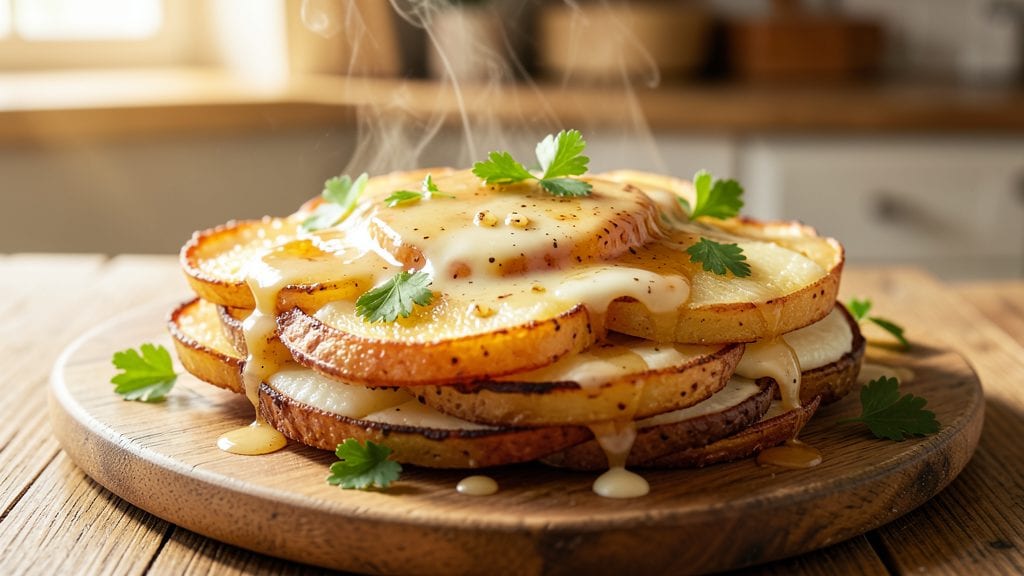
This vinegar-kissed scalloped potatoes recipe transforms humble spuds into golden, crispy crowns layered over velvety cream—perfect for elevating any dinner.
The secret lies in thinly slicing potatoes and cooking them in butter until they develop that signature caramelized crust, then finishing with a tangy vinegar splash that cuts through the richness. I developed this method after years of testing variations, and it consistently delivers restaurant-quality results at home.
The process is simpler than it sounds: potatoes are sliced uniformly, layered in a buttery pan, and baked until tender yet crispy. A splash of vinegar at the end adds brightness that balances the richness, while herbs or garlic can be incorporated for extra depth.
This dish takes about 45 minutes from start to finish, making it ideal for weeknight meals or holiday gatherings where sides need to shine.
What you'll end up with is a dish that's equal parts comforting and elegant—crispy golden potatoes on top, creamy layers beneath, and that perfect balance of tangy and buttery flavors.
The texture contrast alone makes this worth trying, and it pairs beautifully with steak, fish, or even as a vegetarian main. The best part? Leftovers reheat perfectly, making it a great make-ahead option.
For extra flavor, consider adding a sprinkle of fresh parsley or a pinch of smoked paprika before serving. This recipe scales easily, so you can make it for a crowd or just a cozy family dinner.
Let's get started on creating these crisp crowns that will have everyone asking for seconds.
Ingredients for scallopped potatoes
Buttery, crispy, tangy—these 12 ingredients make magic happen in your oven.
| Ingredient | Amount | Notes |
|---|---|---|
| Russet Potatoes 🥔 | 3 lb | Uniformly thinly sliced (about 1/8-inch) |
| Unsalted Butter 🧈 | ¾ cup | Cold, cut into small cubes |
| Heavy Cream 🥛 | 1 ½ cups | Full-fat for best texture |
| White Wine Vinegar 🍶 | ¼ cup | Balsamic works too |
| Garlic Cloves 🧄 | 4 cloves | Minced, for depth |
| Fresh Parsley 🌿 | ¼ cup | Chopped, for garnish |
| Smoked Paprika 🌶️ | 1 tsp | For subtle smokiness |
| Salt 🧂 | 1 ½ tsp | Kosher or sea salt |
| Black Pepper 🌶️ | ½ tsp | Freshly ground |
| All-Purpose Flour 🌾 | 2 tbsp | For thickening cream |
| Gruyère Cheese 🧀 | 1 cup | Shredded, optional richness |
| Parmesan Cheese 🧀 | ½ cup | Freshly grated |
The potatoes are everything here. Russets are your best bet—they slice thinly and hold their shape. Costco or Trader Joe's sell pre-sliced for convenience, but slicing them yourself (about 1/8-inch thick) gives that perfect texture. If you're using pre-sliced, soak them in cold water for 10 minutes to remove excess starch. The Gruyère adds insane richness, but sharp cheddar works too if you're avoiding dairy. Just make sure it's freshly grated—pre-shredded gets clumpy.
No white wine vinegar? Apple cider vinegar or lemon juice will work in a pinch, but the tanginess is key to cutting through the butter. Short on garlic? Garlic powder at half the amount gets you close. The flour is just for thickening, so cornstarch works too—it's gluten-free and does the job just as well. For extra flavor, toss the sliced potatoes in a pinch of smoked paprika before layering. It’s a game-changer, trust me. And if you’re feeling fancy, swap the Gruyère for fontina or emmental—both melt beautifully.
This dish reheats like a dream—just cover it with foil and warm in the oven for 10-15 minutes. Leftovers keep for 4 days in the fridge, but honestly, they’ll be gone before then. For make-ahead prep, assemble the dish up to 24 hours ahead and refrigerate uncovered—it’ll develop even more crispy edges. Freezing isn’t recommended, though, because the texture changes. Garnish with fresh parsley right before serving—it adds a pop of color and freshness that makes the dish feel restaurant-worthy.
Why You'll Love This Recipe
- One-Pan Magic: I swear by this for nights when I’d rather scroll than scrub—just slice, roast, and toss. The potatoes caramelize right on the tray while the garlic and vinegar work their magic in the pan.
- Creamy-Garlicky Dream: That buttery, tangy cream sauce clinging to the edges? It’s the kind of flavor that makes you pause mid-bite. The vinegar cuts through the richness, and the garlic? Oh, it’s there—in the best way.
- Weeknight to Dinner Party: Same recipe, totally different vibes. Serve it alongside grilled steak for a fancy feel, or pile it on toast for a lazy Sunday breakfast. (Yes, even on a Tuesday night.)
- Budget Stretch: Russets are cheap, butter makes it feel special, and leftovers reheat like a dream. I’ve fed four people for under $10 with this—plus, the sauce thickens beautifully for seconds. Win.
Step-by-step instructions for vinegar-kissed scalloped potatoes
Here's how to transform simple russet potatoes into golden, vinegar-brushed layers with a creamy, velvety finish.
Prep the Potatoes for Perfect Layers
Start by peeling the 3 lb russet potatoes and slicing them uniformly into 1/8-inch thick slices. I use a mandoline for precision, but a sharp knife works too if you take your time. The thinner the slices, the quicker they'll cook and the more uniform your layers will be. As you slice, toss each layer into a bowl of cold water to prevent browning—this keeps them bright and ready for assembly.
Drain the potatoes well before using, but don't rinse them. The water helps preserve their freshness, but any residual moisture will steam the potatoes instead of crisping them. Arrange the first layer of potatoes in an even, single layer on the bottom of a 9x13-inch baking dish. You want them to touch but not overlap—this creates a solid foundation for the creamy layers to come.
Build the Creamy Vinegar Base
In a medium saucepan, melt the 0.75 cup unsalted butter over medium heat until fully liquid. Add the 1.5 cups heavy cream and bring to a gentle simmer. Stir in the 2 tbsp all-purpose flour, the 1 tsp smoked paprika, 1 tsp of the 1.5 tsp salt, and the 0.5 tsp black pepper. Cook for 3-4 minutes until the mixture thickens enough to coat the back of a spoon—this is your creamy binder that will hold everything together.
Here's where the magic happens: remove the pan from heat and whisk in the 0.25 cup white wine vinegar. The acidity will brighten the flavors and create that signature tangy contrast. Taste and adjust seasoning with the remaining 0.5 tsp salt if needed. The mixture should be thick but pourable—like a luxurious béchamel. Pour half of this mixture evenly over the first layer of potatoes, spreading it to the edges of the dish.
Layer and Repeat for Maximum Creaminess
Add another layer of drained potatoes, this time overlapping the slices slightly at the edges for a more rustic look. Sprinkle half of the 1 cup gruyère cheese and half of the 0.5 cup parmesan cheese evenly over the potatoes. This cheese adds richness and helps create that golden crust on top. Pour the remaining cream mixture over this second layer, again spreading it evenly to the edges.
Finish with the final layer of potatoes, overlapping them just like the second layer. Sprinkle the remaining gruyère and parmesan cheese evenly over the top, pressing down gently to help them melt into the creamy layers. The cheese should look like a snowy blanket over your potatoes—this is what creates that irresistible golden crust when baked.
Bake to Golden Perfection
Cover the baking dish tightly with aluminum foil and bake at 375°F for 45 minutes. This initial covered baking time allows the potatoes to soften and absorb the creamy mixture without drying out. After 45 minutes, remove the foil and increase the oven temperature to 400°F. Bake uncovered for another 15-20 minutes until the top is deeply golden brown and the edges are crisp.
Watch closely during the final minutes—you want that top to turn a beautiful golden brown, almost caramelized. The potatoes should be tender when pierced with a fork, with no resistance at all. If the top isn't golden enough after 20 minutes, broil for 1-2 minutes on high, keeping a close eye to prevent burning.
Rest and Garnish for the Ultimate Presentation
Remove the dish from the oven and let it rest for 10 minutes before serving. This resting period allows the creamy layers to set slightly and makes it easier to slice through the potatoes cleanly. While it rests, chop the 0.25 cup fresh parsley and the 4 cloves garlic cloves (though the garlic is already minced for the cream). Sprinkle the parsley over the top just before serving for a pop of fresh color and brightness.
Slice into perfect squares and serve immediately. The contrast of the crisp golden edges with the creamy, vinegar-kissed interior is what makes these potatoes truly special. Each bite delivers that perfect combination of textures and flavors—creamy, tangy, and just a touch of smoky warmth from the paprika. Trust me, your taste buds will thank you!
Pro Tips For Making Scallopped Potatoes
- CUT THIN, CUT EVEN: Scallopped potatoes need slices about ⅛-inch thick—any thicker and they’ll turn to mush before browning. Use a sharp knife and keep your hand steady; I learned this the hard way when my uneven slices ended up in a sad, gluey pile. A mandoline helps if you’re impatient (or just tired of slicing).
- SALT THE POTATOES FIRST: Toss the sliced Russets with salt and let them sit for 10 minutes before cooking. This draws out excess moisture so they crisp up instead of steaming in their own water. Trust me, your future self will notice the difference—especially when the pan finally gets that golden, crackling crust.
- LOW AND SLOW TO GOLD: Start scallops in a cold pan with butter and let them cook on medium-low until the butter foams, then crank the heat to medium-high. Rushing this step means uneven cooking—some bits burn, others stay raw. Patience here guarantees that perfect balance of crispy edges and tender centers.
- DEGLAZE WITH VINEGAR LAST: Wait until the potatoes are nearly done before adding white wine vinegar—it’s not just for flavor, it’s for cutting through the butter residue. Pour it in when the pan is hot, scrape up those browned bits, and let it reduce slightly. This upgrades the sauce from bland to bright and tangy without overpowering the potatoes. (Yes, even if you’re in a hurry.)
Troubleshooting your scallopped potatoes
Potatoes Too Soft
If your scalloped potatoes turn out mushy instead of crispy, you likely overcooked them or didn't slice them thin enough. I recommend slicing potatoes to exactly 1/8-inch thick using a mandoline for consistency.
Also, avoid stacking layers too high—3 layers max in a 9x13-inch dish prevents steam buildup that softens the potatoes. For extra insurance, bake at 375°F for 40 minutes covered, then finish uncovered at 400°F for 10-15 minutes to crisp the top. 🌡️
Sauce Too Thin
A runny sauce usually means the flour wasn't cooked long enough or too much liquid was added. Always cook the flour-butter mixture for 3-4 minutes until it thickens to coat the back of a spoon.
If your sauce still separates, whisk in 1 tsp cornstarch mixed with 1 tbsp cold water and simmer for 2 more minutes. For future batches, reduce the heavy cream by 2 tbsp if you prefer a thicker consistency. 🥄
Uneven Cooking
Uneven doneness happens when the dish isn't preheated or the oven temperature fluctuates. Always preheat your oven to 375°F for 15 minutes before baking. Place the dish on the middle rack to ensure even heat distribution.
If your oven runs hot, reduce the temperature by 25°F and check for doneness 5 minutes early. A thermometer inserted into the center should read 205°F—this is the perfect internal temperature for creamy yet crispy potatoes. ⚡
Top Not Crispy
The golden crust is what makes scalloped potatoes shine, so don't skip the final uncovered baking step. After 45 minutes covered, increase the heat to 400°F and bake 15-20 minutes uncovered.
For extra crispiness, sprinkle 1 tbsp breadcrumbs or grated parmesan on the top layer before the final bake. If your oven struggles with browning, broil for 1-2 minutes on high at the very end—just watch closely to avoid burning. 🔥
Vinegar Overpowering
Too much vinegar can make the dish taste sharp rather than tangy. Start with 2 tbsp and adjust to taste—remember, you can always add more later.
If the flavor is too strong, balance it with a pinch of sugar (about 1/4 tsp) or a splash of heavy cream to mellow the acidity. For a milder tang, swap white wine vinegar for apple cider vinegar, which has a sweeter profile. 🍶
Cheese Not Melting
Cheese clumping or not melting properly usually means it wasn't distributed evenly or the dish wasn't hot enough. Sprinkle cheese lightly over each layer and press down gently with a spatula to help it melt into the creamy sauce.
If your cheese still doesn't melt, increase the oven temperature to 425°F for the final 10 minutes of baking. For extra insurance, use shredded cheese (not pre-shredded) and avoid overcrowding the dish. 🧀
Nutrition facts
Frequently asked questions
Can I use sweet potatoes instead of russets?
Sweet potatoes work differently—they're denser and sweeter, so they won't get as crispy. For best results, stick with russets or Yukon Golds, which have the right starch-to-moisture balance for that signature crispy texture. If you're set on sweet potatoes, try baking them whole first to soften, then slice thinly and pan-fry for crispiness.
How do I make this dish ahead of time?
Assemble the dish up to 24 hours ahead and refrigerate uncovered—this helps develop crispier edges. When ready to bake, cover with foil and cook at 375°F for 50-55 minutes (covered), then 15 minutes uncovered at 400°F. For leftovers, reheat covered at 350°F for 15-20 minutes to restore creaminess. Never freeze this dish—the texture suffers from ice crystals.
Can I make this vegetarian or vegan?
For vegetarian, keep the cheese but swap butter for olive oil and use heavy cream. For vegan, replace butter with vegan butter, heavy cream with coconut cream, and cheese with vegan alternatives (like cashew-based gruyère). The vinegar and herbs keep the tangy brightness intact—just adjust salt to taste since vegan cheeses are often saltier.
Why do my layers collapse when baking?
Collapsing usually happens from too much liquid or uneven potato slices. Use 1/8-inch thick slices (mandoline helps) and limit layers to 3 max. Also, ensure your cream mixture is thick enough to coat the back of a spoon before pouring. If it's still too runny, simmer longer or add 1 tsp cornstarch mixed with 1 tbsp water to stabilize it.
What's the best way to reheat leftovers?
Cover the dish with foil and warm at 350°F for 15-20 minutes—this prevents drying. For extra crispiness, broil for 2-3 minutes at the end. Avoid microwaving; it turns the potatoes soggy. Leftovers keep for 4 days in the fridge, but the texture is best within 2 days.