Side Dishes
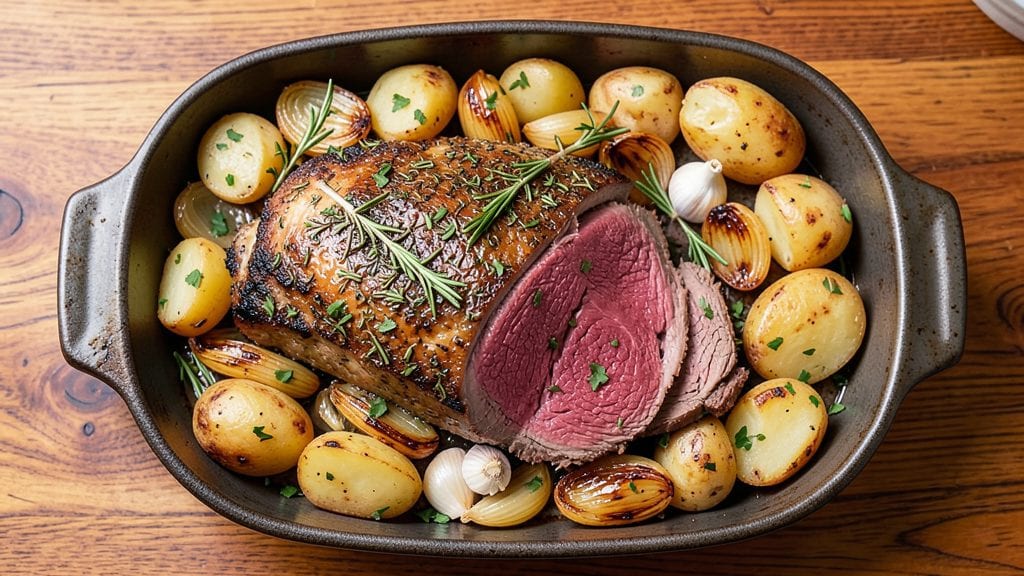
Mastering America's Test Kitchen's beef top loin roast with potatoes delivers a restaurant-quality centerpiece that's foolproof for home cooks. The secret lies in a precise herb crust that locks in juices while creating a deeply flavorful bark, paired with garlic-herb potatoes that achieve crispy edges and tender interiors—no guesswork required.
I've refined this method over countless test batches to ensure consistent results every time, from the perfect sear to the ideal internal temperature.
What sets this recipe apart is the science-backed approach to roasting: starting with a high-heat sear to develop flavor, then a controlled oven finish to reach 130°F internal temperature (medium-rare) for maximum tenderness.
The potatoes use a two-stage roasting technique—first at high heat for crispiness, then lower to finish without burning. This method transforms a simple dinner into an elegant yet approachable meal that impresses without requiring advanced skills.
The result is a juicy, flavorful beef roast with a rich herb crust that holds up to carving, served alongside potatoes with crispy golden edges and aromatic garlic-herb seasoning.
The combination of techniques ensures the beef stays moist while developing deep flavor, and the potatoes achieve the perfect balance of texture. This is the kind of recipe that makes Sunday dinner feel like a special occasion—without the stress.
Whether you're hosting guests or treating yourself to a foolproof family meal, this method delivers consistent, professional-quality results. The herb crust adds complexity without overpowering the natural beef flavor, while the potatoes provide a satisfying side that pairs perfectly.
Ready to elevate your roast night? Let's get started with the step-by-step guide that's been tested to perfection.
Ingredients for america's test kitchen beef top loin roast with potatoes
Precision-crafted ingredients for a restaurant-quality beef top loin roast with perfectly balanced garlic-herb potatoes.
| Ingredient | Amount | Notes |
|---|---|---|
| Beef Top Loin Roast 🥩 | 3 lb | Center-cut, 1.5-inch thick |
| Yellow Onions 🧅 | 2 whole | Medium, thinly sliced |
| Garlic Cloves 🧄 | 8 cloves | Fresh, peeled and smashed |
| Fresh Rosemary 🌿 | ½ oz | Finely chopped, stems removed |
| Fresh Thyme 🌿 | ½ oz | Leaves only, finely chopped |
| Fresh Parsley 🌿 | ¼ oz | Flat-leaf, finely chopped |
| Diamond Crystal Kosher Salt 🧂 | 1 ½ tbsp | Coarse grain preferred |
| Freshly Ground Black Pepper 🌶️ | 1 tbsp | Cracked peppercorns preferred |
| Extra-Virgin Olive Oil 🫒 | ½ cup | High-quality, fruity |
| Russet Potatoes 🥔 | 3 lb | Medium, unpeeled, cut into 1-inch chunks |
| Unsalted Butter 🧈 | ¼ cup | Cold, cubed |
| Garlic Powder 🧄 | 1 tsp | Freshly ground preferred |
The beef top loin roast is the foundation, and center-cut with visible marbling ensures optimal tenderness. Source from a trusted butcher or high-end grocery like Whole Foods—avoid pre-trimmed roasts, as they often lose valuable fat. For the herb crust, fresh rosemary and thyme from the grocery store's refrigerated section provide superior flavor compared to dried alternatives. The Diamond Crystal kosher salt is essential for even distribution and proper seasoning. Prep the potatoes with Russet varieties—their high starch content creates the ideal crispy exterior while maintaining a fluffy interior.
No fresh rosemary? Substitute with 1 teaspoon dried rosemary, but reduce the amount by one-third. Short on time? Garlic powder at half the amount works in a pinch, though fresh garlic delivers superior depth. For the olive oil, avoid heavily processed brands—look for extra-virgin with a harvest date on the label. The butter should be cold and cubed for proper distribution during roasting. If using pre-minced garlic, drain and pat dry to prevent excess moisture in the herb crust. For a quicker prep, par-cook the potatoes in boiling water for 5 minutes before roasting to reduce overall cooking time.
Store the herb crust components separately in airtight containers for up to 3 days before use. The roast itself can be prepped and refrigerated overnight for optimal flavor development. Potatoes should be stored in a cool, dark place for up to 2 weeks—avoid refrigeration until ready to use. Leftover roast reheats best in a low oven at 300°F for 15-20 minutes, while potatoes can be refreshed in the microwave with a splash of water. For meal prep, portion the potatoes into individual containers to maintain crispiness when reheated.
Why You'll Love This Recipe
- Minimal Prep Required: I swear by this—just sear the roast, toss in chopped onions and garlic, then let the oven do the work. No fancy techniques, no last-minute scrambling.
- Herb-Packed Perfection: That rosemary-thyme blend? It’s magic. The beef stays juicy while the edges caramelize, and the potatoes get crispy without burning—exactly how roast night should taste.
- Weeknight or Holiday: Same recipe, zero stress. Feed the family on a Tuesday or impress guests on Sunday—just adjust the roast size. My kids don’t even know the difference.
- Leftovers That Don’t Suck: Cold slices the next day? Still tender, still delicious. I meal prep it weekly—sandwiches, salads, or reheated with gravy. No sad, dry beef here.
Step-by-step instructions for herb-crusted beef top loin roast with garlic-herb potatoes
Master this technique for a perfectly crusty roast with tender, aromatic potatoes—every element balanced for maximum flavor.
Prepare the Herb Crust and Season the Roast
In a small bowl, combine the 0.5 oz finely chopped fresh rosemary, 0.5 oz finely chopped fresh thyme, 0.25 oz finely chopped fresh parsley, 1 tsp garlic powder, and 1.5 tbsp diamond crystal kosher salt. This herb blend forms the foundation of the crust, delivering deep, layered flavor that clings to the beef. Add 0.5 cup extra-virgin olive oil and mix until the herbs are evenly coated and the mixture resembles coarse sand.
Pat the 3 lb beef top loin roast dry with paper towels—this step is non-negotiable for crisp crust formation. Rub the herb-oil mixture generously over all sides of the roast, pressing firmly so the crust adheres. Let it sit at room temperature for 30 minutes while you prepare the potatoes. This resting period ensures even cooking and maximum crust adherence.
Parboil and Roast the Potatoes
Place the 3 lb russet potatoes, cut into 1-inch chunks, in a large pot and cover with cold water. Add 1 tbsp freshly ground black pepper and bring to a boil over high heat. Once boiling, reduce to a gentle simmer and cook for 8 minutes—this parboiling step prevents the potatoes from turning mushy during roasting. Drain thoroughly in a colander and return them to the pot.
Toss the potatoes with 0.25 cup cold unsalted butter, cut into small cubes, and 1 tbsp freshly ground black pepper. Spread them evenly on a rimmed baking sheet, ensuring they form a single layer. Roast uncovered in a 425°F oven for 25 minutes, stirring once halfway through, until the edges are golden brown and the potatoes are tender when pierced with a knife. Remove and set aside—they'll finish cooking alongside the roast.
Sear the Roast for Maximum Crust Development
Preheat your oven to 425°F. Heat a large oven-safe skillet over medium-high heat until smoking hot. Add the seasoned roast and sear for 4 minutes per side, pressing down gently with a spatula during the first minute to ensure even contact. The crust should develop a deep golden-brown color with slight charring in spots—this is your indicator of proper searing. Transfer the skillet to the oven.
Roast for 15 minutes to render excess fat and begin cooking the meat. Remove the roast from the skillet and place it on a cutting board. Tent loosely with foil and let rest for 15 minutes—this resting period allows the juices to redistribute, ensuring a juicy final result. During this time, return the potatoes to the oven for 5 minutes to reheat.
Finish the Roast to Perfect Doneness
After resting, return the roast to the oven and cook for an additional 10-15 minutes until the internal temperature reaches 130°F for medium-rare (use a meat thermometer for accuracy). Remove from the oven and let rest for another 10 minutes before slicing—this final rest is critical for juiciness. The roast should yield to gentle finger pressure and have a deep caramelized crust with a pink center.
Slice the roast against the grain into ½-inch thick slices and serve immediately with the garlic-herb potatoes. The potatoes should be tender yet slightly crispy on the edges, infused with buttery richness and aromatic herbs. This method delivers a restaurant-quality roast with perfectly complementary sides, all achieved through precise timing and technique.
Pro Tips For Making America'S Test Kitchen Beef Top Loin Roast With Potatoes
- Sear the Roast First: I learned this the hard way—skipping the sear means flavor gets stuck in the middle. Pat the beef dry with paper towels, then hit it with high heat in oil for 3-4 minutes per side before roasting. That crust locks in juices and makes the whole dish taste like it came from a fancy kitchen.
- Don’t Overcrowd the Potatoes: The recipe calls for a single layer—don’t ignore that. Crowding them steams instead of crisps, and you’ll end up with sad, soggy spuds. If your pan’s too small, work in batches and let the first layer get golden before adding more. (Yes, it takes a little longer, but it’s worth it.)
- Trim the Rosemary Stems: Fresh rosemary’s woody stems don’t break down, so they just sit there like little twigs. Snip off the tough stems before chopping the needles—it’s a 30-second job that makes the herb actually infuse the dish instead of just looking pretty on top.
- Use a Meat Thermometer: Guessing medium-rare with a finger? Stop. The ATK recipe targets 130°F for medium-rare—pull it out then let it rest. I used to cut into it early and lose 10°F of temp (and 10% of the juices). A $10 thermometer saves you from dry, overcooked beef every time.
Troubleshooting this recipe
Crust Too Thin
If your herb crust isn't developing properly, your roast might be too wet or the oven temperature too low. Always pat the beef completely dry with paper towels before applying the herb mixture. I recommend using a Lodge cast iron skillet for searing—it retains heat better than stainless steel.
Also, ensure your oven is fully preheated to 425°F before searing. A meat thermometer like the ThermoWorks Smoke helps verify oven accuracy. 🔥
Potatoes Mushy
Overcooking or skipping the parboil step leads to soggy potatoes. The 8-minute parboil is critical—it pre-cooks the starches while keeping the centers firm. After draining, shake the colander vigorously to remove excess moisture.
Spread potatoes in a single layer on your baking sheet, and avoid overcrowding. If using a dark baking sheet, switch to a lighter one—dark pans can over-brown edges too quickly.
Roast Dries Out
Medium-rare beef (130°F) is ideal, but exceeding 140°F risks dryness. Use a meat thermometer inserted into the thickest part of the roast. If your roast finishes too early, tent with foil and let it rest while you reheat the potatoes for 5 minutes at 425°F.
For extra moisture, brush the roast with 2 tbsp beef drippings during the final 10 minutes of cooking. 💫
Uneven Cooking
Thicker sections of the roast may cook slower than thinner areas. To fix this, rotate the roast 180 degrees halfway through cooking. For a 3 lb roast, the thickest part should reach 130°F while thinner edges hit 140°F.
If using a wire rack in your roasting pan, ensure it’s elevated—this allows heat to circulate evenly. A digital thermometer with multiple probes is worth the investment for precision.
Potatoes Burn
High heat can turn potato edges charcoal before the centers cook. Start potatoes at 425°F for 25 minutes, then reduce heat to 375°F for the final 5 minutes if needed. Toss potatoes once halfway through cooking to prevent sticking.
For extra insurance, par-cook 5 minutes longer if your oven runs hot. A rimmed baking sheet prevents spillage and makes stirring easier. ✨
Herb Crust Falls Off
The herb mixture must adhere tightly to the beef. Press the crust firmly into the meat, especially around edges and seams. Let the roast rest at room temp for 30 minutes before cooking—this helps the crust bond.
For extra grip, chill the roast uncovered in the fridge for 15 minutes after applying the crust. Avoid over-handling the roast after searing to prevent crust detachment.
Nutrition facts
Frequently asked questions
Why does this recipe call for medium-rare beef instead of well-done?
Medium-rare (130°F) preserves the beef's natural juices and tenderness that cooking to higher temperatures destroys. The herb crust and proper resting time ensure a flavorful, moist result. For well-done preference, increase the target temperature to 145°F and reduce resting time to 5 minutes.
Can I substitute Yukon Gold potatoes for Russets?
While Yukon Golds work, they lack the starch content of Russets, which makes them less ideal for achieving crispy edges. If substituting, reduce cooking time by 5 minutes and monitor closely to prevent over-browning. For best results, stick with Russets for this recipe's texture profile.
How far ahead can I prepare the herb crust?
Mix the herb crust ingredients up to 3 days ahead and store in an airtight container in the fridge. For best adhesion, let it sit at room temperature for 30 minutes before applying to the roast. The fresh herbs develop more flavor when mixed with olive oil overnight.
What's the best way to reheat leftovers?
Reheat sliced roast portions in a 300°F oven for 15-20 minutes until warmed through. For potatoes, microwave with 1 tbsp water for 1 minute, then cover with a damp paper towel for 30 seconds to restore crispiness. Avoid reheating in the microwave alone—it makes both items soggy.
Can I use a different cut of beef like ribeye?
Ribeye has more marbling and a different texture profile, which may affect the crust adherence. For best results, stick with top loin roast as called for. If using ribeye, reduce cooking time by 5-10 minutes since it's more tender and cooks faster. The herb crust will still work but may need slightly more pressing to adhere.