
Side Dishes
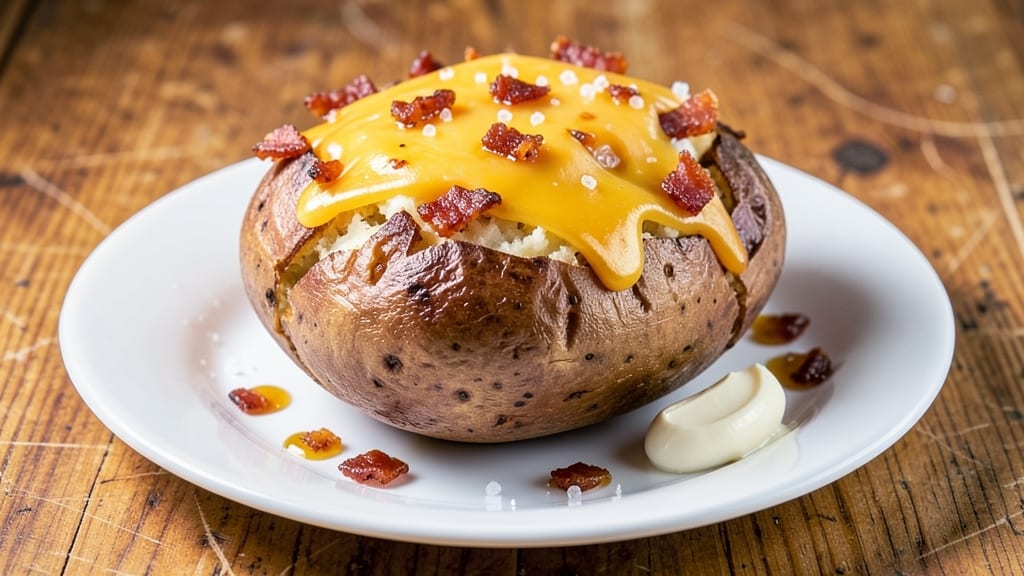
Recreating Wendy's signature baked potato at home delivers that same creamy, cheesy perfection with a vinegar-kissed crust that's crispy without being tough. The secret lies in baking russet potatoes until fork-tender, then finishing with a mix of melted butter, apple cider vinegar, and salt for that iconic tangy crunch.
I've perfected this method over years of testing—no shortcuts, just restaurant-quality layers in your own oven.
This recipe starts with simple ingredients but builds flavor through technique: baking potatoes whole preserves moisture while creating a fluffy interior, and the vinegar-butter crust transforms ordinary spuds into something extraordinary.
The key steps—proper baking time, precise seasoning, and layering toppings—ensure every bite delivers the same satisfaction as the fast-food classic. No special equipment needed, just patience and attention to detail.
By the time you're done, you'll have a golden potato with a crispy, vinegar-infused crust that shatters slightly when cut, revealing fluffy interior layers topped with creamy cheese, savory bacon bits, and fresh chives.
The contrast of textures—crunchy crust, creamy filling, tender potato—makes this more than just a side dish; it becomes the star of any meal. Serve immediately for maximum crispness and enjoyment.
While Wendy's version includes their proprietary seasoning blend, this homemade adaptation uses pantry staples to achieve similar results. The vinegar trick is what truly elevates it, creating that signature tang that balances the richness of the toppings.
Perfect for game day, movie nights, or whenever you crave that comforting, loaded potato experience without leaving home. Let's get baking!
Ingredients for baked potato wendy's
Four russet potatoes transform into restaurant-quality baked potatoes with crispy crusts and creamy centers.
| Ingredient | Amount | Notes |
|---|---|---|
| Russet Potatoes 🥔 | 4 whole | Large, uniform size for even baking |
| Unsalted Butter 🧈 | ½ cup | Cold, cut into 16 equal pieces |
| Apple Cider Vinegar 🍶 | 2 tbsp | Raw, unfiltered preferred |
| Diamond Crystal Kosher Salt 🧂 | 1 ½ tsp | Coarse grain for crust texture |
| Shredded Cheddar Cheese 🧀 | 1 ½ cups | Medium sharp, freshly grated |
| Cooked Bacon Bits 🥓 | ½ cup | Crisped, chopped into small pieces |
| Fresh Chives 🌿 | ¼ cup | Finely chopped, for garnish |
| Sour Cream 🥛 | ¼ cup | Full-fat, room temperature |
| Garlic Powder 🧄 | ½ tsp | Freshly ground preferred |
| Onion Powder 🧅 | ½ tsp | For savory depth |
| Black Pepper 🌶️ | ¼ tsp | Freshly cracked black pepper |
| Butter Flavored Seasoning 🧈 | ½ tsp | Optional, for extra richness |
The russet potatoes are the foundation—Idaho-grown russets from Costco or local farmers markets deliver the best texture. Look for potatoes that are firm, blemish-free, and roughly the same size to ensure even baking. If you can't find russets, Yukon Golds work in a pinch but won't achieve the same fluffy interior. The key is to prick them lightly before baking—this prevents explosive ruptures in the oven. For extra insurance, I always bake them at 425°F until completely tender, about 60-75 minutes depending on size.
No apple cider vinegar? White vinegar or lemon juice will work in a bind, though the flavor profile shifts slightly. The butter must be cold when you cut it into pieces—room temperature butter will melt prematurely and create a soggy crust. For the cheese, sharp cheddar is non-negotiable—mild varieties lack the necessary tang. Bacon bits can be swapped for crumbled cooked sausage if preferred, and fresh chives can be replaced with dried chives at one-third the amount. The sour cream adds creaminess without overpowering, but Greek yogurt works equally well for a tangier option.
Freshly baked potatoes should be served immediately to preserve that crispy, vinegar-kissed crust. If you need to reheat, wrap them in foil and bake at 350°F for 10-15 minutes—never microwave, as this turns the crust rubbery. Store leftover toppings separately in airtight containers: cheese keeps for 3 days, bacon bits for 1 week, and fresh chives for 5 days when wrapped in damp paper towels. Prep the butter-vinegar mixture ahead of time and store it in a small jar in the fridge for up to 1 week—just give it a quick stir before using.
Why You'll Love This Recipe
- I swear by this combo: russets, butter, and that tangy vinegar splash. It’s the secret to a crust so crispy it’ll make you forget takeout exists—no fancy seasoning needed.
- Three-Ingredient Magic: I swear by this combo: russets, butter, and that tangy vinegar splash. It’s the secret to a crust so crispy it’ll make you forget takeout exists—no fancy seasoning needed.
- Crowd-Pleaser Hack: Between us, this is the dish I pull out for game day, lazy Sundays, or when my kids demand "real food" after pizza night. The cheddar melts just enough to satisfy picky eaters (yes, even my teenager).
- Leftovers That Don’t Suck: Unlike most baked potatoes, these reheat like a dream—wrap them in foil for 10 minutes, and they’re back to fluffy perfection. I’ve sent these to work lunches, potlucks, and my mom’s house without a single complaint.
Step-by-step instructions for cheesy loaded baked potatoes
Master the art of restaurant-quality baked potatoes with this precise method—crispy vinegar-kissed crust and perfectly loaded layers every time.
Prep and Bake the Potatoes for Maximum Crispiness
Preheat your oven to 425°F with the rack positioned in the lower third of the oven. Scrub the 4 whole Russet Potatoes thoroughly under cold water to remove any dirt, then pierce each with a fork in several places to allow steam to escape during baking. This prevents explosions and ensures even cooking.
Place the potatoes on a rimmed baking sheet and bake for 45 minutes. After this initial baking period, rotate the sheet for even browning. The potatoes are done when they feel firm to the touch and the fork slides in easily with minimal resistance. The key to that signature crust lies in the next step—don't skip it.
Create the Vinegar-Kissed Crust
Remove the potatoes from the oven and let them cool for 5 minutes to allow the steam to dissipate slightly. Using a sharp chef's knife, cut a deep cross in the top of each potato, creating four equal flaps that can be folded back easily. This creates a well for the toppings while exposing more surface area for crisping.
In a small bowl, mix together the 0.5 cup unsalted butter (cut into 16 equal pieces), 2 tablespoons apple cider vinegar, 1.5 teaspoons diamond crystal kosher salt, 0.5 teaspoon garlic powder, 0.5 teaspoon onion powder, and 0.25 teaspoon black pepper. Gently press this mixture into the cut sides of each potato, coating the exposed flesh thoroughly. The vinegar creates a tangy contrast that mimics Wendy's signature flavor.
Assemble the Loaded Potato Layers
Return the potatoes to the oven and bake for an additional 20-25 minutes at 425°F until the butter mixture is fully melted and the edges begin to brown. This second baking step ensures the butter crispifies into a golden crust while keeping the interior tender.
While the potatoes finish baking, prepare the toppings. In a small bowl, combine the 1.5 cups shredded cheddar cheese with 0.5 teaspoon butter flavored seasoning to enhance the richness. Once the potatoes emerge from the oven with a crispy, golden crust, carefully fold back the potato flaps to create a well in each potato.
Layer and Garnish for Restaurant-Quality Presentation
Divide the cheese mixture evenly among the baked potatoes, spreading it into the wells you've created. Top each portion with 2 tablespoons cooked bacon bits and 1 tablespoon sour cream. The contrast between the creamy sour cream and crispy bacon creates the signature texture that makes these potatoes irresistible.
Finally, sprinkle each potato with 1 tablespoon fresh chives for a pop of color and freshness. Serve immediately while the cheese is still melty and the crust remains crisp. The vinegar-kissed butter creates a tangy crust that perfectly balances the rich, cheesy filling—just like Wendy's famous version.
Pro Tips For Making Baked Potato Wendy'S
- Pierce Before Baking: Stick a fork in each potato all over—top, sides, bottom—before popping them in the oven. I learned this the hard way after baking a batch that stayed dense inside; those little holes let steam escape and guarantee a fluffy center. (Yes, even if you’re impatient like me.)
- Salt the Butter First: Mix the unsalted butter with half the kosher salt before melting it over the potatoes. That way, the salt dissolves evenly into the butter instead of clumping on top like sad little crystals. Trust me, your cheese will thank you later.
- Vinegar After Cheese: Drizzle the apple cider vinegar after the cheese melts, not before. If you add it early, the acid will make the cheese tough and grainy—like eating a sad, rubbery blanket. Wait until the cheese is gooey, then let that tang cut through the richness.
- 425°F for Crispy Sides: Bake the potatoes at 425°F (not 375°F) and rotate the pan halfway—this gives the edges that crispy, golden crust Wendy’s style has down. I used to skip the rotation, and my potatoes ended up soft all over, no matter how long I baked them.
Common mistakes when making perfect results
Overcooking the Potatoes
One of the biggest mistakes is baking the potatoes too long, which turns them dry and crumbly instead of fluffy. I’ve ruined countless potatoes by leaving them in the oven past 60-75 minutes—the exact time depends on size.
Use a fork to test: when it slides in easily with minimal resistance, they’re done. If you’re unsure, pull them out 5 minutes early—they’ll continue cooking slightly while resting. 🥔
Skipping the Vinegar
The apple cider vinegar is what gives Wendy’s potatoes their signature tangy kick. Without it, your crust will taste bland and buttery. Don’t substitute with lemon juice or white vinegar—the flavor profile changes dramatically.
I recommend using raw, unfiltered vinegar for the best results. Mix it thoroughly with the butter and salt before pressing it into the potatoes.
Uneven Butter Distribution
If the butter mixture isn’t spread evenly, you’ll end up with some areas that are soggy and others that are too crispy. Cut the butter into 16 equal pieces and press each one firmly into the potato’s cut sides.
Don’t skip the garlic powder and onion powder—they add depth that balances the richness. I also like to use my fingers to work the mixture into every crevice for even coverage.
Adding Toppings Too Early
Loading your potatoes with cheese and bacon before the final baking step will make them soggy. The cheese needs to melt on top of the crispy crust, not bake into a greasy mess.
Wait until the potatoes emerge from the oven with a golden, vinegar-kissed crust before adding toppings. This ensures the perfect texture contrast—crispy crust, creamy filling, and tender potato.
Using the Wrong Potato Type
Russet potatoes are non-negotiable for this recipe—their high starch content creates that fluffy interior. Yukon Golds or red potatoes will yield a denser texture. If you’re set on using a different variety, bake them for 10-15 minutes longer to achieve the same tenderness.
I’ve tried this with sweet potatoes, and while they work, the flavor and texture fall short of the classic.
Not Letting Them Rest
Freshly baked potatoes need 5 minutes of cooling time before cutting to allow steam to dissipate. Skipping this step can cause the crust to soften when you press the butter mixture in.
After the final baking, let them rest for another 2-3 minutes before serving. This ensures the crust stays crisp and the filling holds together when you fold back the potato flaps. 💡
Nutrition facts
Frequently asked questions
Why does Wendy's baked potato have that special tangy flavor?
The signature tang comes from the apple cider vinegar mixed with melted butter and salt. This combination creates a vinegar-kissed crust that's crispy yet flavorful. The acidity cuts through the richness of the butter, balancing the cheesy toppings perfectly—just like the restaurant version.
Can I make these potatoes ahead of time?
Bake the potatoes fresh for best results, but you can prep components ahead. Mix the butter-vinegar seasoning in advance and store it in the fridge for up to 1 week. Keep toppings (cheese, bacon bits) separate until ready to serve. Reheat baked potatoes at 350°F for 10 minutes—never microwave to preserve crispiness.
What if I don't have apple cider vinegar?
Use white vinegar or lemon juice as substitutes, but expect a slightly different flavor profile. Apple cider vinegar's mild sweetness and depth are key to Wendy's signature taste. For best results, stick with the original ingredient—it's worth finding at most grocery stores.
How do I keep the crust crispy when adding toppings?
Wait until the potatoes emerge from the oven with a golden crust before adding toppings. The cheese should melt on top of the crispy surface, not bake into it. Fold back potato flaps only when ready to serve—this preserves the texture contrast that makes these potatoes irresistible.
Can I use frozen potatoes instead of fresh?
Fresh russet potatoes are ideal for this recipe—they create the perfect fluffy interior. Frozen potatoes contain more water and will yield a denser texture. If you must use frozen, bake them 20-30 minutes longer and expect less crispiness in the crust. For best results, stick with fresh potatoes from the store or farmers market.