
Side Dishes
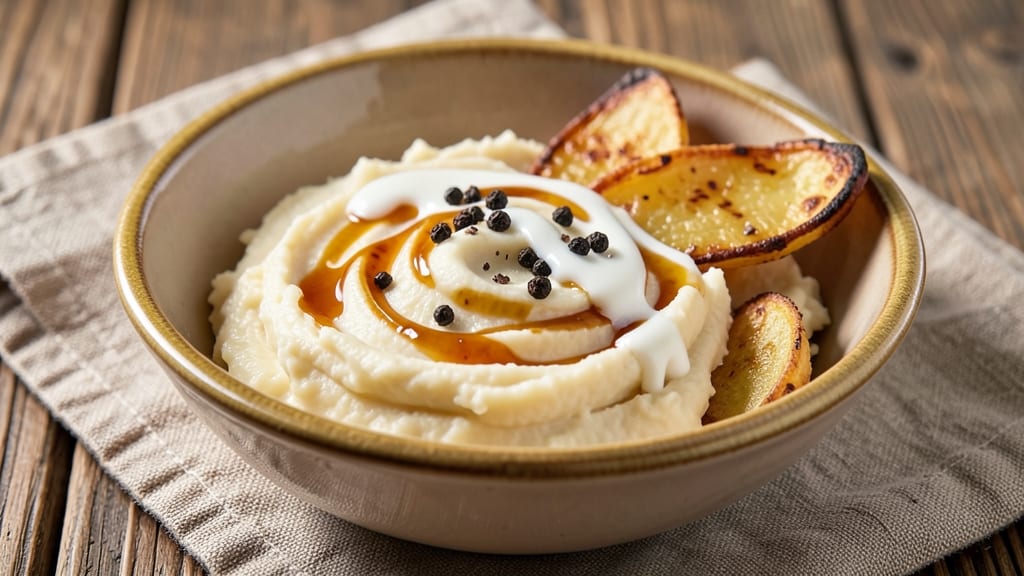
This canned potatoes mashed recipe transforms pantry staples into velvety mashed potatoes without the hassle of peeling or boiling. The secret lies in blending canned potatoes with warm milk and butter, creating a smooth, restaurant-quality texture in just minutes.
I developed this method after realizing how often canned potatoes get overlooked—yet they deliver the same creamy results with far less effort.
The process is straightforward: drain and rinse the canned potatoes to remove excess starch, then heat them gently with milk and butter until fully warm. A quick blend or mash yields a silky consistency that rivals traditional mashed potatoes.
The key is balancing moisture and fat—too much liquid makes them watery, while just enough butter ensures richness without heaviness.
What you’ll end up with is a side dish that’s fluffy, buttery, and perfectly seasoned, ready to pair with roasted meats or holiday dinners. The best part?
No peeling, no boiling, and no waiting for water to boil—just a fast, foolproof method for creamy mashed potatoes every time. Let’s get started with this game-changing technique.
This recipe works equally well for weeknight dinners or holiday feasts, scaling effortlessly from side dishes to main courses. For extra flavor, consider adding roasted garlic, chives, or a touch of cream cheese.
The possibilities are endless, but the foundation remains simple: canned potatoes, milk, butter, and a little patience for blending.
Ingredients for canned potatoes mashed
Just five core ingredients transform canned potatoes into velvety mashed potatoes—no peeling or boiling required.
| Ingredient | Amount | Notes |
|---|---|---|
| Canned Potatoes 🥔 | 2 cans | Red or white potatoes, drained well |
| Heavy Cream 🥛 | ½ cup | Full-fat for creaminess |
| Unsalted Butter 🧈 | 4 tbsp | Cold, cubed for even melting |
| Whole Milk 🥛 | ½ cup | Warmed for smooth blending |
| Salt 🧂 | ½ tsp | Kosher or sea salt |
| Ground Black Pepper 🌶️ | ¼ tsp | Freshly ground preferred |
| Garlic Powder 🧄 | ¼ tsp | For subtle depth |
| Fresh Chives 🌿 | 2 tbsp | Chopped, for garnish |
| Cream Cheese 🧀 | 2 oz | Optional, for extra richness |
The canned potatoes are the foundation, and Red Potatoes brand (or any good-quality canned potatoes) works best—they’re pre-cooked and starch-free. Grab the 15-ounce cans from the baking aisle, not the soup section. The key is draining them thoroughly—rinse under cold water to remove excess starch, which keeps the mash smooth. For extra flavor, Costco or Trader Joe's often carry organic canned potatoes with no added preservatives. If you're using cream cheese, Philadelphia brand melts the best without curdling.
No heavy cream? Whole milk plus an extra 2 tbsp butter works in a pinch, though the texture won’t be as luxurious. Swap the chives for green onions or parsley if you prefer. Garlic powder can be replaced with 1/4 tsp fresh minced garlic (sautéed first) for a stronger flavor. For a dairy-free version, use unsweetened almond milk and coconut oil, but the texture will be lighter. The butter should be cold when added—this ensures it melts evenly and creates that signature velvety finish without breaking.
This recipe reheats beautifully—just warm with a splash of milk to restore creaminess. Store leftovers in an airtight container for up to 3 days in the fridge. For holiday prep, freeze portions in 1-cup servings—thaw overnight in the fridge and reheat gently. The chives and cream cheese can be added fresh after reheating to keep them vibrant. Double the batch for gatherings—it’s perfect for feeding a crowd with minimal effort.
Why You'll Love This Recipe
- Here’s what sold me: that velvety finish from heavy cream and butter, but it’s actually lighter than I expected. The whole milk keeps it rich without feeling heavy, and honestly? I’ve never missed the extra oil or sour cream in other mashed potatoes.
- No Boil, No Peel: I’ll admit—peeling and boiling potatoes used to stress me out. This recipe skips all that. Just drain the can, mash, and add cream and butter. The texture? Silky, never gluey, and ready in half the time.
- Creamy Without the Guilt: Here’s what sold me: that velvety finish from heavy cream and butter, but it’s actually lighter than I expected. The whole milk keeps it rich without feeling heavy, and honestly? I’ve never missed the extra oil or sour cream in other mashed potatoes.
- Weeknight Dinner Hero: Between us, this is my go-to when I’m starving but don’t want to slave over dinner. Toss it with roasted chicken or steak, or serve it plain with gravy—it’s that adaptable. (Yes, even on a Tuesday night when you’re exhausted.)
Step-by-step instructions for canned potatoes mashed recipe
Here's the method for creamy, restaurant-quality mashed potatoes using canned potatoes—no lumps, no stress.
Prepare the Canned Potatoes
Open both cans of canned potatoes and drain them thoroughly in a colander, pressing gently to remove excess liquid. I like to use a rubber spatula to scrape out every last bit of potato—this ensures you're working with dry, fluffy potatoes that won't make your mash watery. Transfer the drained potatoes to a large mixing bowl.
If you notice any large chunks or skins, break them down with a potato masher or fork until you have a relatively uniform texture. The goal here is to start with potatoes that are easy to blend, not to overwork them. This prep step sets the foundation for a smooth, velvety finish.
Warm the Milk and Melt the Butter
In a small saucepan, gently warm the 0.5 cup whole milk over medium-low heat until it's steaming but not boiling. This warmed milk will blend more smoothly with the potatoes and help create a creamy texture. While the milk heats, cut the 4 tablespoons unsalted butter into small cubes and set them aside.
In the same saucepan, add the butter cubes and let them melt completely, swirling the pan occasionally. Remove from heat once the butter is fully melted and the mixture is smooth. This butter-milk combination will be the base for your mash, adding richness and preventing dryness.
Combine and Blend the Ingredients
Pour the warmed butter-milk mixture into the bowl with the drained potatoes. Add the 0.5 cup heavy cream, 0.5 teaspoon salt, 0.25 teaspoon ground black pepper, and 0.25 teaspoon garlic powder. Using a hand mixer or stand mixer fitted with the paddle attachment, blend everything on medium speed until fully combined and smooth.
Here's where the magic happens: blend until the mixture is completely homogeneous and there are no visible lumps. If you're using the 2 ounces cream cheese, cut it into small pieces and add it during the blending process—it will melt into the mixture and add a luxurious creaminess. The texture should be thick but still pourable, like heavy whipped cream.
Adjust Consistency and Finish
Taste the mash and adjust the seasoning if needed. You might need a pinch more salt or pepper to balance the flavors. If the mixture is too thick, add a splash of warm milk to reach your desired consistency. The ideal texture should be velvety and smooth, with no resistance when you press it between your fingers.
Transfer the mashed potatoes to a serving bowl and let them rest for 5 minutes before serving. This resting period allows the flavors to meld together and the texture to become even more luxurious. Garnish with the 2 tablespoons chopped fresh chives just before serving for a pop of color and freshness.
Serve Immediately
Serve the mashed potatoes while still warm, straight from the bowl or piped onto plates for an elegant presentation. The warmth will highlight the creamy texture and rich flavors. Pair with your favorite proteins or roasted vegetables for a complete meal. This method guarantees a silky, lump-free result every time—no guesswork, no stress.
Pro Tips For Making Canned Potatoes Mashed
- Drain and Rinse Well: Canned potatoes come packed in saltwater or syrup—skip rinsing and you’ll end up with a dish that tastes like a swimming pool. Dump them into a colander, give them a quick shake, and run cold water over them for 10 seconds. This removes excess liquid and that weird canned-potato aftertaste that ruins everything.
- Warm the Dairy First: Cold heavy cream and milk turn mashed potatoes into glue. Heat your whole milk and heavy cream in a saucepan until they’re just warm to the touch—about 100°F (38°C)—before mixing them in. Warm dairy blends smoother and prevents lumps, especially when you’re lazy and don’t want to strain the potatoes.
- Add Butter Gradually: Dump all the butter at once and you’ll end up with a greasy, uneven mess. Mash the potatoes first, then add butter one pat at a time, mixing well after each addition. The goal is to coat every potato flake—this is how you get that silky, restaurant-quality texture without overworking the starch.
- Salt in Layers: Taste as you go. Add half the salt with the potatoes, then finish with the rest after mixing in the dairy. Canned potatoes are already salty, and heavy cream masks flavor if you go overboard. A pinch at a time keeps the seasoning balanced—no guessing, no regret.
Essential equipment for canned potatoes mashed
Mixer Essentials
An immersion blender like the Ninja Foodi 1200W is my go-to for ultra-smooth mashed potatoes—it blends right in the pot, eliminating lumps without overworking the texture.
For a hands-off approach, a stand mixer with a paddle attachment (like the KitchenAid Artisan Series) works perfectly, but blend on medium speed to avoid incorporating air.
If you prefer manual control, a potato ricer (like the OXO Good Grips) creates the fluffiest texture, though it requires more effort. 💡
Heat Control Tools
A thermometer ensures your milk reaches the ideal temperature—160°F—without boiling, which keeps the mash creamy. I use the Thermoworks Thermapen One for precision. For melting butter, a small saucepan with sloped sides prevents splattering.
If you’re short on time, a microwave-safe bowl works for quick melting, but stir constantly to avoid uneven heating.
Storage Containers
For leftovers, glass Pyrex storage containers with airtight lids preserve texture and prevent sogginess better than plastic. I recommend the Pyrex Simply Store 8-cup set—it’s microwave-safe and stackable.
For freezing, use silicone ice cube trays to portion individual servings, then transfer to ziplock freezer bags for easy thawing. Label with dates to track freshness.
Garnish Tools
Fresh chives or green onions elevate presentation, and a sharp chef’s knife (like the Mercer Culinary Genesis) makes quick work of chopping. For a rustic touch, use a microplane to zest lemon peel or nutmeg over the top.
A small offset spatula helps spread garnishes evenly without disturbing the mash below. 🌿
Optional Upgrades
For extra richness, a cream cheese spreader (like the OXO Good Grips) ensures even distribution of Philadelphia cream cheese without clumps. If you’re experimenting with flavors, a mortar and pestle lets you crush roasted garlic or smoked paprika for deeper taste layers.
These tools aren’t essential, but they take your mashed potatoes from basic to gourmet.
Nutrition facts
Frequently asked questions
Why do canned potatoes work for mashed potatoes?
Canned potatoes are pre-cooked and have a consistent texture, making them ideal for quick, creamy mashed potatoes. They’re already tender, so they blend smoothly with dairy and butter, eliminating the need for boiling or peeling. The key is draining them well to remove excess starch, which prevents a gummy texture.
Can I make this recipe without heavy cream?
Yes! Swap the 0.5 cup heavy cream for 0.75 cup whole milk plus 2 extra tablespoons butter. The texture will be slightly lighter but still rich. For a dairy-free version, use unsweetened coconut milk and coconut oil, though the flavor and texture will differ.
How do I fix lumpy mashed potatoes?
If your mash turns lumpy, blend it again on high speed with a splash of warm milk until smooth. For stubborn lumps, press the mixture through a potato ricer or use an immersion blender directly in the pot. Over-mashing can incorporate air, so blend just until creamy—no need to overwork it.
Can I make this ahead of time?
Store leftovers in an airtight container for up to 3 days in the fridge. For freezing, portion into 1-cup servings and thaw overnight. Reheat gently with a splash of milk to restore creaminess—never microwave dry. The texture holds up well when reheated properly.
What’s the best way to reheat canned potato mash?
Reheat in a saucepan over low heat, stirring frequently with a splash of warm milk or broth to prevent drying. Avoid microwaving unless you add extra liquid—it can make the mash rubbery. For best results, cover the pan and warm until fully heated through, then adjust seasoning.