
Side Dishes
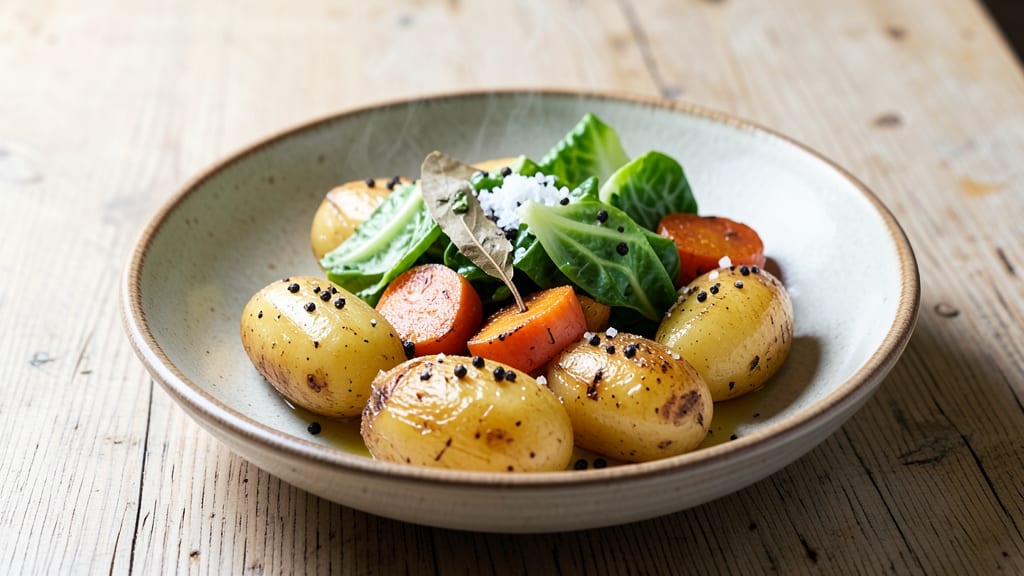
This boiled cabbage and potatoes recipe delivers a hearty, weeknight-ready side that transforms simple ingredients into a flavorful, satisfying dish. The beauty of this method lies in its simplicity—just a pot, water, and fresh vegetables that simmer together into tender perfection.
I first discovered this recipe while looking for ways to stretch a meal into a full dinner, and it quickly became a staple in my rotation.
The key to success is patience and proper seasoning—salted water and a bay leaf work wonders to infuse flavor without overpowering the natural taste of the vegetables. You can even customize it with optional additions like carrots or apples for extra depth.
This dish is foolproof, vegetarian-friendly, and ready in about 30 minutes, making it ideal for busy evenings.
By the time you're done, you'll have a pot of tender cabbage and fluffy potatoes with a light, savory broth that soaks into every bite. The cabbage stays crisp-tender while the potatoes become perfectly soft, creating a balance of textures that makes this side dish irresistible.
Serve it alongside roasted meats, grilled fish, or even as a light vegetarian main.
One of the best things about this recipe is its versatility—it adapts effortlessly to different meals and dietary needs. Whether you're feeding a family or meal prepping for the week, this no-fuss method delivers restaurant-quality results with minimal effort. Let's get started!
Ingredients for boiled cabbage and potatoes
Simple vegetables, aromatic seasonings, and patient simmering create this hearty, weeknight-ready side dish.
| Ingredient | Amount | Notes |
|---|---|---|
| Medium Yellow Potatoes 🥔 | 1 ½ lb | Russet or Yukon gold preferred |
| Green Cabbage 🥬 | 1 small head | Core removed, cut into wedges |
| Large Carrots 🥕 | 3 medium | Peeled, cut into 2-inch pieces |
| Bay Leaves 🍃 | 2 whole | Dried for aromatic infusion |
| Diamond Crystal Kosher Salt 🧂 | 1 ½ tsp | Adjust to taste after cooking |
| Black Peppercorns 🌶️ | ½ tsp | Freshly cracked for brightness |
| Extra-Virgin Olive Oil 🫒 | 1 tbsp | For drizzling after cooking |
| Fresh Parsley 🌿 | ¼ cup | Chopped, for garnish |
| Granny Smith Apples 🍎 | 1 medium | Optional, cored and sliced |
| Water 💧 | 6 cups | Enough to cover vegetables |
For optimal texture, select firm potatoes with minimal bruising—Yukon gold or Russet hold up best during simmering. The green cabbage should be crisp with tightly packed leaves; avoid wilted outer leaves. Whole Foods Market or local farmers markets often carry fresher produce than grocery store bins. When selecting carrots, look for straight, vibrant orange specimens with firm ends—Trader Joe's consistently carries excellent quality. The bay leaves should be whole and aromatic; Penzeys offers high-quality dried herbs if fresh aren't available. Diamond Crystal kosher salt dissolves more evenly than table salt, enhancing flavor without overpowering the delicate vegetables.
No Granny Smith apples? Fuji or Honeycrisp work equally well, though the tartness balances the dish differently. Substituting celery root for potatoes maintains moisture but alters texture—reduce cooking time by 10 minutes. For those without fresh parsley, dried Italian seasoning at half the amount provides similar earthy notes. The extra-virgin olive oil should have a peppery finish; California-grown brands typically deliver this characteristic. When adjusting salt, taste the broth—not the vegetables—since they absorb flavor during cooking. The black peppercorns must be freshly cracked to release their essential oils; a pepper grinder ensures maximum potency.
This dish reheats beautifully—simmer covered for 5-7 minutes on the stove to restore moisture. Store in an airtight container for up to 5 days in the refrigerator, though the cabbage may soften further. For meal prep, portion into individual containers with a drizzle of olive oil to maintain freshness. The vegetables can also be parboiled ahead and finished just before serving to preserve crispness. Freezing isn't recommended due to texture changes, but the broth can be reserved and frozen for up to 3 months for future use.
Why You'll Love This Recipe
- No-Chop Needed: I swear, the only knife work is peeling carrots—and even then, I just scrub them clean and slice them thick. The potatoes and cabbage? Toss them in whole (or halves for the potatoes) and let the water do the magic. Honestly, my lazy Sundays just got a whole lot easier.
- Sweet-Savory Magic: That carrot’s natural sweetness and the cabbage’s subtle bite? They’re a match made in heaven, especially when the bay leaves infuse the broth with earthy warmth. Between us, the salty potatoes soak up every bit of flavor—crisp edges, tender centers, and a broth so good you’ll want to sip it.
- Leftovers That Save: This dish actually improves the next day. The cabbage softens into perfect bite-sized pieces, and the potatoes stay fluffy. I pack it for lunches or reheat it for dinner—no one ever complains. (Yes, even on a Tuesday night when I’m too tired to cook.)
- Pantry Staple Power: You’re probably already staring at these ingredients in your fridge. Potatoes, cabbage, carrots—basic, cheap, and always there. No fancy substitutions, no last-minute grocery runs. It’s the kind of meal that keeps my wallet happy and my family fed without the fuss.
Step-by-step instructions for boiled cabbage and potatoes
This method delivers tender potatoes and perfectly cooked cabbage in under 45 minutes.
Prepare the Vegetables for Even Cooking
Begin by peeling the 3 medium large carrots and cutting them into uniform 2-inch pieces. This size ensures they cook through without turning mushy. For the 1 small head green cabbage, remove the core and cut it into 6 equal wedges, keeping the leaves intact to maintain structure during cooking.
While prepping, place the 1.5 lb medium yellow potatoes in a large bowl and cover them with cold water. This pre-soak removes excess starch that would otherwise make the potatoes gummy. After 10 minutes, drain and thoroughly dry the potatoes with a clean kitchen towel. This step is crucial for achieving crisp edges when they boil.
Season and Simmer the Vegetables
In a large stockpot with a tight-fitting lid, combine the 6 cups water with the 2 whole bay leaves. Bring to a rolling boil over high heat, then immediately reduce to medium-high heat. Add the prepared potatoes and carrots first, letting them cook for 8 minutes before adding the cabbage wedges.
Season immediately with the 1.5 tsp diamond crystal kosher salt and 0.5 tsp freshly cracked black peppercorns. The salt should fully dissolve into the water, and you should see small bubbles forming around the vegetables. This indicates proper seasoning distribution. Stir gently once to ensure even heat circulation.
Cook to Perfect Tenderness
Continue simmering for 15 minutes total, checking periodically for doneness. The potatoes should be fork-tender with a slight resistance when pierced, and the carrots should be soft enough that a knife slides in easily. The cabbage should be bright green and just beginning to wilt at the edges.
If using the 1 medium granny smith apple, add it during the final 5 minutes of cooking. This optional addition provides subtle sweetness that balances the savory vegetables. Remove the apple slices when they're tender but still holding their shape, about 3 minutes before the vegetables are fully cooked.
Finish and Serve with Fresh Herbs
Drain the vegetables immediately in a colander, shaking gently to remove excess water. Transfer to a serving platter and drizzle with the 1 tbsp extra-virgin olive oil while still warm. This step prevents the vegetables from drying out and adds a pleasant finish.
Garnish generously with the 0.25 cup chopped fresh parsley, which adds brightness and visual appeal. Serve immediately while the vegetables are hot, allowing guests to enjoy the natural flavors without waiting. The potatoes should be tender with crisp edges, the carrots sweet and firm, and the cabbage bright green with just a hint of tenderness.
Pro Tips For Making Boiled Cabbage And Potatoes
- Peel Potatoes Last: I used to peel and cut potatoes first, then realized they oxidize and turn gray in the water—making them look sad and sometimes mealy. Keep skins on until boiling, then peel after cooking. The starch stays intact, and you’ll get fluffier potatoes with less mess.
- Core Cabbage Tightly: That loose cabbage core? It’s the reason your cabbage stays crunchy like a sad salad. Trim the core small—just a thin wedge—so the leaves stay compact and soften evenly. A tight bundle cooks faster and absorbs flavor better.
- Salt Water Generously: Skip the half-teaspoon and go for 2 tablespoons of kosher salt per gallon of water. This isn’t just about taste—it’s about breaking down the cabbage’s tough fibers faster. Under-salted water leaves you with a dish that tastes bland and limp.
- Carrots First, Then Potatoes: Toss carrots in first—they take the longest to soften. Wait 5 minutes, then add potatoes. This ensures everything finishes at the same time without turning the carrots to mush. (Yes, even if you’re impatient like me.)
Creative variations of these flavors
Eastern European Sour Cream Twist
Inspired by Polish bigos, stir in ½ cup sour cream during the final 5 minutes of cooking for a creamy, tangy variation. The acidity brightens the cabbage while the fat coats the potatoes, creating a luxurious texture.
I like using full-fat sour cream for richness, but Greek yogurt works too—just reduce to ¼ cup to avoid excess moisture. 🌶️
Smoky Bacon-Infused Version
Crisp 4 slices thick-cut bacon in a skillet until golden, then crumble and add to the simmering pot with the cabbage. The smoky depth transforms this into a heartier side that pairs perfectly with roasted chicken.
For extra flavor, reserve 1 tbsp bacon fat and toss the finished vegetables in it before serving. Applewood-smoked bacon adds the most character.
Herb-Forward Mediterranean Style
Swap the bay leaves for 1 tsp dried oregano and ½ tsp dried thyme, then add 1 minced garlic clove with the vegetables. Finish with a sprinkle of feta cheese and a drizzle of lemon juice before serving.
This version works beautifully with grilled lamb or as a vegetarian main with crusty bread. Kalamata olives tossed in also add a nice briny contrast.
Spiced Apple-Cinnamon Fusion
When adding the Granny Smith apple, include ½ tsp ground cinnamon and ¼ tsp cayenne pepper with it. The cinnamon sweetens the cabbage naturally while the cayenne adds subtle heat.
I find McCormick organic spices work best for balanced flavor. This variation feels especially cozy during fall and winter months. 🍎
Creamy Potato-Cabbage Mash
For a mash variation, drain the cooked vegetables thoroughly, then mash the potatoes with 2 tbsp butter and ¼ cup milk until smooth. Stir in the cabbage wedges and finish with ¼ cup grated Parmesan and 1 tbsp chopped chives.
This creates a comforting, all-in-one side that's perfect for holidays or casual weeknights. Parmesan adds umami depth that elevates the dish.
Pickled Vegetable Remix
After cooking, drain the vegetables and toss them with ¼ cup pickled red onions and 2 tbsp pickling liquid from the jar. The tangy acidity cuts through the richness of the potatoes while adding vibrant color.
I recommend Bubbies or Home Cure pickled onions for consistent quality. This version works exceptionally well as a topping for open-faced sandwiches or alongside fried chicken. 🥒
Nutrition facts
Frequently asked questions
Can I use red cabbage instead of green?
Yes, but expect a different flavor and color! Red cabbage has a sweeter, slightly peppery taste and will turn a beautiful purple when cooked. Use the same preparation method, but reduce cooking time by 2-3 minutes—red cabbage softens faster. The color change is stunning when served with white meats like chicken or fish.
Why does my cabbage turn mushy?
Overcooking is the most common cause. Cabbage should be tender but still hold its shape—aim for 15 minutes total simmering time. Also, avoid cutting cabbage too small (wedges work best) and never add it to boiling water—always lower heat first. If using older cabbage, reduce time by 2-3 minutes to prevent mushiness.
Can I make this dish ahead of time?
This dish reheats beautifully. Store in an airtight container in the fridge for up to 5 days. To reheat, cover with a damp paper towel and warm in the microwave for 1-2 minutes or simmer in a pot with 1 tbsp water for 5 minutes. For best texture, add fresh parsley and olive oil after reheating.
What's the best way to store leftovers?
Keep leftovers in the refrigerator for up to 5 days, stored in a sealed container with a paper towel pressed on top to absorb excess moisture. For longer storage, freeze the vegetables (without broth) for up to 3 months—thaw overnight in the fridge before reheating. The potatoes may get slightly softer after freezing, so plan to reheat with a splash of water.
Can I add other vegetables to this recipe?
Yes! Try adding 1 cup chopped kale (add with cabbage) or ½ cup green beans (add with carrots) for extra nutrition. For heartier versions, include ½ cup diced turnips or 1 cup sliced mushrooms. Just adjust cooking times—root vegetables take longer than leafy greens. Test doneness with a fork after the initial 15 minutes.