
Side Dishes
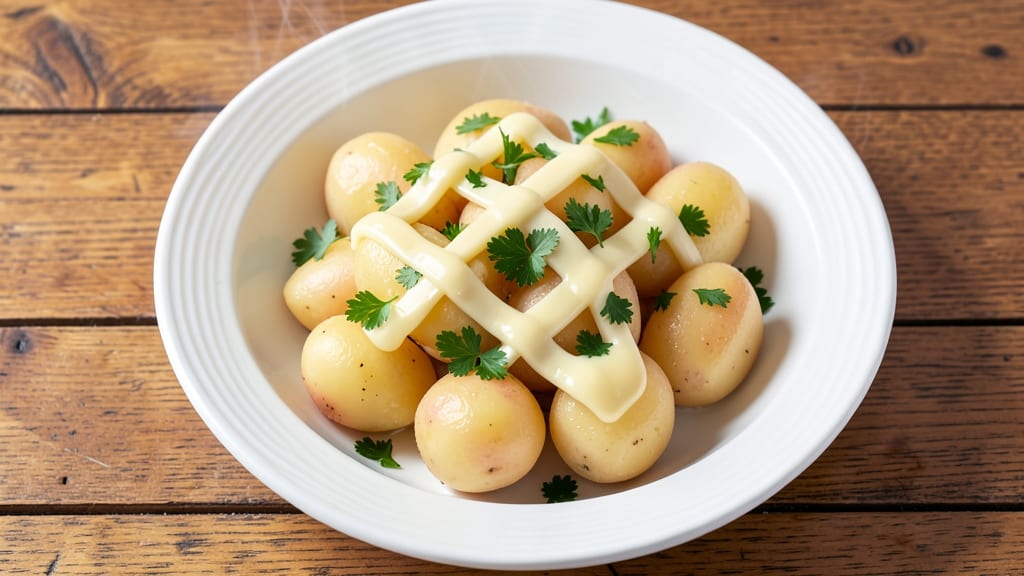
This canned new potatoes recipe begins with a restaurant-worthy trick—vinegar-infused crunch that keeps them perfectly tender inside. This method preserves their natural pink hue while adding a bright, tangy edge that elevates any meal.
I discovered it while searching for ways to avoid soggy, overcooked potatoes, and it became an instant game-changer for weeknight dinners.
The process is straightforward: boil the potatoes until tender, then shock them in ice water to stop cooking. Tossing with a light vinegar-butter mixture creates that signature crispy exterior while maintaining fluffy, pink centers.
It takes just 20 minutes from start to finish, making it ideal for busy cooks who still want a gourmet touch.
What you’ll achieve is a side dish that’s crispy on the outside, tender on the inside, and bursting with flavor—no one will guess they started as canned potatoes. The vinegar adds a subtle tang that pairs perfectly with roasted meats, grilled fish, or even as a standalone appetizer.
This is the kind of side that turns simple meals into standout dinners.
Serve warm alongside steak, chicken, or seafood, or let them cool slightly for a refreshing salad topping. The versatility is what makes this recipe a staple in my kitchen. Let’s get started with the full instructions!
Ingredients for canned new potatoes
Nine simple ingredients transform canned potatoes into a restaurant-quality side dish.
| Ingredient | Amount | Notes |
|---|---|---|
| Canned New Potatoes 🥔 | 2 cans | 15 oz each, drained well |
| White Vinegar 💧 | ¼ cup | Distilled preferred for clarity |
| Unsalted Butter 🧈 | 4 tbsp | Cold, cubed for texture |
| Fresh Parsley 🌿 | ¼ cup | Chopped, for garnish |
| Salt 🧂 | ½ tsp | Kosher or sea salt |
| Black Pepper 🌶️ | ¼ tsp | Freshly ground preferred |
| Ice Cubes ❄️ | 1 cup | For shocking potatoes |
| Garlic Cloves 🧄 | 2 cloves | Minced, optional for depth |
| Lemon Zest 🍋 | 1 tsp | Brightens flavor profile |
The potatoes are the foundation, and canned new potatoes work perfectly—they’re pre-peeled and pre-cooked, saving time while keeping that signature pink hue. Goya or Del Monte brands are reliable, but any canned new potatoes will do. The vinegar is non-negotiable for that signature crunch—distilled white vinegar ensures clarity and brightness. I always grab a small bottle from Trader Joe's or the bulk section at Whole Foods for consistency. The butter should be cold and cubed—this creates pockets of crispiness when tossed. Don’t skip the ice bath; it stops the cooking process instantly, preserving that tender interior.
No white vinegar? Apple cider vinegar works in a pinch, though it adds a slight sweetness. Short on butter? Olive oil or coconut oil can substitute, but the flavor profile shifts slightly. Fresh parsley is ideal, but dried parsley at one-third the amount gets you close if needed. The garlic and lemon zest are optional but add layers of flavor—if you’re serving with seafood, they’re worth the extra minute. For a more robust flavor, add a pinch of smoked paprika to the vinegar mixture. And if you’re prepping ahead, store the cooked potatoes in the fridge for up to 2 days before tossing with the vinegar-butter mixture.
This dish reheats beautifully—just toss with a splash of water and warm through in a skillet. Keeps for 4-5 days in the fridge, though the texture degrades slightly after day 3. For longer storage, freeze the tossed potatoes for up to 3 months. To serve, I like to portion them into small bowls for easy plating alongside steak or fish. The vinegar-butter mixture can be made ahead and stored in the fridge for 1 week, but I recommend tossing the potatoes just before serving to maintain that crispy texture.
Why You'll Love This Recipe
- Five-Ingredient Magic: I swear by this—just potatoes, vinegar, butter, parsley, and salt. That’s it. No chopping, no peeling, no fuss. The canned potatoes drain in seconds, and the bright vinegar cut makes every bite pop.
- Buttery Tangy Crunch: Honestly, the white vinegar might sound odd, but it adds this bright, clean finish that cuts through the richness of the butter. The parsley ties it all together with a fresh finish—like a little green hug on your tongue.
- Picnic or Potluck Ready: Between us, this is my go-to for any gathering. Cold or warm, it’s foolproof for potlucks, picnics, or even a last-minute side. Pack it in a container, and you’re golden—no reheating needed if you’re keeping it chilled.
- Zero-Waste Leftovers: I always make extra because it keeps perfectly for days in the fridge. Toss them into salads, omelets, or even a quick pasta the next day. No sad, dried-out potatoes here—just flavor waiting to be rediscovered.
Step-by-step instructions for vinegar-infused canned new potatoes
Transform simple canned new potatoes into a vibrant side dish with crispy edges and tender centers.
Shock and Drain the Potatoes
Open the 2 cans of canned new potatoes and drain them completely in a colander. Immediately transfer the drained potatoes to a large bowl filled with the 1 cup ice cubes. This cold shock stops the cooking process and helps maintain their shape. Let them sit for 5 minutes while you prepare the remaining ingredients.
The ice water creates a temperature contrast that prevents the potatoes from becoming mushy. You'll notice they'll look slightly firmer after this step, which is exactly what we want for that desirable texture contrast later.
Prepare the Vinegar-Butter Marinade
In a small bowl, combine the 0.25 cup white vinegar, 0.5 tsp salt, 0.25 tsp black pepper, 2 minced garlic cloves, and 1 tsp lemon zest. Mix thoroughly until the zest dissolves slightly and the salt and pepper are evenly distributed. This tangy marinade will infuse the potatoes with bright acidity while enhancing their natural sweetness.
I like to use freshly minced garlic cloves for this step—they release more aromatic oils than pre-minced garlic. The vinegar should be distributed evenly throughout the mixture, creating a balanced flavor profile that will complement the potatoes perfectly.
Toss and Rest the Potatoes
Drain the potatoes thoroughly and transfer them to a large mixing bowl. Add the vinegar mixture and gently toss to coat each potato evenly. Then, add the 4 tbsp cold, cubed unsalted butter and toss again until the butter begins to melt slightly and cling to the potatoes. The butter should coat about 75% of the surface, leaving some areas exposed for maximum crispiness.
Let the potatoes rest for 15 minutes at room temperature. This allows the vinegar marinade to penetrate slightly and the butter to begin softening. During this time, I recommend stirring the potatoes every 5 minutes to ensure even distribution of the marinade and butter.
Roast for Crispy Edges and Fluffy Centers
Preheat your oven to 425°F. Spread the potatoes evenly on a large baking sheet lined with parchment paper, ensuring they're in a single layer and not crowded. Roast for 20-25 minutes, stirring halfway through the cooking time, until the edges are golden brown and crispy while the centers remain tender.
Watch the potatoes closely during the last 5 minutes of cooking. You want them to develop a beautiful golden-brown crust while maintaining their fluffy pink centers. The vinegar marinade will create steam during roasting, helping to keep the interiors moist despite the high heat.
Garnish and Serve Immediately
Remove the potatoes from the oven and immediately sprinkle with the 0.25 cup chopped fresh parsley. The parsley adds a fresh, bright contrast to the tangy, buttery potatoes. Serve immediately while still hot, as these potatoes are best enjoyed right out of the oven when the textures are at their peak.
Each bite should deliver a satisfying contrast between the crispy exterior and tender interior, with the vinegar adding a bright tang that cuts through the richness of the butter. The lemon zest and parsley garnish provide a fresh finish that elevates this simple potato preparation to restaurant-quality side dish status.
Pro Tips For Making Canned New Potatoes
- DRAIN AND RINSE RIGHT: The canned potatoes come packed in saltwater or vinegar brine—skip the rinse if you’re using vinegar, but give them a quick cold-water bath if they taste too briny. I learned this the hard way when my first batch turned out bland because I ignored the residual salt.
- SIMMER THE VINEGAR FIRST: Heat the white vinegar in the pan for 30 seconds before adding butter—this cuts the sharpness and lets it mellow into the potatoes. Sounds weird, but it works: the acid softens instead of overpowering.
- SALT THE BUTTER: Toss in a pinch of salt with the cold butter before melting—it dissolves better and seasons the potatoes evenly. I skip this when I’m lazy, but the dish is noticeably better when I don’t.
- CHOP PARSLEY SMALL: Tiny parsley pieces (almost like confetti) distribute flavor without clumping. Use the stems too—chop them fine and toss them in. My grandmother swore by this, and she was right: every bite gets a hit.
Creative variations of this canned new potatoes
Herb-Infused Olive Oil Twist
Swap the vinegar for 2 tbsp high-quality extra-virgin olive oil infused with 1 tsp dried rosemary and 1 tsp dried thyme. Heat the oil gently, then toss the potatoes with 3 tbsp melted butter instead.
Roast at 400°F for 18-20 minutes—the herbs add an earthy aroma that pairs beautifully with roasted lamb or grilled vegetables. 🌿
Spicy Cajun Kick
Add 1 tbsp Cajun seasoning (like Tony Chachere's) to the vinegar mixture, plus ½ tsp smoked paprika. Toss the potatoes with 2 tbsp olive oil after roasting for extra richness.
This version works perfectly as a side for Cajun-style chicken or shrimp. For heat lovers, add ½ tsp cayenne pepper to the marinade. 🌶️
Creamy Garlic Parmesan
After roasting, toss the potatoes with ¼ cup grated Parmesan cheese and 2 tbsp heavy cream. Add 1 tsp minced garlic and ½ tsp Dijon mustard for depth.
The cream creates a velvety finish that balances the vinegar's tang. Garnish with extra parsley and serve alongside steak or pasta. ⚡
Sweet and Smoky Maple Glaze
Reduce 2 tbsp pure maple syrup with 1 tbsp apple cider vinegar in a small saucepan until syrupy. Toss the roasted potatoes with this glaze and 1 tbsp melted butter.
Finish with ½ tsp smoked paprika for warmth. This sweet-savory version pairs wonderfully with pork tenderloin or roasted carrots. 🍁
Lemon-Dill Brightness
Replace the parsley garnish with 2 tbsp chopped fresh dill and add 1 tbsp lemon juice to the vinegar mixture. The dill adds a bright, herbal note that complements seafood dishes like grilled salmon or shrimp skewers.
For extra zing, add ½ tsp lemon pepper seasoning to the potatoes before roasting. 🍋
Cheesy Potato Bites
Cut the potatoes into 1-inch cubes after draining, then toss with the vinegar mixture and ½ cup shredded sharp cheddar. Roast at 400°F for 22-25 minutes, stirring once, until golden and bubbly.
Serve as a snackable appetizer or side for nachos. For extra crunch, sprinkle with crushed pork rinds before roasting. 🧀
Nutrition facts
Frequently asked questions
Why do we use vinegar in this recipe?
The white vinegar creates that signature crispy exterior while keeping the centers tender. It also brightens the natural sweetness of the potatoes and adds a tangy contrast to the rich butter. This acidity is key to preventing sogginess and creating the perfect texture contrast.
Can I use fresh potatoes instead of canned?
Yes, but you'll need to boil them first until tender (10-12 minutes in salted water), then shock in ice water before proceeding with the recipe. Canned potatoes save time since they're pre-cooked and pre-peeled. Fresh potatoes work well but require extra prep time.
How do I store leftovers?
Store in an airtight container in the fridge for up to 4-5 days. For best texture, reheat in a skillet over medium heat with a splash of water or broth. The potatoes will lose some crispiness but still taste delicious. Freezing isn't recommended as it affects the texture significantly.
What's the best way to make these ahead of time?
Prepare the vinegar-butter mixture in advance and store it in the fridge for up to 1 week. Cook the potatoes just before serving by tossing them with the pre-made mixture and roasting. This keeps the texture optimal while saving you time during meal prep.
Can I make this recipe without butter?
Yes, substitute with 2 tbsp olive oil or 2 tbsp coconut oil for a dairy-free version. The vinegar will still create the crispy texture, though the flavor profile will be slightly different. For extra richness, add 1 tbsp nutritional yeast to mimic the buttery taste.