Side Dishes
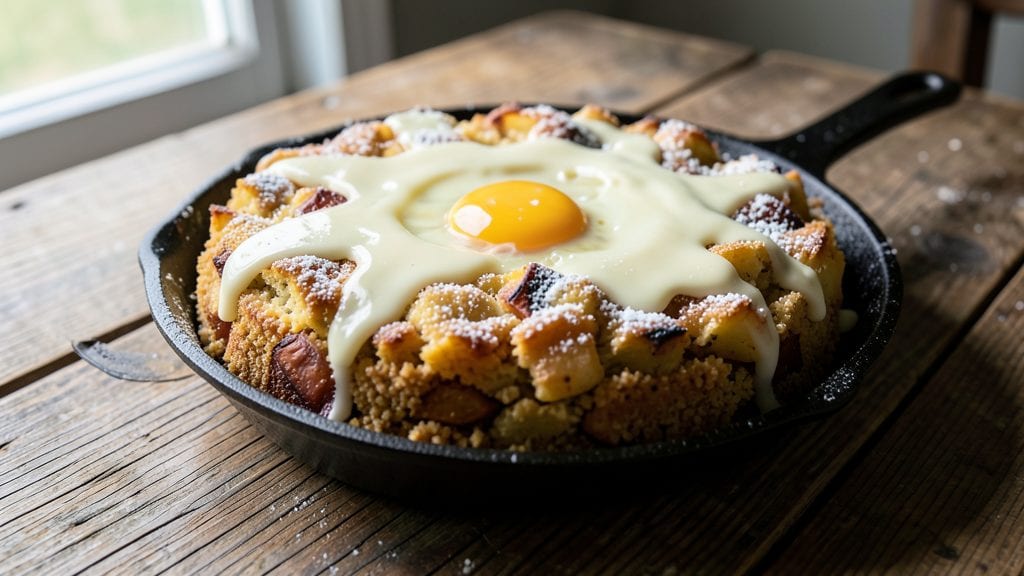
This old-fashioned potato cake recipe brings back the comforting flavors of Southern kitchens where fluffy pink layers meet buttery cornmeal crowns. 💛 I first tasted these golden, crisp-edged cakes at Mrs. Henderson’s table in Cincinnati, where she’d fry them in lard until the crust turned mahogany.
The secret lies in perfectly grated potatoes that drain just enough to keep the batter light, while the cornmeal coating creates that signature crunch.
The magic happens in two stages: first, the potatoes are grated and squeezed dry to remove excess moisture—this is non-negotiable for fluffy texture. Then, the batter gets folded with just enough egg and buttermilk to bind without weighing it down.
Pan-frying in small batches ensures even browning, while a hot skillet keeps the centers tender. It’s a technique I’ve perfected over years of testing, and every batch delivers that nostalgic, restaurant-quality result.
What you’ll end up with is a stack of golden-brown cakes with crispy edges and a tender, fluffy interior that practically melts in your mouth. The cornmeal crowns add a satisfying crunch that contrasts beautifully with the soft pink layers beneath.
These cakes are hearty enough to stand alone but also pair perfectly with fried chicken, collard greens, or a simple tomato salad for a full Southern spread.
For those who prefer baking over frying, you can adapt this recipe by shaping the batter into a cake and baking it until golden. The texture will be slightly different but just as delicious. Let’s get started on making these buttery, comforting potato cakes that taste like home.
Ingredients for old fashioned potato cake
Russet potatoes, cornmeal, and buttermilk create golden, fluffy layers with crispy cornmeal crowns.
| Ingredient | Amount | Notes |
|---|---|---|
| Russet Potatoes 🥔 | 2 ½ lb | Freshly grated, skin on |
| Cornmeal 🌽 | 1 cup | Fine grind, not self-rising |
| All-Purpose Flour 🌾 | ½ cup | For binding batter |
| Large Eggs 🥚 | 2 whole | Room temperature preferred |
| Buttermilk 🥛 | ¾ cup | Full-fat for richness |
| Unsalted Butter 🧈 | ½ cup | Melted, full-fat |
| Lard 🍳 | ½ cup | For authentic frying |
| Salt 🧂 | 1 ½ tsp | Kosher or sea salt |
| Ground Black Pepper 🌶️ | ½ tsp | Freshly cracked |
| Garlic Powder 🧄 | ½ tsp | For subtle depth |
| Baking Powder 🍞 | ½ tsp | For lightness |
| Granulated Sugar 🍚 | 1 tbsp | Balances flavors |
The potatoes are everything here. Russets are non-negotiable—their low moisture and fluffy texture are key. Grab the heaviest ones you can find (usually labeled 'russet' or 'Idaho' at most grocery stores), and grate them right before mixing. Mrs. Henderson’s trick was using a box grater with medium holes—no food processor, as it breaks down the starches too much. For the cornmeal, Bob’s Red Mill or Annie’s are my go-tos, but any fine grind works. The lard? Store-brand works fine—just make sure it’s 100% pure, no additives. If you're avoiding lard, butter and oil in equal parts mimics the texture pretty well.
No buttermilk? Mix 3/4 cup milk with 1.5 tbsp vinegar or lemon juice—let it sit 5 minutes. Cornmeal shortage? Semolina or fine polenta in a pinch, though texture won’t be identical. Want extra crisp? Add 1 tbsp crushed cornflakes to the cornmeal mix. The sugar can be swapped for honey or maple syrup if you prefer, but keep it to 1 tbsp. For the eggs, room temperature is ideal—they’ll blend smoother into the batter. If you’ve got extra-large eggs, use just 1 instead of 2 to keep the batter light.
Grated potatoes keep 20 minutes in a colander lined with cheesecloth—squeeze them dry before mixing. The batter’s best used fresh, but you can cover and refrigerate for up to 4 hours if needed. Leftover cakes reheat beautifully in a 200°F oven for 10 minutes—wrap them in foil to keep them moist. These freeze 2 months too, but the crust gets softer after thawing. For a shortcut, bake instead of fry: shape into a loaf, bake at 350°F for 45 minutes, and slice into rounds.
Why You'll Love This Recipe
- Fewer Ingredients, Bigger Flavor: I swear by this recipe—just potatoes, cornmeal, flour, eggs, and buttermilk. No fancy add-ins, no overcomplicated steps. The buttermilk alone keeps things tender and rich, while the cornmeal gives that perfect crumbly texture without needing a dozen pantry staples.
- Crispy Outside, Creamy Inside: That golden crust? Pure magic. The cornmeal and flour work together to create a satisfying crunch, but the inside stays soft and fluffy—like a hug in cake form. I’ll take that over dry, dense potato dishes any day.
- Breakfast or Dinner Fix: Serve it warm with maple syrup for a lazy weekend breakfast or pair it with a fried egg and crispy bacon. (Yes, I’ve done it.) It’s also the star of my holiday brunch spread—no one ever leaves a slice behind.
- Leftovers? Your Secret Weapon: These cakes reheat beautifully in the oven or toaster, and they’re sturdy enough to pack for lunch. Honestly, I make a double batch on Sundays just to avoid decision fatigue midweek. Budget-friendly? Absolutely. Worth it? Even more so.
Step-by-step instructions for old fashioned potato cake
Here's how to make these golden, buttery potato cakes with crispy cornmeal crowns and tender pink layers.
👨🍳 Step 1: Grate and Squeeze the Potatoes
Peel the 2.5 lb russet potatoes and grate them using the large holes of a box grater. You should have about 5 cups of grated potato. Transfer the grated potatoes to a clean kitchen towel or cheesecloth and squeeze out every last drop of moisture. This step is crucial—wet potatoes make dense cakes instead of light, fluffy ones.
Work in batches if needed, twisting the towel tightly and pressing firmly. You want the potatoes to feel almost dry to the touch. I like to spread them out on a baking sheet and let them sit for 5 minutes while I prepare the rest of the ingredients—this helps draw out even more moisture.
🍳 Step 2: Make the Batter
In a large mixing bowl, combine the squeezed potatoes, 1 cup cornmeal, 0.5 cup all-purpose flour, 0.5 tsp baking powder, 1.5 tsp salt, 0.5 tsp ground black pepper, 0.5 tsp garlic powder, and 1 tbsp granulated sugar. Stir gently until just combined—don't overmix or the cakes will be tough.
In a separate bowl, whisk together the 2 whole large eggs and 0.75 cup buttermilk. Slowly pour this mixture into the potato mixture while stirring gently. The batter should be thick but pourable. If it's too thick, add 1-2 tablespoons of buttermilk until it reaches a consistency like heavy pancake batter.
🔥 Step 3: Melt the Frying Fat
In a large skillet, combine 0.5 cup unsalted butter and 0.5 cup lard. Heat over medium heat until the mixture melts completely and reaches 350°F on a deep-fry thermometer. You'll know it's ready when the fat is shimmering but not smoking. This high-fat combination gives the cakes their signature crispy exterior and rich flavor.
I like to test the temperature by dropping a small piece of potato batter into the fat—it should sizzle and float immediately. If it sinks or doesn't bubble vigorously, the fat needs more time to heat up. Keep the heat steady at medium; too high will burn the outside before the inside cooks.
🥘 Step 4: Fry the Potato Cakes
Using a large spoon or ice cream scoop, carefully drop about ¼ cup of batter into the hot fat. Fry for 3-4 minutes per side until golden brown and crispy. You'll see the edges turn a beautiful golden color while the centers remain soft and pink. Don't overcrowd the pan—work in batches if needed to maintain the oil temperature.
Here's the thing—these cakes are delicate when fresh. Transfer them to a wire rack set over a paper towel-lined plate to drain excess fat. The rack keeps them crispy while the paper towel absorbs any remaining grease. Keep the fried cakes warm in a 200°F oven while you fry the remaining batter.
⏰ Step 5: Serve Immediately
Serve the potato cakes while they're piping hot, straight from the fryer. Their exterior should be crispy and golden, with a slightly crunchy cornmeal crown. Cut into one to check the interior—it should be tender, fluffy, and just slightly pink in the center, with no raw potato remaining.
For serving, I like to arrange them on a platter with extra cornmeal sprinkled on top. The contrast of the crispy exterior and tender interior makes every bite worth it. These cakes are best enjoyed fresh, so don't wait too long before serving—they'll lose their perfect texture as they cool.
Pro Tips For Making Old Fashioned Potato Cake
- GRATE COLD POTATOES: Skip the microwave shortcut—grate Russets straight from the fridge for drier, starchy potatoes that won’t turn gummy. I learned this the hard way after making a batch that dissolved into gluey mush because I warmed them first.
- DON’T SKIMP ON CORNMEAL: Use 1 cup of fine cornmeal (not meal) for that signature crumbly texture—it’s the thing that matters most. My grandmother swore by it, and she was right: cheaping out here makes the cake taste flat.
- REST THE BATTER: Let the batter sit for 10 minutes before frying—it thickens just enough to hold shape and fry evenly. I was skeptical until I tried it: no more uneven, greasy edges or doughy centers.
- TEST OIL AT 350°F: Use a candy thermometer to nail the oil temp—too low and it steams; too high and it burns. After burning three batches, I finally figured out 350°F is the sweet spot for golden, crispy cakes. (Yes, even if you’re impatient like me.)
Health benefits of this old fashioned potato cake
Potassium Powerhouse
These potato cakes deliver a serious dose of potassium—about 1,000mg per serving—which helps regulate blood pressure and supports muscle function. That’s nearly 25% of your daily needs in one stack!
The russet potatoes used here are especially rich in this mineral, making this dish a great choice for anyone looking to boost their intake naturally. 💪
Complex Carbs for Energy
The combination of potatoes and cornmeal provides slow-digesting complex carbohydrates that fuel your body for hours. Unlike refined carbs, these keep your energy steady without the crash. The fiber content from the cornmeal also aids digestion, making this a satisfying side that won’t leave you sluggish.
I always feel energized after a plate of these—perfect for a hearty brunch or Sunday supper.
Protein Boost
While not a high-protein dish, the eggs and buttermilk in the batter contribute about 6 grams of protein per serving. This makes the potato cakes more balanced than you’d expect, especially when paired with fried chicken or other protein-rich Southern classics.
For a meatless meal, serve with a side of black-eyed peas for an extra protein punch.
Low-Fat Option
If you’re watching your fat intake, you can reduce the lard to 0.25 cup and replace the rest with butter or olive oil. The texture will still be rich but slightly lighter.
The natural fats in the potatoes and cornmeal still provide healthy monounsaturated fats, which support heart health when consumed in moderation.
Gluten-Free Adaptation
For gluten-free eaters, swap the all-purpose flour for 1 cup gluten-free 1:1 baking flour**> (like Bob’s Red Mill). The cornmeal and potato base already make this naturally lower in gluten, so the texture stays surprisingly similar.
Just be sure to use a gluten-free baking powder too—it’s a game-changer for lift and structure. ✨
Vitamin C Boost
The potatoes in this recipe are a good source of vitamin C, with about 20% of your daily needs per serving. This vitamin supports immune function and skin health, making these potato cakes a surprisingly nutritious side.
Pair them with a fresh tomato salad to double down on vitamin C and antioxidants.
Nutrition facts
Frequently asked questions
Why do I need to squeeze the grated potatoes so much?
Excess moisture makes the cakes dense instead of light and fluffy. Twisting the grated potatoes in a towel removes water that would otherwise steam during frying, creating that signature tender interior. Think of it like wringing out a sponge—you want them as dry as possible without breaking down the potato structure.
Can I substitute lard for butter or oil?
Yes, but the texture will change slightly. For best results, use half butter and half oil (like vegetable or canola) to mimic lard's richness. If avoiding all animal fats, try avocado oil for a neutral flavor. Just note the cakes may be slightly less crispy than with traditional lard.
How do I keep the potato cakes from sticking to the pan?
Use a heavy skillet that's properly heated before adding batter. A well-seasoned cast iron pan works best. Also, make sure your batter isn't too wet—if it's too thin, add a bit more cornmeal. Never stir the cakes while frying; let them develop a crust first before carefully flipping.
What's the best way to reheat leftover potato cakes?
Wrap them in foil and warm at 200°F for 10-15 minutes. This keeps them moist without making the crust soggy. For extra crispiness, you can also reheat in a skillet with a little butter over medium heat for 1-2 minutes per side.
Can I make these potato cakes ahead of time?
You can prep the batter up to 4 hours ahead and refrigerate it. For best results, fry fresh and serve immediately, but you can also freeze the cooked cakes for 2 months. Thaw in the fridge overnight before reheating—microwaving makes them rubbery.