Side Dishes
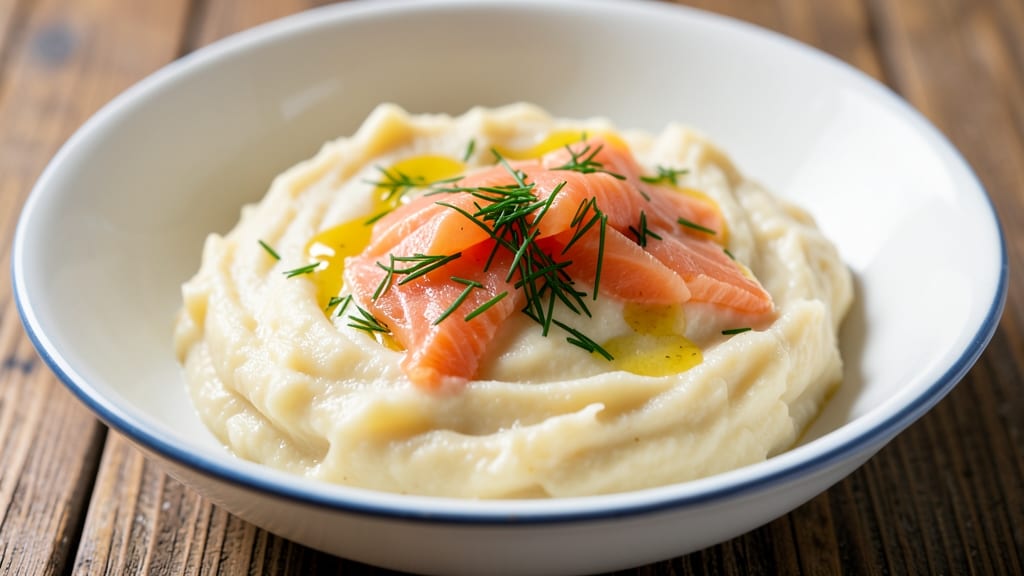
Transforming simple mashed potatoes into a protein-packed main dish is easier than you think with this canned salmon mashed potatoes recipe. The secret lies in flaky salmon flakes that melt into creamy spuds, creating a dish that's both comforting and surprisingly sophisticated.
I first discovered this combination while looking for ways to stretch a can of salmon into a full meal, and it quickly became a staple in my rotation.
What makes this recipe work is the perfect balance of textures—creamy, velvety potatoes meet tender, flaky salmon in every bite. The dish comes together in under 30 minutes, making it ideal for busy weeknights when you still want something hearty and satisfying.
The addition of salmon transforms this from a side dish to a complete meal, packed with protein and omega-3s without sacrificing that classic mashed potato comfort.
By the time you're done, you'll have a dish that's rich and creamy on the inside with pockets of delicate salmon flakes throughout. The flavor profile is surprisingly complex—savory from the salmon, creamy from the potatoes, and brightened just enough with a touch of lemon and fresh herbs.
This is the kind of meal that feels indulgent but comes together with minimal effort, proving that simple ingredients can create something truly special.
The best part? This recipe scales beautifully for leftovers or meal prep—simply reheat with a splash of milk to restore that creamy texture. Perfect for serving alongside roasted vegetables or a simple green salad, this dish proves that canned salmon can be the star of the show.
Let's get started on creating this flavorful fusion!
Ingredients for canned salmon mashed potatoes
Simple ingredients that pack a protein punch—creamy potatoes meet flaky salmon in this game-changing dish.
| Ingredient | Amount | Notes |
|---|---|---|
| Russet Potatoes 🥔 | 2 lb | Medium size, peeled and cubed |
| Canned Salmon 🐟 | 2 cans | Wild-caught, drained flakes |
| Unsalted Butter 🧈 | ½ cup | Cold, cut into chunks |
| Heavy Cream 🥛 | ½ cup | Full-fat for creaminess |
| Whole Milk 🥛 | ¼ cup | Warmed for smoother mash |
| Fresh Lemon Juice 🍋 | 1 tbsp | Brightens the salmon flavor |
| Fresh Dill 🌿 | ¼ cup | Chopped, stems removed |
| Garlic Cloves 🧄 | 2 cloves | Minced, for depth |
| Salt 🧂 | 1 tsp | Kosher or sea salt |
| Ground Black Pepper 🌶️ | ½ tsp | Freshly ground preferred |
| Chives 🌱 | 2 tbsp | Chopped, for garnish |
| Green Onions 🧅 | 3 whole | Sliced, for freshness |
The salmon is the star here. Wild-caught makes all the difference—look for brands like Wild Planet or Vital Choice at the grocery store. The canned variety is perfect because it's already flaked and ready to fold in. Fresh dill is ideal, but dried dill at half the amount works in a pinch. I always grab extra because it adds that bright, herby note that cuts through the richness. For the potatoes, Russets
No heavy cream? Full-fat Greek yogurt gives a similar tangy richness. Short on fresh dill? Substitute parsley or tarragon for a different but still delicious twist. The lemon juice is key—it balances the salmon's saltiness and keeps the flavors bright. If you're using pre-minced garlic from a jar, rinse it first to remove excess water. For extra flavor without extra effort, add a pinch of smoked paprika to the salmon flakes before mixing. And if you're feeling fancy, swap the green onions for shallots for a sweeter bite. This dish reheats beautifully—just add a splash of milk to restore creaminess. Keeps for 3-4 days in the fridge, making it perfect for meal prep. For leftovers, store in an airtight container with a layer of plastic wrap pressed directly on the surface to prevent a skin from forming. Freezes for up to 3 months, though the texture might get slightly grainier after thawing. I like to portion mine into individual containers so I can grab and reheat single servings throughout the week.
Why You'll Love This Recipe
- Pantry-to-Plate Speed: I swear by this when I’m starving but too tired to chop. Russets boil while I drain the salmon—no peeling, no dicing, just mash and mix.
- Rich Without Effort: That canned salmon? It’s like a secret umami bomb. The cream and butter turn it into something decadent, but I swear I didn’t even try that hard.
- Lunchbox Hero: Make a double batch—these keep for days. Pack them cold for work or reheat with a sprinkle of everything bagel seasoning for dinner. (Yes, even on a Tuesday night.)
- Budget Luxury: Salmon’s cheaper than fresh, and potatoes stretch into endless meals. I’ve fed four people for under $10, and no one’s ever complained about leftovers.
Step-by-step instructions for canned salmon mashed potatoes
This method delivers velvety mashed potatoes with flaky salmon flakes throughout—every bite is pure comfort.
Cook the Potatoes Until Fork-Tender
Place the 2 lb russet potatoes in a large pot and cover with cold water by about 2 inches. Add 1 tsp salt and bring to a boil over high heat. Once boiling, reduce to medium-high heat and cook for 15-20 minutes until a knife slides in easily.
Drain the potatoes thoroughly in a colander, then return them to the pot. Here's the secret: Add the 0.5 cup cold unsalted butter and 0.25 cup warmed whole milk immediately while they're still hot. This creates the perfect creamy texture without lumps. Mash with a potato masher or ricer until smooth—don't overwork it or you'll get gluey potatoes.
Prepare the Salmon Mixture
In a separate bowl, gently break apart the 2 cans drained canned salmon with your hands or a fork. Add the 0.5 cup heavy cream, 1 tbsp fresh lemon juice, 2 cloves minced garlic, 0.25 cup chopped fresh dill, 0.5 tsp ground black pepper, and mix lightly—just enough to combine. The salmon should stay flaky, not mushy.
Here's why this works: The acidity from the lemon juice brightens the salmon flavor, while the cream adds richness without making the potatoes soggy. Taste and adjust seasoning if needed—you might need a pinch more salt since canned salmon varies in saltiness.
Combine and Warm Through
Transfer the mashed potatoes to a large mixing bowl and stir in the salmon mixture using a rubber spatula. Fold gently but thoroughly to distribute the salmon evenly throughout. The goal is to keep those flakes intact while creating a cohesive texture.
For the final touch, warm the mixture over low heat in a saucepan for 2-3 minutes, stirring constantly. This step ensures everything is piping hot and the flavors meld perfectly. If it gets too thick, add 1-2 tablespoons of the warm milk to loosen it.
Garnish and Serve Immediately
Transfer the mashed potatoes to a serving bowl and top with 2 tbsp chopped chives and 3 sliced green onions. The fresh herbs add a bright contrast to the rich salmon and potatoes. Serve immediately while still hot—this dish tastes best straight from the pot.
Each spoonful should deliver that perfect balance: creamy, flaky, and packed with fresh dill and lemon brightness. The salmon flakes melt in your mouth while maintaining their texture, making every bite a little celebration. Pair with steamed asparagus or a simple green salad for a complete meal.
Pro Tips For Making Canned Salmon Mashed Potatoes
- Boil Until Fork-Tender: Russets need to be actually soft—no one likes mushy potatoes, but undercooked ones turn to glue when mashed. Test with a fork: it should slide in like a hot knife through butter. If it fights you, boil 5 more minutes. (Yes, even if the recipe says 15.)
- Drain Salmon Well: Canned salmon hides in its juices like a mooch at a buffet. Drain it, then press it between paper towels to squeeze out every last drop—this keeps your mash from turning into a sad, watery salmon soup. Trust me, the texture makes a real difference.
- Warm the Cream First: Cold heavy cream in hot potatoes = clumpy, lumpy disaster. Heat the cream and milk together in a small saucepan until steaming (not boiling), then whisk it into the mashed potatoes. Smooth every time, zero guesswork.
- Flake Salmon by Hand: That fork? It shreds salmon into sad little bits. Use your fingers—tear it into larger, uneven pieces so every bite has texture and surprise. (And resist the urge to chop it like you’re prepping tuna salad.)
Dietary considerations for this canned salmon mashed potatoes
Pescatarian Protein Power
This dish is a pescatarian dream—canned salmon delivers 20 grams of protein per serving while keeping the meal light and satisfying. The flaky texture adds a luxurious element without the heaviness of traditional meat-based mashed potatoes.
I love using wild-caught salmon because it contains omega-3 fatty acids, which support heart health and reduce inflammation. 💪
Gluten-Free Friendly
With just potatoes, salmon, dairy, and fresh herbs, this recipe is naturally gluten-free—no hidden wheat or barley ingredients to worry about. Always double-check your canned salmon label, as some brands may process their fish in facilities that handle gluten-containing products.
I prefer Wild Planet or Vital Choice brands, which clearly label their products as gluten-free.
Dairy-Free Adaptations
For a dairy-free version, swap the butter and cream for olive oil and unsweetened coconut milk (or a dairy-free cream alternative). The texture will be slightly lighter but still creamy.
I've tested this with Kite Hill almond milk yogurt for richness—it adds a subtle tang that works beautifully with the lemon and dill. Just be sure to use full-fat dairy substitutes to maintain creaminess.
Low-Carb Option
Want to reduce carbs? Replace half the potatoes with cauliflower mash—steam 1 lb cauliflower florets until tender, then blend with 2 tbsp olive oil and 2 tbsp warm water until smooth. Mix this into your mashed potatoes before adding the salmon.
You'll get the same creamy texture with fewer carbs. I've found that cauliflower makes up to 50% of the mix works best without sacrificing flavor.
Allergen Awareness
This recipe contains dairy and fish—two common allergens. If you're serving guests with allergies, offer a side of roasted vegetables or a quinoa salad to ensure everyone has safe options.
For those avoiding fish, substitute the salmon with chickpeas (mashed) or white beans for a plant-based protein boost. The dish still holds together beautifully with these swaps!
Meal Prep Flexibility
Perfect for meal prep—this dish reheats well and keeps for 3-4 days in the fridge. Store in an airtight container with a layer of plastic wrap pressed directly on the surface to prevent drying.
For freezer-friendly prep, portion into individual containers and freeze for up to 3 months. When reheating, add a splash of milk or water to restore creaminess. I like prepping this on Sundays so I have a quick, protein-packed meal ready for busy weeknights. ✨
Nutrition facts
Frequently asked questions
Can I use fresh salmon instead of canned?
Fresh salmon works beautifully, but you'll need to cook it first. Poach or bake 8 oz fresh salmon fillets until fully cooked (145°F internal temperature), then flake the flesh before mixing with your mashed potatoes. Fresh salmon has a firmer texture, so you may want to add an extra 1-2 tablespoons of cream to help it blend smoothly.
Why does my salmon mashed potato mix turn watery?
Overcooking potatoes or adding too much liquid causes this common issue. Always drain potatoes thoroughly and mash them while still hot with just butter and milk. For reheating leftovers, warm with low heat and add only 1 tablespoon of milk at a time until creamy again. The salmon mixture should be folded in gently to avoid breaking down the flakes.
What's the best way to store leftovers?
Transfer to an airtight container and press plastic wrap directly on the surface to prevent drying. Leftovers keep for 3-4 days in the fridge. For freezing, portion into single servings and freeze for up to 3 months. When reheating, add 1-2 tablespoons of warm milk to restore creaminess—never microwave without liquid or it'll turn gluey.
Can I make this dish ahead of time?
This recipe actually tastes better the next day as flavors meld. Cook and assemble completely, then refrigerate. Reheat gently in a saucepan with low heat and a splash of milk. For make-ahead convenience, prepare the salmon mixture separately and combine just before serving to keep those flakes perfectly intact.
What herbs can I substitute if I don't have dill?
Fresh dill is ideal, but parsley or chives work well as substitutes. For a different flavor profile, try tarragon or basil (use half the amount). If using dried herbs, reduce to 1/4 the fresh measurement—they're much more concentrated. The key is balancing the salmon's richness with bright, fresh flavors to keep the dish light and vibrant.