
Side Dishes
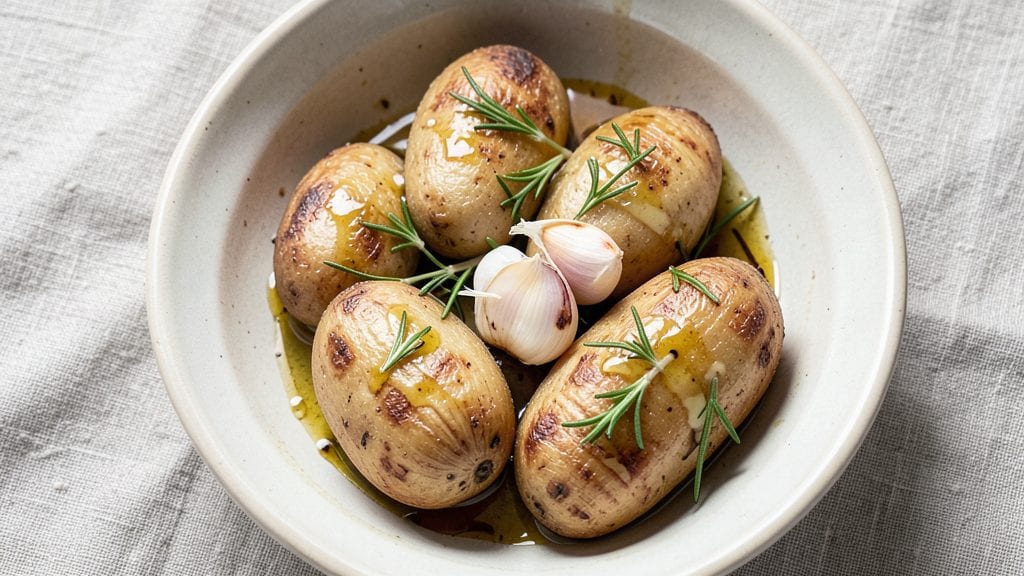
Transforming canned whole new potatoes into buttery vinegar-roasted wedges with fluffy hearts proves convenience can meet gourmet results. The secret lies in a precise balance of tangy vinegar, rich butter, and high-heat roasting—techniques that elevate simple ingredients into a restaurant-worthy side dish.
I developed this method after realizing canned potatoes could deliver the same crispy edges and tender centers as fresh, with far less effort.
This recipe delivers two distinct textures in one dish: golden, vinegar-kissed wedges with crispy exteriors and fluffy, buttery potato hearts that melt in your mouth. The process is straightforward—just drain, rinse, and roast—but the flavor transformation is what makes it special.
You’ll need only a handful of pantry staples, yet the result is a side dish that pairs perfectly with everything from grilled steaks to roasted chicken.
The key to success is proper seasoning and even roasting. A simple mix of olive oil, butter, and apple cider vinegar creates a tangy crust on the wedges while keeping the hearts tender.
With precise timing and temperature control, you’ll achieve that perfect contrast of textures and flavors that makes this dish unforgettable. Ready in just 30 minutes, it’s the ideal solution for busy weeknights or special occasions.
Serve these buttery wedges alongside your favorite main course or as a standalone appetizer. The vinegar’s brightness cuts through rich proteins, while the fluffy hearts add a comforting element that makes every bite satisfying.
Once you try this method, you’ll never treat canned potatoes as anything less than a culinary shortcut worth mastering.
Ingredients for canned whole new potatoes
Nine simple ingredients transform canned potatoes into restaurant-quality wedges with crispy edges and fluffy hearts.
| Ingredient | Amount | Notes |
|---|---|---|
| Canned Whole New Potatoes 🥔 | 2 cans | 15 oz each, drained and rinsed |
| Unsalted Butter 🧈 | ½ cup | Cold, cubed for even coating |
| Extra-Virgin Olive Oil 🫒 | 2 tbsp | Light fruity variety preferred |
| Apple Cider Vinegar 🍶 | 2 tbsp | Raw and unfiltered for tang |
| Garlic Cloves 🧄 | 3 cloves | Minced, for aromatic punch |
| Fresh Rosemary 🌿 | 1 tbsp | Finely chopped, stems removed |
| Salt 🧂 | 1 ½ tsp | Kosher or sea salt preferred |
| Black Pepper 🌶️ | ½ tsp | Freshly ground for best flavor |
| Granulated Garlic 🧄 | ½ tsp | Optional, for extra flavor |
| Fresh Thyme Leaves 🌿 | 1 tsp | Or 0.25 tsp dried thyme |
| Honey 🍯 | 1 tsp | Light variety for subtle sweetness |
The canned potatoes are the star here—look for brands like Goya or Libby in the baking aisle. They’re pre-cooked, so they’re foolproof, but drain and rinse them thoroughly to remove excess starch. That keeps the wedges crispy instead of gummy. I always buy organic canned potatoes when possible—they’re slightly firmer and hold up better to roasting. If you can’t find them, regular brands work fine, just be sure to rinse well. The key is to cut them into even wedges—about 1-inch thick—so they cook uniformly. Use a sharp knife and cut through the eyes for pretty presentation.
No apple cider vinegar? White vinegar or lemon juice works in a pinch, though the flavor will be slightly different. Fresh rosemary and thyme are ideal, but dried herbs at half the amount get you close. The honey is optional but adds a lovely balance to the tangy vinegar—substitute maple syrup if you’re avoiding honey. For extra flavor, toast the garlic cloves in a dry pan for 30 seconds before mincing. And if you’re short on time, skip the fresh herbs—just double the granulated garlic. The butter should be cold when you cube it, so it coats the potatoes evenly without melting into a greasy mess.
These wedges reheat beautifully—toss them with a bit of butter and pop in a 400°F oven for 10 minutes to revive the crispiness. Store leftovers in an airtight container for up to 4 days, but honestly, they’re best fresh. The vinegar and butter combo means they’ll soften faster than regular roasted potatoes, so eat them within 2 days for the best texture. For meal prep, roast extra and freeze the wedges before adding the butter—just reheat from frozen with a splash of water to steam.
Why You'll Love This Recipe
- No-Chop Magic: I swear by this recipe when I’m too tired to peel or boil. Just drain the canned potatoes, toss them with warm butter and olive oil, and let the garlic and vinegar work their charm—no knife skills required.
- Garlic-Vinegar Zing: That bright tang of apple cider vinegar and fresh garlic? It’s the secret weapon. The potatoes soak up the flavor like sponges, giving you a bright, herby bite that’s anything but boring.
- Picnic-Proof Perfection: Cold or warm, these potatoes travel beautifully. Pack them in a container for a lunchbox, a potluck, or even a last-minute picnic—no reheating needed, just pure satisfaction.
- Budget Pantry Win: Honestly, this recipe keeps me sane on grocery budgets. Canned potatoes are a steal, and the other ingredients? Things I already own. It’s the kind of meal that fills you up without emptying your wallet.
Step-by-step instructions for buttery vinegar-roasted potatoes
Here's how to transform simple canned potatoes into restaurant-worthy wedges with fluffy hearts.
Prep the Potatoes for Perfect Texture
Drain the 2 cans of canned whole new potatoes thoroughly and rinse them under cold water to remove excess starch. This step prevents soggy potatoes later. Pat them completely dry with paper towels—you want them as dry as possible for that crispy exterior.
Cut each potato lengthwise into 4 wedges, keeping the skin on for texture. For even cooking, trim any uneven edges with a sharp knife. Arrange the wedges on a rimmed baking sheet, leaving about ½ inch between each piece. This spacing ensures they crisp up properly without steaming.
Create the Flavorful Coating
In a medium bowl, melt the 0.5 cup of cold, cubed unsalted butter in the microwave for 20-30 seconds, just until soft but not liquid. Stir in the 2 tablespoons of extra-virgin olive oil, 2 tablespoons of apple cider vinegar, 1 tablespoon of finely chopped fresh rosemary, 1 teaspoon of fresh thyme leaves, 0.5 teaspoon of granulated garlic, and 1 teaspoon of honey until fully combined.
Add the 1.5 teaspoons of salt and 0.5 teaspoon of freshly ground black pepper, mixing well. The vinegar and honey create a perfect balance of tangy and sweet notes that complement the buttery richness. This coating will give your potatoes that irresistible flavor in every bite.
Toss and Roast to Golden Perfection
Preheat your oven to 425°F. Working quickly, toss the potato wedges in the butter mixture until they're evenly coated. Spread them back out on the baking sheet in a single layer. Roast for 25-30 minutes, flipping halfway through, until the edges are golden brown and crispy.
Watch closely during the last 5 minutes of roasting—this is when they develop that beautiful caramelized crust. The wedges should be tender when pierced with a fork, with a crisp exterior that gives way to fluffy, buttery interiors. If they brown too quickly, tent loosely with foil to prevent burning.
Finish with Fresh Garlic and Serve
While the potatoes are still hot, sprinkle the minced 3 cloves of garlic evenly over the top. The residual heat will infuse the aroma into the potatoes without overpowering their flavor. Let them rest for 2-3 minutes before serving to allow the juices to redistribute.
These buttery vinegar-roasted potatoes make a perfect side dish for grilled meats, roasted chicken, or even as a hearty vegetarian main. The combination of crispy edges, fluffy centers, and that perfect balance of tangy, herby, and sweet flavors will have everyone asking for seconds.
Pro Tips For Making Canned Whole New Potatoes
- Drain and Rinse Cold: Canned potatoes come packed in salty brine—skip the rinse and you’ll end up with a dish that tastes like a pickle. Drain them well, then hit them with a quick cold water rinse to cut the saltiness before dressing.
- Sauté Garlic Low and Slow: I used to blast garlic in olive oil until it burned, and it ruined the whole dish. For this recipe, cook the minced garlic over low heat until just fragrant—about 1-2 minutes—so it adds flavor without bitterness.
- Deglaze with Vinegar Early: Add the apple cider vinegar before the butter hits the pan. It loosens up any stuck-on potato starch and brightens the whole dish—plus, it prevents the butter from turning into a greasy mess when you add the acid later.
- Use Cold Butter for Creaminess: Toss in the unsalted butter cold straight from the fridge, then let it melt into the potatoes. Warm butter makes the dish greasy; cold butter coats each potato evenly for that perfect buttery finish without overpowering the garlic or vinegar.
Creative variations of this recipe
Herb-Infused Mashed Potatoes
Turn your canned potatoes into ultra-creamy mashed potatoes by mashing them whole (with skins) in a pot with ½ cup heavy cream, ¼ cup butter, 1 tsp fresh thyme, and ½ tsp smoked paprika.
After cooking for 10 minutes on medium heat, use a potato masher for that rustic texture. The skins add natural creaminess, while the herbs elevate the flavor beyond basic mashed potatoes. 💛
Spicy Cajun Potato Salad
Dice the canned potatoes and mix with ¼ cup mayonnaise, 1 tbsp Cajun seasoning, 1 tbsp hot sauce, and ½ cup diced red bell pepper.
Toss with 2 tbsp chopped green onions and ¼ cup crumbled feta cheese for a zesty, spicy salad that pairs perfectly with grilled shrimp or fried chicken. Chill for 1 hour before serving to let flavors meld.
Cheesy Potato Bake
Layer drained potatoes with 1 cup shredded cheddar cheese, ½ cup sour cream, 1 tsp garlic powder, and ½ tsp onion powder in a greased baking dish.
Top with ¼ cup crushed Ritz crackers and 2 tbsp melted butter, then bake at 375°F for 20 minutes until bubbly and golden. This hearty dish works as a side or even a main course with a simple salad.
Potato and Leek Soup
Simmer the canned potatoes with 2 cups vegetable broth, 1 sliced leek, 1 diced carrot, and 1 crushed garlic clove for 15 minutes. Blend until smooth, then stir in ¼ cup cream and 1 tsp fresh dill.
Garnish with a drizzle of olive oil and black pepper for a comforting, restaurant-quality soup that’s ready in under 30 minutes. ✨
Breakfast Hash
Pan-fry the diced potatoes with ½ cup diced onions, ½ cup diced bell peppers, and ½ cup cooked bacon in 1 tbsp olive oil for 10-12 minutes until crispy. Top with 2 fried eggs and 1 tbsp sour cream for a hearty breakfast or brunch dish.
The canned potatoes hold up perfectly to the high-heat cooking, making this a quick and satisfying meal.
Global Fusion Twist
For a Japanese-inspired dish, toss the potatoes with 1 tbsp soy sauce, 1 tbsp mirin, 1 tsp grated ginger, and ½ tsp sesame oil, then roast at 400°F for 25 minutes.
Finish with 1 tbsp furikake seasoning and sesame seeds for a unique, umami-packed side. This fusion approach proves canned potatoes can shine in global cuisines too!
Nutrition facts
Frequently asked questions
Why should I use canned whole new potatoes instead of fresh?
Canned whole new potatoes offer unmatched convenience—they're pre-cooked and ready in minutes, making them perfect for weeknight meals. Their smaller size ensures even cooking, and the skins stay intact, adding texture. Plus, they're less likely to turn mushy when roasted or baked compared to larger russets.
Can I make this recipe without oven roasting?
For a stovetop version, toss the potato wedges with the butter mixture in a skillet over medium-high heat for 8-10 minutes, stirring occasionally, until golden and crispy. Reduce heat to medium for the last 2 minutes to prevent burning. The texture will be slightly different but still delicious.
How do I store leftovers to keep them crispy?
Store leftover wedges in an airtight container for up to 4 days. To revive crispiness, reheat at 400°F for 10 minutes with a splash of water to steam. For longer storage, freeze wedges before adding butter—just reheat from frozen with a bit of oil for crispiness.
What's the best way to cut the potatoes for even cooking?
Cut each potato lengthwise into 4 even wedges, keeping the skin on for texture. Trim any uneven edges with a sharp knife. For extra crispiness, cut slightly thicker wedges (1-inch) if your oven runs hot. Arrange them in a single layer with ½-inch gaps on the baking sheet.
Can I substitute vinegar with something else?
Yes! Use lemon juice or white wine in equal amounts for a similar tang. For a sweeter profile, try apple juice or orange juice. Just reduce the honey to ½ teaspoon if using a sweeter substitute to maintain balance. The acidity is key for that bright flavor.