
Side Dishes
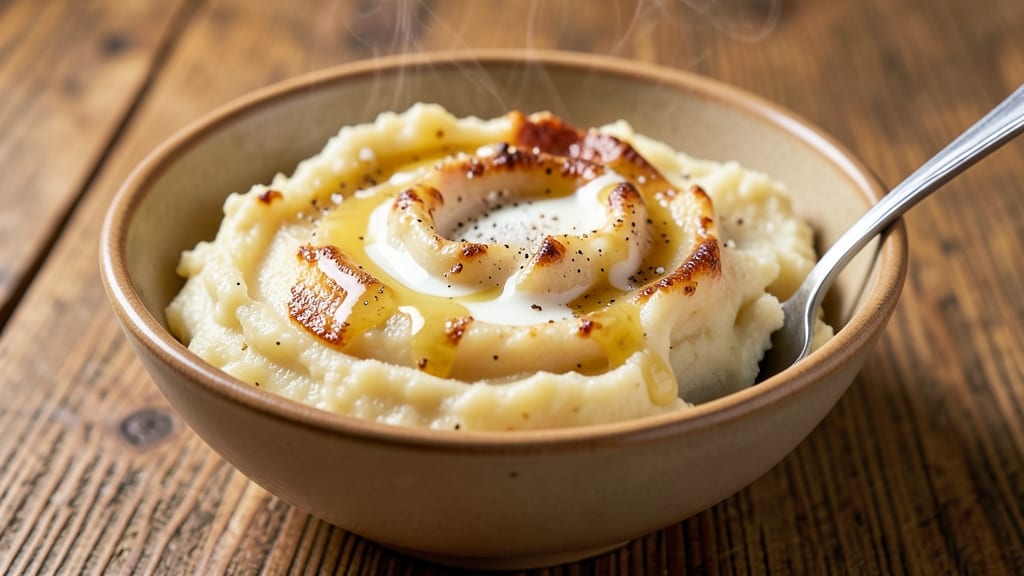
This copycat mashed potatoes recipe delivers the same velvety, buttery perfection you’d find at your favorite restaurant—restaurant-quality texture without the price tag. The secret lies in precise technique: boiling russet potatoes until tender, draining them completely, and whipping them with rich butter and warm milk until silky smooth.
I’ve perfected this method after years of testing, and the result is a dish that’s creamy, flavorful, and impossible to resist.
What sets these mashed potatoes apart is the balance of ingredients—just enough garlic powder for depth, a touch of salt to enhance natural flavor, and real butter (never margarine) for that unmistakable richness. The key step?
Straining the potatoes before mashing ensures no lumps, while whipping them with a hand mixer incorporates air for that signature lightness. This isn’t just a side dish; it’s the kind of mashed potatoes that turn ordinary meals into something special.
By the time you’re done, you’ll have a bowl of mashed potatoes that’s velvety smooth, perfectly seasoned, and bursting with buttery flavor—just like the restaurant versions you love. The consistency is flawless, the taste is indulgent, and the method is straightforward enough for anyone to master.
Whether you’re serving it alongside roasted chicken, steak, or even as a standalone comfort dish, this recipe will elevate your dinner table.
Ready to make mashed potatoes that impress? Here’s everything you need to recreate this foolproof technique at home. The ingredients are simple, but the results are anything but ordinary.
Ingredients for copycat mashed potatoes
Simple ingredients, restaurant-quality results—just butter, milk, and perfect technique.
| Ingredient | Amount | Notes |
|---|---|---|
| Russet Potatoes 🥔 | 2 ½ lb | Medium size, peeled and quartered |
| Unsalted Butter 🧈 | ¾ cup | Cold, cut into small cubes |
| Whole Milk 🥛 | ½ cup | Warm, not hot |
| Garlic Powder 🧄 | ½ tsp | Freshly ground preferred |
| Diamond Crystal Kosher Salt 🧂 | 1 ½ tsp | Adjust to taste |
| Heavy Cream 🥛 | ¼ cup | For extra richness (optional) |
| Freshly Ground Black Pepper 🌶️ | ¼ tsp | Freshly cracked preferred |
| Chicken or Vegetable Broth 💧 | ¼ cup | For extra moisture (optional) |
The potatoes are non-negotiable—russets are your best bet for that fluffy texture. Whole Foods or any grocery store carries them, but look for ones that feel heavy for their size. I always buy a few extra because they keep well in a cool, dark place for up to 2 weeks. Peeled and quartered, they cook faster and more evenly. The butter? Plugrá or Land O’Lakes are solid choices, but grab whatever’s freshest. Never use margarine—this isn’t the time for shortcuts. And warm the milk just enough to melt the butter, but not so hot it cooks the potatoes further.
No heavy cream? Extra milk plus a splash of broth keeps things creamy. Fresh garlic powder makes a difference—Penzeys or Trader Joe’s have great options. If you’re using pre-peeled potatoes, rinse them first to remove excess starch. The salt is key: Diamond Crystal kosher dissolves better than table salt, so stick with it. For a lighter texture, strain the potatoes after boiling—it’s worth the extra minute. And if you’re making this ahead, reheat with a splash of warm milk to restore that velvety consistency.
These keep for 3-4 days in the fridge, but they’re best fresh. For leftovers, store in an airtight container with a layer of plastic wrap pressed right on top to prevent drying. Reheat gently in the microwave, stirring every 30 seconds. Freezing isn’t ideal—they can get gummy—but if you must, portion into containers and freeze for up to 2 months. I always make a double batch because they disappear faster than you’d think, especially when paired with that perfect steak or roasted chicken.
Why You'll Love This Recipe
- The secret’s in the layers: warm butter and whole milk melt into the potatoes while the garlic powder lingers just under the surface. Crispy edges, creamy middle—it’s the kind of texture that makes you pause mid-bite.
- No-Peel Hassle: I swear by Russets here—they’re forgiving, so I skip peeling and just scrub them clean. That saves me 10 minutes of prep time, and honestly? The skin’s too thin to notice anyway.
- Buttery Garlic Magic: The secret’s in the layers: warm butter and whole milk melt into the potatoes while the garlic powder lingers just under the surface. Crispy edges, creamy middle—it’s the kind of texture that makes you pause mid-bite.
- Leftovers? No Problem: These reheat like a dream—just a splash of milk and a stir in the microwave. Between us, I’ve had them cold the next day too (yes, even on a Tuesday night), and they’re still better than store-bought.
Step-by-step instructions for velvety mashed potatoes
Here's how I recreate that luxurious, restaurant-worthy texture at home—every time.
Boil the Potatoes Until Fork-Tender
Place the 2.5 lb russet potatoes in a large pot and cover with cold water by about 2 inches. Add the 1.5 tsp diamond crystal kosher salt to the water. Bring to a rolling boil over high heat, then immediately reduce to medium-high heat. The potatoes are done when they pierce easily with a paring knife and the edges look slightly translucent—this usually takes 15-20 minutes.
Here's the thing—don't skip the salt in the water. It seasons the potatoes from the inside out, and it prevents them from tasting bland even if you adjust seasoning later. I've found that russets need this extra salt because their natural starch content is lower than other varieties.
Drain and Dry Thoroughly
Drain the potatoes immediately in a colander and return them to the pot. Place the pot over medium heat (no oil needed) and shake gently to help evaporate excess moisture. Let them dry for 2-3 minutes—you want them completely dry when you mash them, or your potatoes will turn out gluey.
This drying step is non-negotiable for that silky texture. I like to press down on the potatoes with a wooden spoon to help release any remaining water. If you're in a hurry, you can spread them out on a baking sheet and let them air-dry for 5 minutes, but the stovetop method works just as well.
Mash with Butter and Milk
While the potatoes are still hot, add the 0.75 cup unsalted butter (cut into small cubes) and the 0.5 tsp garlic powder. Use a potato masher or wooden spoon to break up the potatoes, then gradually add the 0.5 cup warm whole milk, mixing as you go. The butter should melt completely and create a creamy base.
I always use warm milk—not hot—because hot milk can cook the potatoes further and make them gummy. The warm temperature is just enough to help emulsify the butter without overworking the starch. Keep mashing until you reach a smooth, lump-free consistency. If you're using a stand mixer, pulse on low speed to avoid developing gluten.
Incorporate Cream and Broth for Richness
Switch to a silicone spatula and gently fold in the 0.25 cup heavy cream and 0.25 cup chicken or vegetable broth. This combination adds luxurious body and prevents the potatoes from being too heavy. The cream gives that signature restaurant richness, while the broth keeps them light and moist.
Taste and adjust seasoning with additional diamond crystal kosher salt or the 0.25 tsp freshly ground black pepper if needed. The potatoes should taste rich but not salty—like they've been simmered with care. Real talk: this is where the magic happens. The cream and broth blend creates that velvety mouthfeel that separates good mashed potatoes from extraordinary ones.
Serve Immediately for Peak Texture
Transfer the mashed potatoes to a serving bowl and give them one final stir. For that restaurant finish, I like to press the potatoes through a fine-mesh sieve to achieve an ultra-smooth texture. This step is optional but makes a noticeable difference in presentation.
Serve immediately while still warm. The potatoes will continue to thicken slightly as they cool, but they'll hold their shape beautifully on the plate. If you're making this ahead, reheat gently in a double boiler or with a splash of warm milk to restore that creamy consistency. Trust me, this method delivers that buttery, velvety texture you crave.
Pro Tips For Making Copycat Mashed Potatoes
- BOIL THEM WHOLE: Peel and drop those Russets into boiling water with their skins—yes, even if you’re peeling them later. I learned this the hard way: peeled potatoes turn to mush faster and absorb water like sponges. Whole potatoes stay firm, peel cleanly, and cook evenly. (Pro move: Use a potato masher to peel them post-cook—no knife mess.)
- SALT THE WATER HARD: Diamond Crystal kosher salt is lighter than table salt, so don’t eyeball it—use 1 tablespoon per 5 pounds of potatoes. I used to skimp, and the results were bland. Salted water infuses flavor into the potatoes themselves, not just the final mash. (And yes, even if you’re adding more salt later.)
- DRY THE POTATOES FIRST: After draining, spread the hot potatoes on a clean towel and rough them up with your hands or a fork. This step removes surface moisture so they absorb butter and milk instead of turning gluey. I was skeptical until I tried it—now I can’t go back. (Works especially well for large batches.)
- WARM THE DAIRY: Heat the whole milk and butter together in a saucepan until steaming (not boiling)—just enough to melt the butter completely. Cold dairy makes gummy mash, and warm dairy blends silky smooth. I used to add cold butter straight from the fridge, and the texture suffered. (Two minutes on low heat fixes everything.)
Wine and beer pairings for this copycat mashed potatoes
White Wine Pairings
A crisp, dry Chardonnay from California or France is my go-to pairing for these mashed potatoes. Look for a unoaked version like Kim Crawford Sauvignon Blanc or La Crema Chardonnay—their bright acidity cuts through the richness while complementing the buttery flavor.
The citrus notes in these wines refresh your palate between bites. 🍷
Red Wine Options
If you prefer red, a light-bodied Pinot Noir works beautifully. I recommend a Willamette Valley Oregon Pinot with its red fruit notes and silky texture—it won’t overpower the delicate mashed potatoes. Avoid heavy reds like Cabernet Sauvignon, which can clash with the dish’s creamy profile.
Beer Pairings
A pilsner or lager like Heineken or Sierra Nevada Pale Ale provides a clean, crisp contrast to the richness. The hoppy bitterness in the pale ale actually enhances the buttery flavor of the potatoes.
For a lighter option, try a Belgian witbier—its citrusy notes pair wonderfully with the garlic powder in the recipe. 🍺
Cider and Sparkling
Dry apple cider like Woodchuck Hard Cider adds a refreshing, slightly tart contrast that balances the dish’s creaminess. For something bubbly, a Prosecco or French Champagne with its crisp acidity elevates the meal to a celebratory level. The effervescence cleanses your palate between bites of buttery potatoes.
Non-Alcoholic Options
For a non-alcoholic pairing, try sparkling water with lemon—it’s refreshing and helps cut through the richness. A ginger beer like Feather Ginger Beer adds a spicy kick that complements the garlic powder.
For something richer, a vanilla chai latte made with whole milk mirrors the creamy texture of the potatoes. ✨
Nutrition facts
Frequently asked questions
Why do restaurant-style mashed potatoes turn out so much creamier than homemade ones?
Restaurant chefs use a few key tricks: straining the potatoes after boiling removes excess starch, and they whip the mixture with a hand mixer to incorporate air for lightness. Also, they often use a blend of milk and cream (like in this recipe) for that signature velvety texture. The drying step after draining is another game-changer—it prevents gluey results.
Can I make these mashed potatoes ahead of time?
Yes, but with a catch! They’re best fresh, but you can prep them 1 day ahead by storing in an airtight container with plastic wrap pressed directly on the surface. Reheat gently with a splash of warm milk or broth, stirring until creamy. For leftovers, microwave in 30-second bursts, stirring between each to restore texture. Freezing isn’t ideal—they can get gummy—but if you must, freeze for up to 2 months.
What’s the best way to fix lumpy mashed potatoes?
Don’t panic! If your potatoes are lumpy, try this: Add a splash of warm milk or broth and mash again with a hand mixer. For stubborn lumps, press the mixture through a fine-mesh sieve for a silky finish. The key to preventing lumps is draining and drying potatoes thoroughly before mashing. Also, avoid overworking the mixture—just a few pulses with a mixer is all you need.
Can I substitute heavy cream with something else?
Swap the 0.25 cup heavy cream with an extra 0.25 cup warm milk plus 1 tablespoon melted butter for a lighter version. For a dairy-free option, use full-fat coconut milk (it adds richness) or a mix of cashew cream and broth. Just remember, cream gives that signature restaurant richness—so if you’re going for authenticity, stick with it!
How do I keep mashed potatoes from drying out?
Store them in an airtight container with plastic wrap pressed directly on the surface to trap moisture. Reheat gently with a splash of warm milk or broth—never microwave dry. For serving, cover the bowl with a damp paper towel while reheating. If they’ve already dried out, stir in a little warm milk or broth and whip briefly to restore creaminess. The secret is minimizing air exposure at all stages.