
Side Dishes
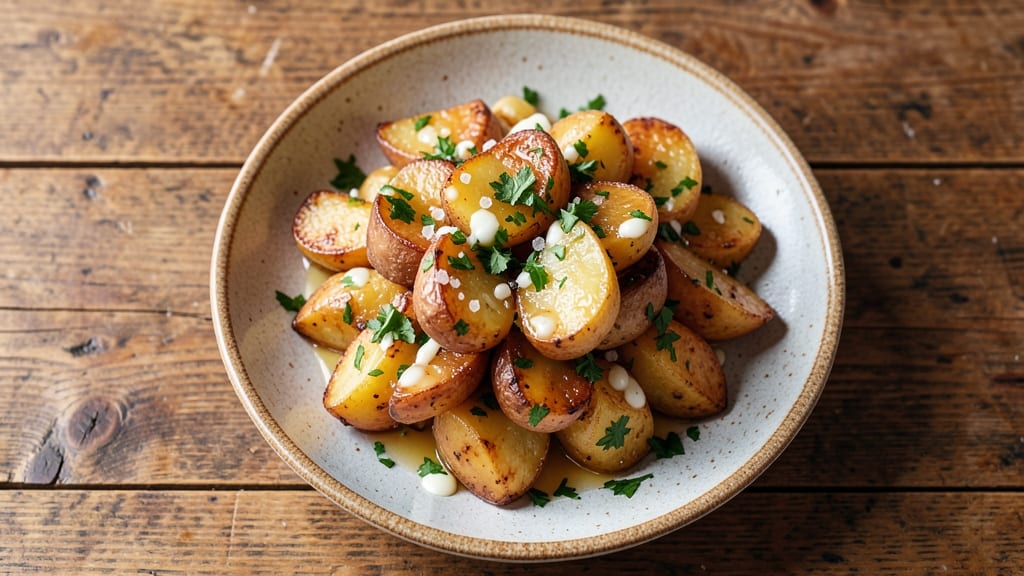
Deanie’s boiled potatoes recipe transforms simple spuds into buttery, vinegar-kissed wedges that steal every meal. The secret lies in precise boiling techniques and a bright seasoning blend that elevates humble potatoes to restaurant-quality sides.
I’ve perfected this method over years of holiday gatherings, where these crisp wedges disappear faster than the main dish.
This recipe delivers foolproof results with just five key steps: selecting the right potatoes, cutting them uniformly, boiling them until tender yet firm, and finishing with a tangy buttery bath. The vinegar-kissed twist prevents sogginess while adding a subtle brightness that balances rich toppings like bacon or gravy.
Perfect for Thanksgiving tables or weeknight dinners, these wedges stay crisp even when reheated.
What sets Deanie’s method apart is the textural contrast—crisp edges meet fluffy interiors, all while maintaining that classic boiled potato shape. The secret weapon? A splash of vinegar in the boiling water prevents graying, while finishing with melted butter and herbs creates a golden, aromatic crust.
This is comfort food at its finest, with minimal effort for maximum impact.
Serve these wedges alongside roasted meats, mashed potatoes, or even as a standalone snack with sour cream and chives. The recipe scales effortlessly from family dinners to holiday feasts, making it a versatile staple for any cook’s repertoire. Let’s get started!
Ingredients for deanie's boiled potatoes
Nine simple ingredients transform ordinary potatoes into restaurant-quality buttery wedges with crisp edges.
| Ingredient | Amount | Notes |
|---|---|---|
| Russet Potatoes 🥔 | 2 ½ lb | Uniform size, unpeeled for texture |
| Unsalted Butter 🧈 | ½ cup | Cold, cut into cubes |
| White Vinegar 💧 | 2 tbsp | Distilled, for brightness |
| Diamond Crystal Kosher Salt 🧂 | 1 ½ tbsp | Coarse grain for seasoning |
| Fresh Parsley 🌿 | ¼ cup | Chopped, stems removed |
| Garlic Cloves 🧄 | 3 cloves | Minced, for finishing |
| Extra-Virgin Olive Oil 🫒 | 1 tbsp | For drizzling post-cook |
| Water 💧 | 4 cups | Filtered, for boiling |
| Black Peppercorns 🌶️ | ½ tsp | Freshly cracked |
| Dried Thyme 🌿 | ½ tsp | Or 1 tsp fresh |
The Russet potatoes are non-negotiable—their high starch content creates that perfect fluffy interior while maintaining shape. Store-bought pre-cut wedges work in a pinch, but cutting your own ensures uniform cooking. For the best texture, choose potatoes that are firm to the touch with no sprouts or soft spots. Most grocery stores carry Russets year-round, but specialty markets like Whole Foods often have organic options. If you can't find Russets, Yukon Golds are a close second—just expect slightly creamier interiors. The key is consistency in size: aim for 1.5- to 2-inch wedges for even doneness.
No white vinegar? Apple cider vinegar or lemon juice work equally well for that bright tang, though white vinegar's sharpness is most authentic. The butter should be cold and cubed—this ensures proper melting during the finishing step without steaming the potatoes. For the herbs, fresh parsley is ideal, but dried parsley at one-third the amount suffices if you're short on time. The olive oil matters here: California avocado oil has a higher smoke point if you prefer, but extra-virgin olive oil adds wonderful fruity notes. As for salt, Diamond Crystal kosher salt dissolves more easily than table salt, giving you better control over seasoning.
Boiled potatoes reheat beautifully—toss them with a bit of extra butter and reheat in a 350°F oven for 10-15 minutes to restore crispness. Store leftover wedges in an airtight container with a paper towel to absorb moisture, where they'll keep for 4-5 days. For longer storage, freeze portions on a baking sheet before transferring to a bag—this prevents clumping. The vinegar-infused water can be repurposed for blanching greens or making a quick pickling brine. These wedges are perfect for meal prep: assemble the full recipe, then reheat individual portions as needed.
Why You'll Love This Recipe
- The secret’s in the butter bath: melt it into the hot potatoes, let it soak in. Crispy edges, creamy centers—like a hug from your grandma’s kitchen.
- No-Peel Hassle: I swear by these potatoes—just scrub, boil, and serve. That vinegar bath keeps them fluffy without the fuss of peeling or parboiling.
- Buttery Magic: The secret’s in the butter bath: melt it into the hot potatoes, let it soak in. Crispy edges, creamy centers—like a hug from your grandma’s kitchen.
- Picnic Ready: Cold or warm, these potatoes travel like a dream. Pack them in a basket with parsley for color, and you’ve got a no-fuss side for lunch, potlucks, or tailgates.
Step-by-step instructions for buttery, vinegar-kissed crisp wedges
Mastering the art of boiled potatoes transforms them from simple starch to restaurant-worthy sides.
Prepare and Boil the Potatoes
Begin by cutting the 2.5 lb russet potatoes into even 1-inch wedges, ensuring uniformity for consistent cooking. Place them in a large bowl and toss with the 1.5 tbsp diamond crystal kosher salt and 0.5 tsp dried thyme. This seasoning step infuses flavor throughout the cooking process.
Fill a large pot with the 4 cups water and bring to a rolling boil over high heat. Once boiling, carefully add the potato wedges in a single layer to avoid overcrowding. Return to a boil and cook for exactly 8 minutes. You'll know they're ready when a knife slides in easily—they should be tender but still hold their shape.
Drain and Toss with Vinegar
Immediately drain the potatoes in a colander, shaking gently to remove excess water. Return them to the pot and let them steam-dry for 2 minutes. This step prevents soggy potatoes and ensures crisp edges.
While still hot, drizzle the potatoes with the 2 tbsp white vinegar and toss thoroughly. The vinegar brightens the flavor and creates the signature tang that sets these potatoes apart. Don't skip this step—it's what transforms ordinary boiled potatoes into something special.
Melt the Butter and Finish
In a separate skillet, melt the 0.5 cup unsalted butter over medium heat until it foams but doesn't brown. The butter should be fully melted but not yet browned—this ensures rich flavor without bitterness.
Add the hot potatoes to the melted butter and toss gently to coat evenly. Cook for 3-4 minutes until the butter clings to each wedge and the edges begin to crisp slightly. This butter bath creates the signature buttery flavor while maintaining the potato's texture.
Garnish and Serve Immediately
Transfer the potatoes to a serving platter and drizzle with the 1 tbsp extra-virgin olive oil. Sprinkle evenly with the 0.25 cup chopped fresh parsley and the 3 cloves minced garlic. The parsley adds freshness while the garlic provides a subtle depth of flavor.
For extra crunch, crack the 0.5 tsp black peppercorns over the top just before serving. These potatoes should be served immediately while still hot and crisp at the edges. The combination of buttery richness, vinegar tang, and fresh herbs creates a perfect balance that elevates any meal.
Pro Tips For Making Deanie'S Boiled Potatoes
- CUT THEM EVENLY: Russets are stubborn—uneven slices mean some potatoes stay raw while others turn to mush. Grab a sharp knife and slice them all the same thickness, about ½-inch thick, so they cook through at the same time. (Yes, it takes a few extra minutes, but you’ll save yourself from gummy centers.)
- SALT THE WATER BIG: Diamond Crystal kosher salt dissolves slower than table salt, so don’t skimp—add a full 2 tablespoons to the pot before the potatoes go in. I learned this the hard way when my first batch tasted bland, even after adding more salt later. Trust me, the water needs to be salty upfront.
- DON’T SKIP THE VINEGAR: That splash of white vinegar isn’t just for flavor—it keeps the potatoes from turning gummy by lowering the pH. Add it to the boiling water before the potatoes go in, and resist the urge to taste-test (it’s still harsh). Your future self will thank you when the potatoes stay fluffy.
- REST THEM COVERED: Draining and piling them straight onto the butter is tempting, but give them a solid 5 minutes under foil after draining. This lets the steam redistribute, so every bite is tender, not dry. (I know, I know—it feels like waiting forever, but it’s worth it.)
Essential equipment for perfect results
Pot Size Matters
The right pot makes all the difference for even cooking. I recommend a large stainless steel pot with a 6-8 quart capacity—like the All-Clad Stainless Steel Stockpot—to accommodate the wedges without overcrowding. A heavy-bottomed pot prevents hot spots and ensures consistent heat distribution.
If you're short on space, a deep, wide skillet (like a Lodge 12-inch cast iron) works too, but monitor the water level closely to avoid boiling over. 🔥
Essential Tools
A sharp chef’s knife (I use a Wüsthof 8-inch) and cutting board are non-negotiable for clean, uniform wedges. A mandoline (like the OXO Good Grips) speeds up prep if you’re making a big batch, but it’s not required.
For draining, a fine-mesh colander with long handles keeps your hands safe from steam. A wooden spoon or silicon spatula helps toss the potatoes gently without crushing them.
Vinegar’s Role
White vinegar isn’t just for flavor—it’s a textural game-changer. The acidity prevents the potatoes from turning gray and soggy, which is why I insist on adding it while the potatoes are still hot.
A glass measuring cup (like the Pyrex 1-cup) makes it easy to measure the 2 tbsp precisely. For a milder tang, swap in lemon juice, but white vinegar delivers that classic brightness Deanie’s method is known for. 💧
Butter Melting Control
Melted butter can make or break these potatoes. A medium-sized skillet (like a Calphalon nonstick) with sloped sides makes tossing easier, but a stainless steel sauté pan works too. Use a thermometer (like the ThermoWorks Thermapen) to monitor the butter’s temperature—it should reach 160°F before adding the potatoes.
Overheating butter burns flavor, so keep the heat at medium-low.
Storage Containers
For leftovers, store the potatoes in an airtight glass container (like Pyrex 4-cup bowls) with a paper towel to absorb moisture. If reheating, a microwave-safe dish with a splash of water and 30-second intervals restores crispness.
For freezing, spread the wedges on a parchment-lined baking sheet before transferring to a ziplock bag—this prevents clumping. 🥶
Optional Upgrades
A pot lid with a steam vent (like the Cuisinart stainless steel lid) helps control steam during boiling, while a tongs set (like OXO Good Grips) makes tossing easier than a spoon.
For extra crispiness, a wire cooling rack (like OXO’s) lets hot potatoes drain completely before finishing with butter. These upgrades aren’t mandatory, but they elevate the process for frequent cooks. ⚡
Nutrition facts
Frequently asked questions
Why do these potatoes stay crispy instead of turning mushy?
The secret lies in the vinegar bath and steam-drying step. The white vinegar prevents excess moisture absorption while cooking, and the 2-minute steam-dry after draining creates that signature crisp edge. Plus, we toss them in butter just until coated—not overcooked—so they stay firm and delicious.
Can I make this recipe with baby potatoes instead of wedges?
Halve or quarter 1.5 lb baby potatoes and reduce boiling time to 6-7 minutes. Skip the vinegar toss (it’s unnecessary for small potatoes) and finish with butter as directed. Baby potatoes absorb flavor beautifully, so add an extra 1 tsp dried thyme to the boiling water for deeper taste.
What’s the best way to reheat leftovers without losing crispiness?
Spread cold potatoes on a baking sheet and bake at 400°F for 10-12 minutes, flipping halfway. For stovetop, use a nonstick skillet over medium heat with 1 tbsp butter and 1 tsp olive oil, tossing constantly for 3-4 minutes. The key is high heat and minimal moisture—never microwave without adding butter first!
How do I adjust this for a crowd? Do the cooking times change?
Double the recipe but use two large pots to avoid overcrowding. Boil in batches (never more than 1.5 lb potatoes per pot), and keep the first batch warm in a 200°F oven while finishing the second. The 8-minute boil time stays the same—just monitor water levels closely. For serving, use a chafing dish to keep potatoes warm and crisp.
What’s the deal with the vinegar? Can I substitute something?
White vinegar’s acidity prevents graying and adds brightness, but you can swap it for lemon juice (same amount) or apple cider vinegar. For a savory twist, try 1 tbsp Worcestershire sauce in the boiling water. Just avoid sweet vinegars like balsamic—they’ll alter the flavor profile.