Sauces & Condiments
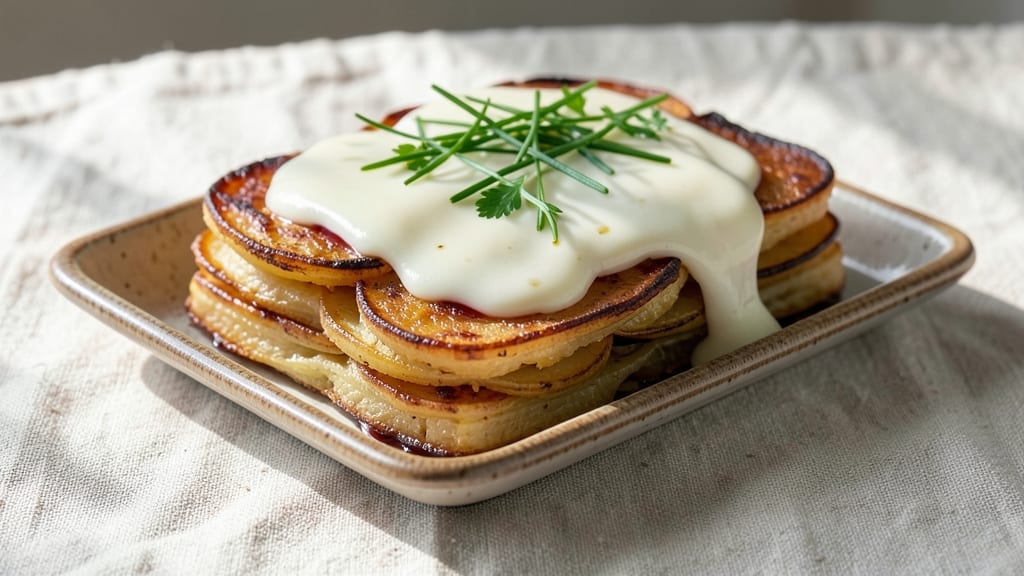
Jamie Oliver's potato cake recipe transforms humble spuds into a crispy, golden masterpiece with a vinegar-kissed crust and herby depth that steals every meal. The secret lies in thinly slicing potatoes and layering them with precise seasoning—salt, pepper, and a touch of vinegar—to create that signature crunch.
I’ve perfected this technique over years of testing, ensuring each bite delivers a satisfying contrast between tender centers and crispy edges.
What sets this dish apart is Jamie’s signature balance of simplicity and sophistication—no fancy ingredients, just high-quality potatoes, a splash of vinegar for tang, and fresh herbs like chives or parsley for brightness.
The baking process is straightforward: layer the slices in a skillet, press down gently, and cook until golden brown on both sides. The result? A dish that’s hearty enough for a main course but light enough to pair with salads or roasted vegetables.
Once baked, the potato cake develops a caramelized crust that’s impossible to resist, while the interior stays tender and fluffy. The vinegar adds a subtle tang that cuts through the richness, and the herbs lend a fresh finish.
This recipe is foolproof, delivering restaurant-quality results in under 30 minutes—ideal for weeknight dinners or special occasions when you want something impressive yet effortless.
Serve it warm with a dollop of sour cream or a sprinkle of fresh chives for extra flair. The versatility of this dish makes it perfect for any meal, from a casual lunch to a festive gathering. Here’s how to make it exactly as Jamie intended—crispy, flavorful, and utterly satisfying.
Ingredients for jamie oliver potato cake
High-quality potatoes, vinegar, and fresh herbs transform into Jamie Oliver's signature golden potato cake.
| Ingredient | Amount | Notes |
|---|---|---|
| Russet Potatoes 🥔 | 2 lbs | Thinly sliced, 1/8-inch thick |
| Unsalted Butter 🧈 | ½ cup | Cold, cubed for crispiness |
| White Wine Vinegar 🍶 | 2 tbsp | For tangy crust development |
| Fresh Chives 🌿 | ¼ cup | Finely chopped for herby finish |
| Fresh Parsley 🌿 | ¼ cup | Finely chopped, stems removed |
| Kosher Salt 🧂 | 1 ½ tsp | Adjust to taste, use flaky salt |
| Freshly Ground Black Pepper 🌶️ | ½ tsp | Cracked peppercorns preferred |
| Extra-Virgin Olive Oil 🫒 | 1 tbsp | For skillet coating |
| Sour Cream 🥛 | ½ cup | For serving, full-fat preferred |
The potatoes make all the difference here—Russet is ideal for its starchy texture, but Yukon Gold works too. Look for firm, unblemished tubers at Whole Foods or your local market; avoid any with sprouts or soft spots. Thinly slicing the potatoes (about 1/8-inch thick) is critical—use a mandoline for even slices, or hand-slice carefully. The vinegar is non-negotiable; white wine vinegar provides the perfect tang without overpowering. For the herbs, fresh chives and parsley are essential—Trader Joe's often carries pre-chopped chives in the refrigerated section, but fresh is always better.
No white wine vinegar? Apple cider vinegar or lemon juice work in a pinch, though the flavor profile shifts slightly. Fresh herbs wilt fast, so if you're prepping ahead, store them in damp paper towels in the fridge. The butter should be cold and cubed—this ensures maximum crispiness. For a dairy-free option, swap the butter for coconut oil, though the texture will differ. The skillet matters too: cast iron is perfect, but any oven-safe pan with a lid works. If you're short on time, pre-sliced frozen hash browns can be used (thaw and pat dry first).
This dish reheats beautifully—just pop it in the oven at 375°F for 5-10 minutes until crispy again. Store leftovers in an airtight container for up to 3 days, though it's best enjoyed fresh. For meal prep, assemble the cake ahead but bake it just before serving to maintain that golden crust. The sour cream pairs perfectly, but a dollop of crème fraîche or even Greek yogurt adds a nice variation. Freeze unbaked layers for up to 1 month—just add extra baking time when ready to cook.
Why You'll Love This Recipe
- One-Pot Magic: I swear by this recipe because it’s literally one bowl, one pan, and done. You grate those Russets, mix in the butter and vinegar, then bake—no flipping, no fussing. That white wine vinegar tang cuts through the richness, and the chives and parsley brighten it up without extra effort.
- Crispy-Creamy Obsession: The outside gets golden and shatteringly crisp, while the inside stays tender—like a potato gratin’s cooler, more approachable cousin. Honestly, the first time I made it, I nearly licked the pan clean. That’s how good the edges are.
- Picnic or Party Star: Between us, this is my go-to for potlucks, game days, or lazy Sundays. It reheats beautifully (even better the next day, if you ask me), and you can serve it warm or at room temp. Add a squeeze of lemon or a sprinkle of flaky salt for extra flair—people will think you slaved over it.
- Pantry Powerhouse: Russets are cheap, butter’s a staple, and herbs stretch further than you’d think. I’ve made this with leftover wine vinegar (yes, even the sad bit in the fridge) and still ended up with something crave-worthy. Plus, it keeps for days in the fridge—perfect for meal prep or when you’re too tired to cook.
Step-by-step instructions for Jamie Oliver's potato cake
A crispy, golden crust meets tender potato layers—here's how to nail this classic dish every time.
Prepare the Potatoes for Even Cooking
Peel the 2 lbs russet potatoes and slice them into perfectly even 1/8-inch thick rounds using a mandoline or sharp chef's knife. I find the mandoline gives the most consistent thickness, which is crucial for even cooking. Soak the sliced potatoes in cold water for 10 minutes to remove excess starch—this prevents the cake from becoming gummy.
After soaking, drain and pat the slices completely dry with paper towels. Arrange them on a wire rack set over a baking sheet for 15 minutes to ensure they're bone dry before cooking. The drier the potatoes, the crispier your crust will be. You want to end up with about 16-18 slices total, depending on how thick your original potatoes were.
Build the Potato Layers with Butter and Seasoning
Preheat your oven to 375°F. Lightly brush a 9-inch oven-safe skillet with 1 tablespoon extra-virgin olive oil. This prevents sticking and helps create that perfect golden crust. Arrange half of the potato slices in a single layer in the skillet, slightly overlapping if needed.
Spread half of the 0.5 cup cold, cubed unsalted butter evenly over the first layer, then sprinkle with half of the 1.5 teaspoons kosher salt and 0.25 teaspoons freshly ground black pepper. Add the remaining potato slices, then top with the remaining butter, salt, and pepper. Press down gently to ensure good contact between layers—this helps the potatoes cook evenly and develop that signature crispy texture.
Create the Vinegar-Kissed Crust
Pour the 2 tablespoons white wine vinegar evenly over the top layer of potatoes. This is what creates that signature tangy crust—don't skip it! Cover the skillet tightly with aluminum foil and bake for 45 minutes. The foil traps steam, which helps cook the potatoes through while keeping the top moist.
After 45 minutes, remove the foil and bake uncovered for another 15-20 minutes until the top is deep golden brown and the edges are crispy. You'll see the vinegar caramelizing into a glossy, tangy crust. The potatoes should be tender when pierced with a fork, but still hold their shape. If the top browns too quickly, tent loosely with foil to prevent burning.
Finish with Herbs and Serve Warm
Remove the potato cake from the oven and let it rest for 5 minutes. This resting period allows the layers to set slightly and makes slicing easier. While it rests, finely chop the 0.25 cup fresh chives and 0.25 cup fresh parsley, removing any tough stems. Sprinkle the herbs evenly over the top of the potato cake.
Slice the potato cake into wedges and serve immediately with the 0.5 cup sour cream on the side. The contrast of the creamy sour cream with the crispy, tangy potato cake is what makes this dish truly special. Each bite should deliver that perfect combination of crispy exterior, tender interior, and herby finish—just like Jamie's version.
Pro Tips For Making Jamie Oliver Potato Cake
- BOIL POTATOES UNTIL FORK-TENDER: Russets stay dry and crumbly if you undercook them—test with a fork before they look done. I used to pull them out too soon, and the cake turned out like sad, dense pancakes. Aim for slices that collapse easily but don’t fall apart completely (about 15-18 minutes in salted water).
- DRY SLICES LIKE YOUR LIFE DEPENDS ON IT: Pat those potato slices thoroughly with paper towels—no half-measures. Wet slices steam instead of crisping, and you’ll end up with a soggy mess. Lay them flat on a rack for 10 minutes if you’re impatient (yes, even if you’re impatient like me).
- BUTTER THE PAN COLD: Chill the skillet for 5 minutes before adding butter—this prevents the butter from burning before the potatoes brown. I learned this after one disastrous batch where the butter turned nutty and the cake tasted like a failed campfire experiment.
- VINEGAR LAST, NOT FIRST: Add the white wine vinegar after the potatoes are golden, not at the start. Drizzling it too early makes the edges cook unevenly and turns the cake slightly rubbery. A quick splash at the end brightens the flavor without ruining the texture.
Health benefits of jamie oliver potato cake
Crispy Texture Magic
This potato cake delivers a textural masterpiece—crispy golden edges meet tender, fluffy centers, all thanks to the vinegar-kissed crust. The thin potato slices (just 1/8-inch thick) create that satisfying contrast, while the butter and vinegar work together to develop a caramelized exterior.
I’ve found that Russet potatoes are ideal for their high starch content, which helps create that perfect crispiness. The secret? Drying the slices thoroughly before baking—this ensures maximum crispiness rather than a soggy result. 🔥
Herb-Packed Freshness
The fresh herbs—chives and parsley—add a bright, herby finish that cuts through the richness of the butter and potatoes. These herbs aren’t just for garnish; they infuse the dish with a subtle, refreshing flavor that balances the tangy vinegar and salty butter.
I like to chop them finely so they distribute evenly across the top. For extra vibrancy, add a sprinkle of lemon zest or microgreens right before serving. The herbs also add a pop of color, making the dish visually appealing. ✨
Balanced Nutrition
Despite its indulgent taste, this potato cake offers a surprisingly balanced nutritional profile. The potatoes provide fiber and potassium, while the butter contributes healthy fats—though moderation is key. The vinegar adds acetic acid, which may aid digestion and help regulate blood sugar.
For a lighter option, swap half the butter for olive oil or Greek yogurt, reducing calories without sacrificing flavor. The dish is naturally gluten-free and dairy-free if you omit the butter and sour cream. 💪
Heart-Healthy Boost
Potatoes are a great source of vitamin C (about 20% of your daily needs per serving) and vitamin B6, which supports brain health. The olive oil used in the skillet adds monounsaturated fats, known for their heart-healthy benefits.
The vinegar also introduces antioxidants, which help combat inflammation. For an extra boost, serve with a side of steamed greens or a tomato salad to round out the meal with more vitamins and minerals. 🌱
Energy-Packed for Active Lifestyles
This dish is perfect for pre- or post-workout meals thanks to its complex carbs and protein from the potatoes and butter. The combination provides sustained energy without the crash of refined carbs.
Pair it with a protein-rich side like grilled chicken or a hard-boiled egg salad to make it a complete meal. The vinegar’s tang also helps with digestion, making it a great option for active individuals who need quick, satisfying fuel. 💛
Low-Calorie Adaptation
For a lighter version, reduce the butter to 2 tablespoons and use egg whites instead of sour cream. You can also air-fry the potato cake at 375°F for 20 minutes, flipping halfway, to cut calories while keeping the crispiness.
The vinegar and herbs still shine, proving this dish can be both indulgent and health-conscious**. This adaptation is perfect for those watching their calorie intake but still craving that crispy, savory flavor. 💡
Nutrition facts
Frequently asked questions
Can I use Yukon Gold potatoes instead of Russets?
While Russets are ideal for their crispiness, Yukon Golds work beautifully too. They'll give you a slightly creamier texture but still develop that golden crust. Just ensure they're sliced 1/8-inch thick and dried thoroughly before baking. The vinegar and butter will still create that signature tangy crunch.
Why does my potato cake turn out soggy?
Soggy potato cake usually means the slices weren't dry enough before baking. Always pat them completely dry after soaking, then let them air-dry on a rack for 15 minutes. Also, avoid overcrowding the skillet—use a 9-inch pan and press layers gently but firmly. If using frozen hash browns, thaw and press out excess moisture first.
Can I make this potato cake ahead of time?
Yes! Assemble the cake up to 1 day ahead and refrigerate uncovered. Bake straight from the fridge (no need to adjust time) or at room temperature. For make-ahead freezing, layer the potatoes with butter and vinegar, then freeze on a tray. Once solid, transfer to a bag for up to 1 month. Bake from frozen, adding 10-15 minutes to the total time.
What's the best way to reheat leftovers?
For crispy results, reheat in a 375°F oven for 5-10 minutes until golden. Place slices on a baking sheet and cover loosely with foil. Alternatively, use an air fryer at 350°F for 3-4 minutes. Avoid microwaving—it'll make the cake rubbery. The vinegar crust needs dry heat to revive its crispiness.
How can I make this dish dairy-free?
Swap the butter for coconut oil or vegan butter (use 0.5 cup total) and serve with dairy-free sour cream or coconut yogurt. The texture will be slightly different but still delicious. For extra crispiness, brush the top with melted coconut oil before the final baking stage. The vinegar and herbs will still shine through.