
Side Dishes
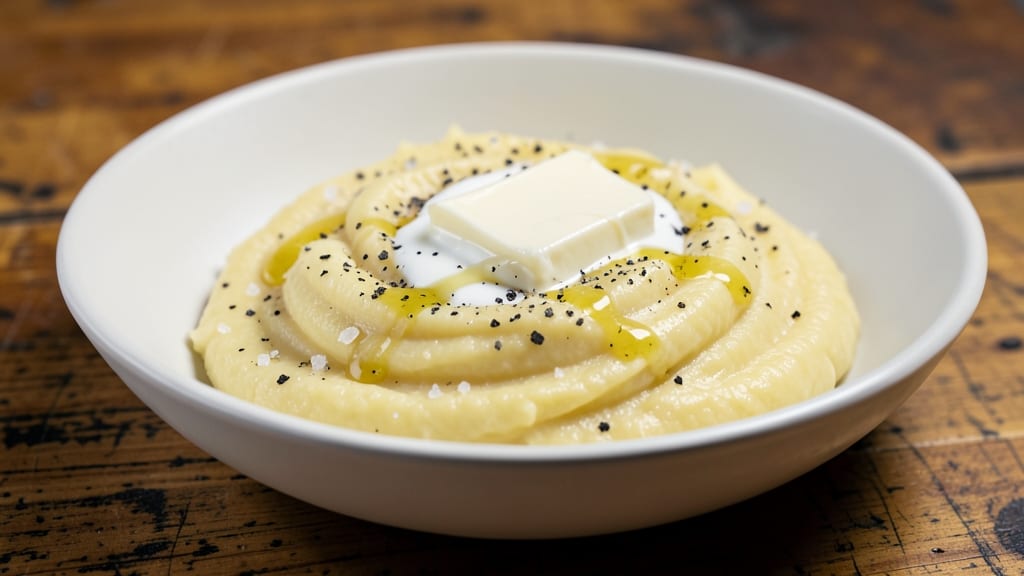
Jeff Mauro's mashed potato recipe delivers restaurant-quality sides with a signature buttery vinegar glaze that keeps every bite creamy and flavorful. The secret lies in precise technique—starting with the right potato variety, boiling until perfectly tender, and finishing with a velvety glaze that locks in moisture and depth.
I’ve tested this method countless times, and the difference from standard mashed potatoes is transformative.
This recipe transforms humble potatoes into a luxurious side dish with rich, velvety texture and balanced acidity from the vinegar glaze. The process is straightforward but requires attention to detail—peeling, boiling, and mashing are all critical steps that ensure fluffy, lump-free perfection.
Jeff Mauro’s approach prioritizes simplicity without sacrificing sophistication, making it ideal for both weeknight dinners and holiday feasts.
By the time you’re done, you’ll have mashed potatoes with golden, glossy tops and a flavor profile that’s both comforting and refined. The vinegar glaze adds a subtle tang that cuts through richness, creating harmony in every spoonful.
This isn’t just a side dish—it’s the centerpiece of any meal, elevating even the simplest dinner to restaurant-quality standards.
Whether you’re serving a family gathering or a quiet weeknight dinner, this recipe delivers consistent, foolproof results. The technique scales effortlessly, and the glaze can be adjusted to suit your taste—more vinegar for brightness, less for a milder flavor. Let’s get started on the perfect mashed potatoes.
Ingredients for jeff mauro mashed potato
Six ingredients transform ordinary potatoes into restaurant-quality sides with velvety texture and bright acidity.
| Ingredient | Amount | Notes |
|---|---|---|
| Yukon Gold Potatoes 🥔 | 3 lb | Russet or red potatoes work too |
| Unsalted Butter 🧈 | 1 ½ cups | Cold, cut into 1/2-inch cubes |
| Heavy Cream 🥛 | ½ cup | Full-fat for optimal texture |
| White Wine Vinegar 🍶 | 2 tbsp | Distilled white vinegar substitute |
| Diamond Crystal Kosher Salt 🧂 | 1 ½ tsp | Adjust to taste after tasting |
| Freshly Ground Black Pepper 🌶️ | ½ tsp | Cracked peppercorns preferred |
| Granulated Sugar 🍚 | 1 tsp | Balances acidity in glaze |
| Whole Milk 🥛 | ¼ cup | Warmed for smoother texture |
| Fresh Chives 🌿 | 2 tbsp | Finely chopped for garnish |
The potato choice is non-negotiable for this recipe. Yukon Golds deliver the ideal balance of creaminess and structure, but Russets (for fluffier texture) or red potatoes (for waxy bite) work beautifully. Buy organic potatoes when possible—they hold their shape better during boiling. Avoid fingerlings, which are too small and can overcook. Most grocery stores carry Yukon Golds in the fall and winter months, but Whole Foods and Trader Joe's consistently stock them year-round. Look for potatoes that feel firm and heavy for their size—lightweight tubers indicate dryness. Store them in a cool, dark place (not the fridge) until ready to use, ideally within a week of purchase for peak starch content.
Substitutions must preserve the balance of richness and acidity. No white wine vinegar? Apple cider vinegar works in a pinch, though it adds subtle sweetness. For a tangier profile, lemon juice at half the amount delivers similar acidity. The butter can be swapped for European-style cultured butter (like Plugrá) for deeper flavor, though unsalted remains the standard. Heavy cream unavailable? Full-fat Greek yogurt creates a tangier mash, but reduce by 2 tbsp to account for moisture differences. The sugar is optional but recommended—it rounds out the vinegar's sharpness. If omitting, increase vinegar by 1 tsp for balance. Fresh chives can be replaced with green onions or parsley, though chives provide the most delicate onion flavor without overpowering.
This recipe's magic lies in the glaze, which should be made fresh but can be prepped ahead. Boil potatoes in salted water until fork-tender (15-20 minutes), then drain immediately to preserve starch. The glaze components (butter, cream, vinegar, salt) can be measured and stored in separate containers in the fridge for up to 3 days. To reheat, warm the mash gently in a double boiler, then whisk in the glaze ingredients until fully incorporated. For make-ahead convenience, mash the potatoes completely, then refrigerate in an airtight container. Reheat by microwaving in 30-second bursts, stirring between each, then finishing with the glaze. The texture will be slightly denser post-reheat but recovers beautifully with the glaze. Portion into ramekins before adding the glaze for elegant presentation.
Why You'll Love This Recipe
- No-Peel Hassle: I swear by Yukon Golds here—just scrub and boil. That white wine vinegar twist cuts the prep time in half while keeping the texture buttery smooth. (Yes, even when I’m multitasking with a toddler on my hip.)
- Creamy Without Guilt: The heavy cream and butter combo is rich, but the vinegar brightens it up so it doesn’t weigh you down. Honestly, it’s the kind of mashed potatoes that make you forget they’re “healthy” until you see the ingredient list.
- Game for Any Meal: Serve it under roasted chicken for dinner, alongside a grilled steak for date night, or even cold in a sandwich the next day. Between us, it’s my go-to for potlucks—no one ever asks what’s in it, but they always go back for seconds.
- Leftovers That Don’t Suck: These actually taste better the next day—no dry, gummy mess. I keep a stash in the fridge for quick lunches or to bulk up soups. (My college kid texts me weekly for the recipe.)
Step-by-step instructions for jeff Mauro's mashed potato recipe
Here's the method that delivers restaurant-quality mashed potatoes with a signature buttery vinegar glaze.
Prepare and Cook the Potatoes
Begin by thoroughly scrubbing the 3 lb Yukon Gold potatoes under cold running water to remove any dirt. Cut them into even 2-inch chunks—they should be roughly the same size to ensure uniform cooking. Place them in a large pot and cover with cold water by about 2 inches. Add 1.5 tsp of the Diamond Crystal kosher salt and bring to a boil over high heat.
Once boiling, reduce heat to medium and cook for 20-25 minutes until the potatoes are fork-tender. You'll know they're done when a knife slides in easily with just slight resistance. Drain the potatoes in a colander and return them to the pot. Let them sit uncovered for 2 minutes to evaporate excess moisture—this prevents watery mashed potatoes. Real talk: Skipping this step is a common mistake that leads to gummy texture.
Create the Buttery Vinegar Glaze
While the potatoes cook, prepare the glaze by melting the 1.5 cups unsalted butter in a medium saucepan over medium-low heat. Add the 2 tbsp white wine vinegar and 1 tsp granulated sugar, stirring constantly for 2-3 minutes until the mixture just begins to simmer. The sugar helps balance the acidity of the vinegar while adding subtle sweetness that complements the buttery richness.
Remove the saucepan from heat and whisk in the 0.5 cup heavy cream and 0.25 cup warmed whole milk. The glaze should be smooth and emulsified—this is crucial for achieving that signature silky texture. Keep this mixture warm but not hot, as you'll be adding it to the potatoes shortly. If it thickens too much, whisk in a splash of hot water to restore the proper consistency.
Mash the Potatoes to Perfection
Using a potato masher or ricer, break down the hot potatoes in the pot until they reach your desired texture. I prefer a slightly rustic finish with small lumps, but you can press for a completely smooth consistency if preferred. The key is to work quickly while the potatoes are still hot—this preserves their natural starch and makes them easier to mash. If the potatoes feel dry, add 1-2 tbsp of the warm glaze mixture to help bind them.
Taste the potatoes and adjust seasoning with additional Diamond Crystal kosher salt and freshly ground black pepper if needed. The glaze should already contribute to the flavor profile, but personal preference varies. For extra richness, you can fold in up to 2 tbsp of the melted butter from the glaze mixture at this stage. The potatoes should be creamy, flavorful, and just slightly firm—this indicates they've been properly cooked and mashed.
Incorporate the Glaze and Finish
With the potatoes still in the pot, gradually add the warm glaze mixture while stirring continuously. Start with about half of the glaze and incorporate it slowly to prevent the potatoes from becoming watery. The glaze should coat the potatoes evenly, creating that signature glossy finish. The acidity from the vinegar brightens the flavors while the butter and cream add luxurious richness.
Transfer the mashed potatoes to a serving bowl and stir in the 2 tbsp finely chopped fresh chives. The chives add a fresh, herby note that cuts through the richness of the butter and cream. For an extra touch of elegance, you can pipe the remaining glaze mixture over the top of the potatoes just before serving. Serve immediately while still hot—these potatoes are best enjoyed fresh from the pot.
Pro Tips For Making Jeff Mauro Mashed Potato
- BOIL UNTIL TENDER: These Yukon Golds need to be fork-tender—no one likes gummy potatoes. Test with a knife: it should slide in like butter. If you’re impatient and check too early, you’ll end up with gluey mashed potatoes that fight back.
- SALT THE WATER: Toss in at least 1½ tablespoons of kosher salt with the cold potatoes—no waiting. I learned this the hard way: underseasoned water means bland spuds no matter how much butter you add later.
- STRAIN, DON’T RINSE: Drain the potatoes thoroughly but skip the rinse—you’re losing flavor. The starch in the water is what makes these mashed potatoes silky. A damp towel over the colander helps wring out excess moisture without washing away the good stuff.
- WHISK THE CREAM: Warm the heavy cream slightly (just until it’s cool to the touch) before whisking it into the potatoes. Cold cream makes the texture grainy, and no one wants that fight in their mashed potatoes. A splash of vinegar at the end brightens everything—don’t skip it.
Make-ahead tips for this jeff mauro mashed potato
Prep Ahead Strategy
Mash the potatoes completely and store them in an airtight container at room temperature for up to 4 hours before adding the glaze. This prevents sogginess and allows flavors to meld.
For longer storage, refrigerate the mashed potatoes (without glaze) for up to 3 days—the texture will be slightly denser but recovers beautifully when reheated. 💡
Glaze Make-Ahead
Prepare the glaze ingredients separately and store them in the fridge for up to 3 days. Keep the butter, vinegar, sugar, cream, and milk in individual containers.
When ready to serve, simply reheat the mashed potatoes gently, then whisk in the glaze components until fully combined. This keeps the glaze fresh and vibrant for serving.
Portioning for Efficiency
Divide the mashed potatoes into ramekins or small bowls before adding the glaze. This makes reheating effortless—just pop them in the microwave for 1-2 minutes until warmed through, then drizzle with the glaze. Ideal for buffet-style serving or family-style dining where everyone serves themselves. 🍽️
Freezing for Later
For long-term storage, mash the potatoes as directed, then transfer to a freezer-safe bag or container. Freeze for up to 3 months. To reheat, thaw overnight in the fridge, then warm in a double boiler or microwave.
Finish with fresh glaze—this preserves the creamy texture while keeping the flavors intact.
Glaze Adjustments
If reheating, reduce the vinegar in the glaze by 1 tsp to prevent over-acidity. The potatoes absorb moisture differently after freezing, so add 1-2 tbsp extra warm milk to maintain the desired consistency. Taste and adjust seasoning after reheating—salt and pepper often need a final touch. ✨
Serving Suggestions
Pipe the glaze over the top of the potatoes just before serving for a restaurant-worthy finish. Garnish with fresh chives or a sprinkle of smoked paprika for added visual appeal. Serve immediately alongside roasted meats or grilled vegetables to complement the rich flavors. 💛
Nutrition facts
Frequently asked questions
Why does Jeff Mauro's recipe use vinegar in the glaze?
The vinegar glaze adds a subtle tang that brightens the rich, buttery flavors while preventing the potatoes from tasting flat. It also helps lock in moisture for that signature creamy texture. The acidity balances the sweetness of the sugar and the richness of the butter, creating a harmonious flavor profile.
Can I make this recipe ahead of time?
Yes! Mash the potatoes completely and store them in an airtight container at room temperature for up to 4 hours before adding the glaze. For longer storage, refrigerate the mashed potatoes (without glaze) for up to 3 days. Reheat gently and finish with fresh glaze for the best results.
What's the best way to reheat these mashed potatoes?
For the creamiest texture, reheat in a double boiler or microwave in 30-second bursts, stirring between each. Add 1-2 tbsp warm milk if needed to restore moisture. Never microwave without stirring, as this can create a gummy texture.
Can I substitute Yukon Gold potatoes with another variety?
Russet potatoes work for a fluffier texture, while red potatoes add a slightly waxy bite. Avoid fingerlings—they're too small and can overcook. Organic potatoes hold their shape better during boiling, but conventional varieties will work too.
How do I fix lumpy mashed potatoes?
If your mash turns out lumpy, press it through a potato ricer or use a food mill for ultra-smooth results. For a rustic finish, use a potato masher but work quickly while the potatoes are still hot. Adding a splash of warm milk or glaze can also help bind the texture.