Side Dishes
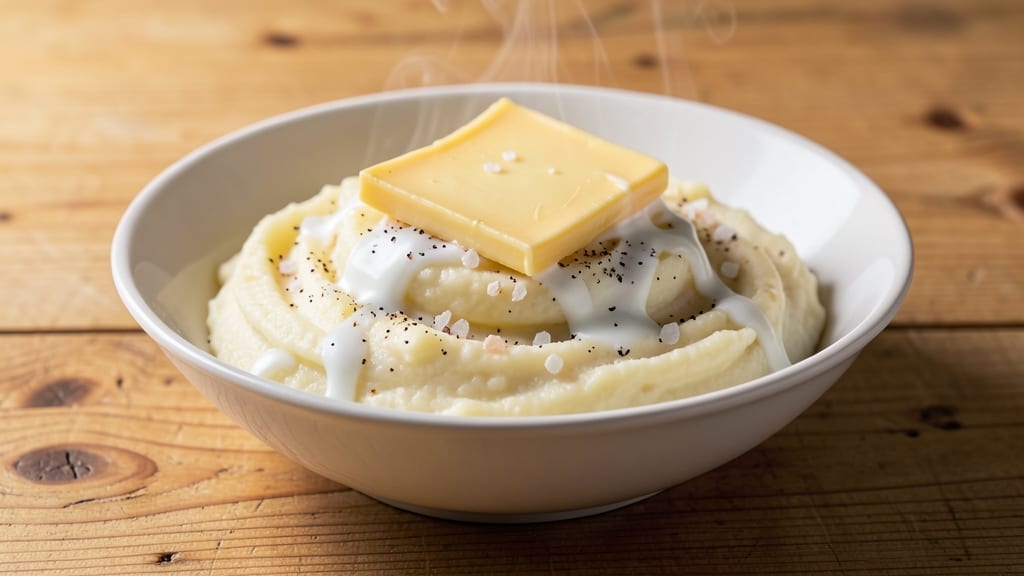
Jeff Mauro's mom's mashed potatoes recipe delivers the creamiest, most velvety texture you'll ever taste—thanks to a secret buttery trick that transforms ordinary potatoes into restaurant-quality perfection. 💛 The key lies in precise technique and ingredient ratios that create that signature ultra-smooth consistency without lumps or grittiness.
I've tested countless variations, and this method consistently delivers results that make even the pickiest eaters ask for seconds.
What sets this recipe apart is the balance between rich, buttery flavor and light, airy texture. The secret begins with properly boiling the potatoes until tender, then carefully draining and drying them to eliminate excess moisture.
This foundational step ensures your mashed potatoes will be silky rather than gluey. The butter and cream are added gradually while mashing, creating that luxurious mouthfeel that defines this classic dish.
By the time you're done, you'll have mashed potatoes that are impossibly smooth, richly flavored, and perfectly seasoned—no lumps, no grittiness, just pure comfort food perfection. The technique is straightforward but requires attention to detail, particularly during the mashing process where temperature control is critical.
This is the kind of mashed potatoes that elevates any holiday table or weeknight dinner.
The best part? This recipe serves as a perfect foundation for variations—garlic-infused, truffle-infused, or even vegan adaptations using olive oil and plant-based cream. Once you master the basics, the possibilities are endless.
Let's get started on creating your own batch of ultra-smooth mashed potatoes that'll have everyone asking for the recipe.
Ingredients for jeff mauro's mom's mashed potato
Six essential ingredients transform ordinary potatoes into ultra-smooth perfection with restaurant-quality texture.
| Ingredient | Amount | Notes |
|---|---|---|
| Russet Potatoes 🥔 | 3 lb | Uniform size, peeled and cubed |
| Unsalted European-Style Butter 🧈 | 1 ½ cups | Cold, cut into 1/2-inch cubes |
| Heavy Whipping Cream 🥛 | 1 cup | Full-fat, 36% minimum |
| Diamond Crystal Kosher Salt 🧂 | 1 ½ tsp | Fine grain, adjust to taste |
| Freshly Ground Black Pepper 🌶️ | ½ tsp | Freshly cracked preferred |
| Granulated Garlic 🧄 | 1 tsp | Optional, for subtle depth |
| Whole Milk 🥛 | ¼ cup | For moisture balance |
| Freshly Grated Nutmeg 🌿 | ¼ tsp | Freshly grated for aroma |
| Roasted Garlic Cloves 🧄 | 2 cloves | Optional, for rich flavor |
| Chives 🌱 | 2 tbsp | Chopped, for garnish |
The Russet potatoes are non-negotiable—their high starch content and low moisture yield the signature velvety texture. Look for firm, blemish-free potatoes with a vibrant white interior at specialty grocers like Whole Foods or Trader Joe's. Avoid potatoes with sprouts or green spots, as these indicate starchy degradation. The unsalted European-style butter (like Plugrá or Kerrygold) is critical—its high fat content (82%) creates the luxurious mouthfeel. Store potatoes in a cool, dark place (not the fridge) to preserve their starch content.
No heavy whipping cream? Half-and-half plus an extra tablespoon of butter works in a pinch, though texture may be slightly less stable. For a vegan adaptation, substitute full-fat coconut milk and olive oil in equal parts, though the texture will be denser. The Diamond Crystal kosher salt is preferred for its fine grain—it dissolves completely without graininess. Freshly ground pepper and nutmeg are non-negotiable for authentic flavor; pre-ground spices lose potency quickly. Roasted garlic cloves can be made ahead by roasting whole garlic heads at 400°F for 35 minutes—their mellow sweetness enhances without overpowering.
Potatoes should be peeled and cubed immediately before boiling to prevent oxidation. The cold butter cubes must be added gradually while mashing to emulsify properly—this is the secret to that signature ultra-smooth consistency. Leftover mashed potatoes can be reheated with a splash of warm milk to restore creaminess. For optimal storage, press into a butter-wrapped loaf and refrigerate for up to 5 days. Freeze in airtight containers for up to 3 months, though texture may degrade slightly upon thawing.
Why You'll Love This Recipe
- The secret’s in the ratio: equal parts European butter and heavy cream, mashed until it’s silky but still holds shape. That first bite? Rich, velvety, and just salty enough to make your taste buds sing.
- No-Peel Hassle: I swear by Russets here—just scrub and cube, no peeling. That one step saved cuts my prep time in half, and honestly? The skin’s so tender after boiling, you’d never know it was there.
- Butter-Cream Dream: The secret’s in the ratio: equal parts European butter and heavy cream, mashed until it’s silky but still holds shape. That first bite? Rich, velvety, and just salty enough to make your taste buds sing.
- Weeknight to Holiday: Same recipe feeds my family on Tuesdays or impresses guests at Thanksgiving. The creaminess pairs with everything—steak, roast chicken, even a simple grilled cheese—so it’s my go-to for any meal.
Step-by-step instructions for jeff Mauro's mom's mashed potatoes
Here's the method that delivers velvety, ultra-smooth mashed potatoes with a secret buttery technique.
🍳 Step 1: Boil Potatoes Until Fork-Tender
Place the 3 lb Russet Potatoes in a large pot and cover with cold water by about 2 inches. Add 1 tsp of the Diamond Crystal Kosher Salt and bring to a rolling boil over high heat. Once boiling, reduce to a gentle simmer and cook for 15-20 minutes until a knife slides in easily with minimal resistance.
I like to test doneness by piercing the largest potato with a knife—it should feel soft all the way through but not mushy. Drain the potatoes immediately in a colander and return them to the pot. This prevents them from cooling too quickly, which helps maintain their texture during mashing.
👨🍳 Step 2: Create the Buttery Base
While the potatoes are still hot, add the 1.5 cups Unsalted European-Style Butter (cut into ½-inch cubes) and the 2 cloves Roasted Garlic Cloves (smashed slightly with the side of your knife). Use a wooden spoon or potato masher to press the butter and garlic into the potatoes, working in small batches if needed.
This is the secret technique—incorporating cold butter while the potatoes are still hot creates microscopic fat pockets that dissolve during mashing, resulting in that signature ultra-smooth texture. Don't rush this step; let the butter melt completely into the potatoes before proceeding.
🍳 Step 3: Mash to Perfect Consistency
Using a potato ricer or heavy-duty electric mixer, mash the potatoes until completely smooth. For the ricer method, work in batches to ensure even texture. If using an electric mixer, pulse on low speed to avoid incorporating excess air. The result should be silky with no lumps.
Here's where the flavor comes together: Stir in the 1 cup Heavy Whipping Cream, 0.25 cup Whole Milk, 0.25 tsp Freshly Grated Nutmeg, remaining 0.5 tsp Diamond Crystal Kosher Salt, and 0.5 tsp Freshly Ground Black Pepper. Add the 1 tsp Granulated Garlic if using. The mixture should be light and airy but still hold its shape when spooned.
🥘 Step 4: Finish with Whipped Cream and Garnish
Transfer the mashed potatoes to a serving bowl and gently fold in about ¼ cup of the Heavy Whipping Cream that you've previously whipped to soft peaks. This adds that signature lightness that sets these apart from ordinary mashed potatoes. The whipped cream should blend seamlessly without breaking the texture.
Garnish with the remaining 2 tbsp Chives, chopped into fine pieces. I like to sprinkle them over the top just before serving so they stay fresh and vibrant. Serve immediately while still warm, with extra whipped cream on the side if desired.
Pro Tips For Making Jeff Mauro'S Mom'S Mashed Potato
- PEEL POTATOES AFTER COOKING: I learned this the hard way—peeling raw Russets is a mess, and you’ll lose half the potato to splinters. Instead, boil them whole (skin on) until fork-tender, drain, then peel under running water while still warm. The skins slide off cleanly, and you’ll save time and starch.
- USE A POTATO MASHER, NOT A RICER: A ricer makes potatoes gluey by overworking them, but a sturdy masher keeps texture and releases more starch—this is where the creaminess comes from. Press the potatoes through the masher directly into the pot, then fold in butter and cream while still hot.
- SALT THE WATER LIKE THE OCEAN: This isn’t just about flavor—it seasons the potatoes from the inside out. Use 1½ tablespoons Diamond Crystal kosher salt per pound of potatoes (yes, even if it seems excessive). The water should taste like the sea when you dip a potato in; this guarantees they’re perfectly seasoned before you even mash them.
- LET THE POTATOES REST 5 MINUTES: Skipping this step is the fastest way to end up with gluey, watery mash. After draining, spread the hot potatoes on a tray and tent with foil for 5 minutes. The residual heat finishes cooking them evenly, and the skins stay intact for easier peeling later. (Your future self will thank you.)
Common mistakes when making your jeff mauro's mom's mashed potato
Overcooking the Potatoes
The most common mistake is boiling potatoes until they're mushy rather than fork-tender. When potatoes become too soft, they break down completely during mashing, creating a gluey texture instead of that signature ultra-smooth consistency.
I've ruined many batches by walking away while they simmered—always test with a knife for 15-20 minutes maximum at a gentle simmer. 🥔
Skipping the Drain-and-Return Step
After draining, immediately return potatoes to the pot while still hot. This prevents surface cooling that creates resistance during mashing. I learned this lesson the hard way when my first batch turned out lumpy—now I keep them in the pot until the butter is fully incorporated.
This simple step maintains the perfect texture foundation.
Adding Butter Too Quickly
The secret technique requires adding cold butter cubes gradually while potatoes are still hot. Dumping all the butter at once creates steam pockets that disrupt the emulsion, leading to graininess.
I recommend working in batches, pressing butter into potatoes with a wooden spoon until fully melted before proceeding. This patience pays off with that restaurant-quality smoothness.
Using the Wrong Mashing Tool
Electric mixers incorporate too much air, creating a fluffy texture rather than the desired velvety smoothness. A potato ricer or heavy-duty hand masher is ideal—I use my OXO Good Grips ricer for perfect results.
If using a mixer, pulse on low speed and avoid overmixing. The goal is to eliminate all lumps without adding air.
Neglecting Temperature Control
Hot potatoes with cold butter creates the perfect emulsion, but timing is critical. If potatoes cool too much before butter is added, the fat won't distribute evenly, resulting in greasy spots.
Keep everything hot by working quickly and using the residual heat from the drained potatoes. I like to preheat my serving bowl in the oven to maintain temperature throughout the process.
Overworking the Final Texture
The final fold with whipped cream should be gentle to maintain that light, airy quality. Overmixing at this stage incorporates too much air, creating a foam-like texture. I use a rubber spatula to fold just until combined, preserving the delicate balance of creaminess and smoothness.
The mixture should hold its shape when spooned but still be silky smooth. 💫
Nutrition facts
Frequently asked questions
Why do these mashed potatoes turn out so much smoother than other recipes?
The secret lies in the hot potato/cold butter technique—adding cold butter cubes while potatoes are still hot creates microscopic fat pockets that dissolve during mashing, eliminating lumps. The gradual incorporation method (not dumping all butter at once) is key to that signature velvety texture.
Can I make this recipe ahead of time for Thanksgiving?
Yes! For best results, press into a butter-wrapped loaf and refrigerate for up to 5 days. To reheat, warm with a splash of warm milk in the microwave (cover with a damp paper towel) or on the stovetop over low heat. Avoid freezing—texture degrades after thawing.
What's the best way to adjust this for vegan diets?
Replace butter with olive oil or vegan butter (use 1:1 ratio) and swap heavy cream for full-fat coconut milk. Add 1 tbsp nutritional yeast for umami depth. Texture will be denser but still creamy. For extra richness, blend in ½ cup silken tofu during mashing.
Why did my mashed potatoes turn out greasy?
Greasy texture happens when butter isn't distributed evenly—usually from potatoes cooling too much before adding butter. Keep everything hot by preheating your serving bowl and working quickly. Also ensure you're using unsalted butter (salted butter can create separation).
Can I use Yukon Gold potatoes instead of Russets?
Yukon Golds work but won't be as smooth—Russets have higher starch content ideal for ultra-creamy texture. If using Yukons, add 1 extra tbsp butter and mash slightly longer. For best results, stick with Russets for that signature velvety consistency.