Side Dishes
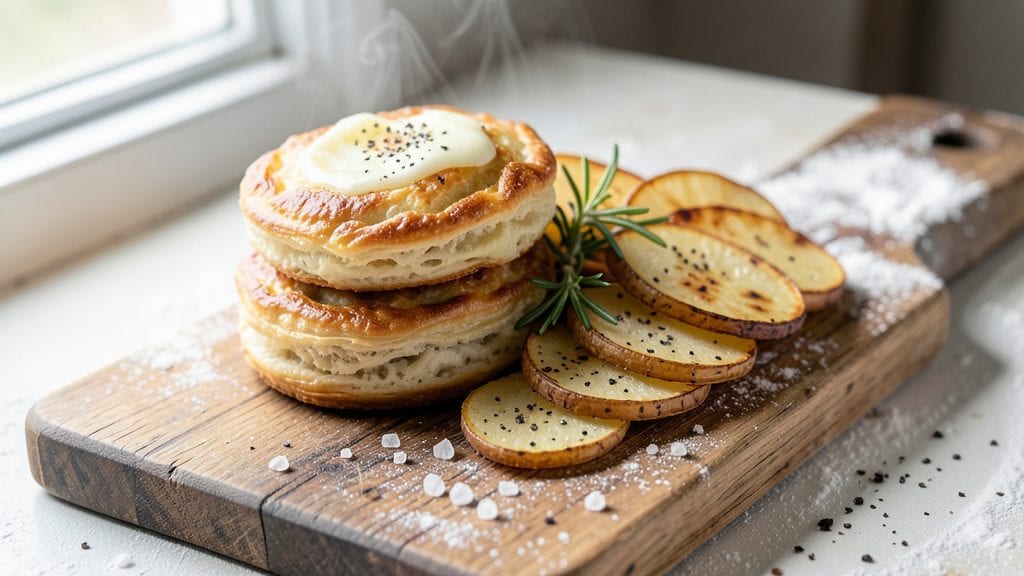
This potato biscuit recipe delivers the perfect balance of flaky layers and buttery crunch that makes every bite irresistible. After years of perfecting the technique, I've developed a method that ensures tender, melt-in-your-mouth centers with crispy, golden-brown edges—no shortcuts, just precise steps.
The secret lies in cold butter and proper mixing, which creates those signature air pockets that make these biscuits stand out from standard recipes.
What sets these apart is the addition of grated potato, which adds moisture and a subtle sweetness while keeping the texture light and airy.
With just 10 simple ingredients and 30 minutes of active time, you'll have a batch of biscuits ready to serve alongside breakfast, dinner, or even as a side for chili or soup.
The dough comes together quickly, and the baking process is foolproof once you master the right temperature and timing.
By the time they emerge from the oven, you'll have biscuits with layers so delicate they practically dissolve on your tongue, paired with a buttery crust that's crisp enough to hold up to gravy or jam.
This recipe has become a staple in my kitchen—whether I'm serving them warm with honey butter or using them to soak up every drop of Sunday dinner gravy. The versatility is what makes them a must-have in any cook's repertoire.
For those who love customization, you can easily adapt these biscuits for sweet or savory variations—add a touch of cinnamon for a breakfast twist or sprinkle with herbs for a heartier side. The method remains the same, but the possibilities are endless. Let's get started on creating your perfect batch!
Ingredients for potato biscuit
Ten simple ingredients, precise steps—flaky, buttery perfection every time.
| Ingredient | Amount | Notes |
|---|---|---|
| All-Purpose Flour 🌾 | 2 cups | Sifted for light texture |
| Cold Unsalted Butter 🧈 | ½ cup | Cut into small cubes |
| Russet Potatoes 🥔 | ½ lb | Grated, skin removed |
| Baking Powder 🍞 | 2 tbsp | Aluminum-free preferred |
| Coarse Kosher Salt 🧂 | 1 tsp | For seasoning |
| Black Pepper 🌶️ | ½ tsp | Freshly ground preferred |
| Whole Milk 🥛 | ½ cup | Cold for best texture |
| Fresh Chives 🌿 | 2 tbsp | Chopped, optional garnish |
| Granulated Sugar 🍚 | 1 tbsp | For subtle sweetness |
| Cornmeal 🌽 | 2 tbsp | For baking sheet coating |
The butter is non-negotiable here. Use cold, unsalted butter cut into small cubes—it melts just enough to create those signature layers without turning greasy. Land O'Lakes or Plugrá are my go-tos, but any good-quality brand works. For the potatoes, Russet or Yukon Gold are ideal—their starchiness keeps the biscuits tender. I always grate mine fresh (no pre-grated—it gets watery) and squeeze out excess moisture with a clean towel. The flour? King Arthur or Bob's Red Mill are reliable choices, but any all-purpose will do. Sift it first—this step can't be skipped if you want that light, airy texture.
No cold butter? Freeze your butter cubes for 15 minutes to mimic the effect. Short on potatoes? Sweet potato works too, but it'll add more moisture. The baking powder is crucial—aluminum-free is key for proper rise. If you're out, baking soda plus cream of tartar (1 tsp each) is a 1:1 swap. Want extra flavor? Swap half the milk for buttermilk. The chives are optional but add a nice fresh finish—fresh or dried works, just halve the dried amount. For a savory twist, skip the sugar entirely.
This dough is best used immediately, but you can prep it ahead. Shape and freeze the biscuits on a tray, then transfer to a bag for up to 3 months. Bake straight from frozen, adding 2-3 minutes. For storage, keep baked biscuits wrapped at room temp for 2 days or freeze for 3 months. Reheat in a 350°F oven for 5 minutes to restore crispness. Pro tip: Sprinkle extra cornmeal on your baking sheet—it prevents sticking and makes cleanup a breeze.
Why You'll Love This Recipe
- No Fuss, No Fail: I swear by these—just grate potatoes, mix with flour, and bake. No rolling, no shaping, no stress. The dough comes together like a dream, and even if you overwork it, the butter keeps them forgiving.
- Crispy-Creamy Magic: That first bite? Flaky, golden crust with a tender, almost custardy center—thanks to the russets and cold butter. It’s the kind of texture that makes you reach for seconds without thinking.
- Weeknight Sidekick: Breakfast, brunch, or dinner? They’re my go-to for soaking up gravy, smothering in eggs, or just munching straight from the oven. Honestly, I’ve even used them as a base for open-faced sandwiches when I’m lazy.
- Budget Stretch: Russets are cheap, flour’s a pantry staple, and a stick of butter goes a long way. I make a double batch, freeze half, and pull them out whenever I need a quick, filling side—no wasted ingredients, just pure comfort.
Step-by-step instructions for flaky potato biscuits
Here's how to create those legendary flaky layers using the ingredients you've gathered.
Cook and Grate the Potatoes
Start by peeling the 0.5 lb russet potatoes and cutting them into small, even chunks. Place them in a small pot and cover with cold water by about 1 inch. Bring to a boil over medium-high heat, then immediately reduce to medium-low heat and simmer for 10-12 minutes until fork-tender but not falling apart.
Drain the potatoes thoroughly in a colander, then transfer them to a clean kitchen towel. Gently squeeze out all excess moisture—this step is critical for flaky biscuits. Let them cool slightly, then grate them using the large holes of a box grater. You should have about 1 cup of grated potato (if less, your biscuits may be too dense).
Mix Dry Ingredients for Maximum Flakiness
In a large mixing bowl, combine the 2 cups all-purpose flour, 2 tbsp baking powder, 1 tsp coarse kosher salt, 0.5 tsp black pepper, and 1 tbsp granulated sugar. Whisk gently to distribute the baking powder evenly—this ensures even rising. Real talk: don't skip sifting the flour if you can, but if you're mixing by hand, just make sure there are no lumps.
Add the 1 cup grated potato to the dry ingredients and mix with a fork until just combined. The potato adds moisture and creates those signature flaky layers. Here's the thing—don't overmix. Just until the potato is evenly distributed and small dry pockets remain.
Cut in the Cold Butter
Add the 0.5 cup cold unsalted butter (cut into small cubes) to the dry mixture. Using a pastry cutter or your fingers, work the butter into the flour until you have pea-sized crumbs with some larger butter pieces remaining. This is what creates those beautiful flaky layers when baked.
I press down gently on the mixture during this step—this prevents the butter from melting too quickly. You're looking for a texture similar to coarse cornmeal with some floury bits. If the mixture starts to look like wet sand, add 1-2 tablespoons more flour to keep it workable.
Add Milk and Chives for Binding
Pour in the 0.5 cup cold whole milk all at once and gently stir with a fork until just combined. The dough should come together but still feel slightly shaggy—this is perfect. Add the 2 tbsp chopped fresh chives and mix until evenly distributed throughout.
Turn the dough out onto a lightly floured surface and gently pat it into a 1-inch thick rectangle. Fold it in half like a book, then fold it in half again. This creates layers that will separate beautifully when baked. Pat the dough into a 1-inch thick rectangle again—don't press too hard or you'll compact the layers.
Cut and Bake for Golden Perfection
Preheat your oven to 425°F and line a baking sheet with parchment paper. Sprinkle the 2 tbsp cornmeal evenly over the parchment—this prevents sticking and adds to the crispy bottom. Using a 2.5-inch round cutter, cut out biscuits from the dough and place them on the prepared baking sheet, leaving 1 inch between each.
Bake for 12-15 minutes until the biscuits are deep golden brown on top and the edges are set. You'll see the tops puff up dramatically—this is when you know they're ready. If you're worried about burning, check at the 12-minute mark. For extra crispiness, you can brush the tops with melted butter after baking.
Serve warm with honey butter or your favorite gravy. These biscuits should be light enough to melt in your mouth with those signature flaky layers you've been promised. If any biscuits don't puff up, they're still delicious—just cut them open to reveal the secret flaky layers inside.
Pro Tips For Making Potato Biscuit
- Boil Potatoes Until Fork-Tender: Russets should collapse like butter when pierced—not just soft on the outside. I learned this the hard way after serving biscuits with a slightly springy center that felt like chewing on regret. Drain immediately and let them steam-dry in the colander for 2 minutes. That residual heat evaporates extra moisture, which keeps your dough from turning gummy.
- Cut Butter into Flour Like You Mean It: Use a pastry cutter or your fingers to work cold butter into flour until the mixture resembles coarse crumbs with pea-sized butter pieces. Stop when you see one slightly larger lump—overworking it turns biscuits into sad, dense pancakes. Cold butter is non-negotiable; if it melts, chill the dough for 15 minutes before shaping.
- Skip the Overmixing Trap: Fold in the mashed potatoes and baking powder just until combined—think "damp flour" stage, not a smooth batter. Every extra stir activates gluten, and that’s how you end up with hockey pucks instead of flaky layers. Wet your hands slightly to prevent sticking, but don’t press the dough. Gently pat it into the pan.
- Bake Until Golden, Not Just Set: Your oven’s hot spots are real, so rotate the pan halfway through baking at 425°F (20-25 minutes). The tops should be deep golden brown, almost crackly—like toasted bread crust, not pale biscuit skin. If they’re browning too fast, tent with foil for the last 5 minutes to keep them tender inside.
Pro cooking tips for perfect results
Cold Butter Technique
The secret to flaky potato biscuits starts with cold, cubed butter—never softened or melted. I cut my ½ cup unsalted butter into ½-inch cubes and freeze them for 15 minutes before using. This ensures the butter melts slowly during baking, creating those signature layers.
Use your fingers or a pastry cutter to work the butter into the flour until you get pea-sized crumbs with some larger pieces remaining. Press down gently during this step to prevent premature melting. 🧈
Gentle Mixing Matters
Overmixing is the enemy of flaky biscuits—it develops gluten and makes them tough. Once you add the ½ cup cold milk, stir just until the dough comes together. It should look shaggy and slightly dry, not smooth.
For extra flakiness, I fold the dough in half twice before cutting, creating built-in layers that separate beautifully in the oven. Turn the dough out onto a lightly floured surface and handle it as little as possible. ⚡
Potato Prep Precision
Grated potato adds moisture and tenderness, but excess liquid ruins texture. After boiling and draining, I wrap the potatoes in a clean kitchen towel and squeeze out every drop of moisture. For ½ lb russet potatoes, you should end up with about 1 cup grated potato.
If using pre-grated potatoes, rinse them thoroughly to remove excess starch. The potato should be cool before mixing—warm potatoes release more moisture and can make the dough sticky. 🥔
Baking Sheet Setup
Prevent sticking with a cornmeal-coated baking sheet. Sprinkle 2 tbsp cornmeal evenly on parchment paper before placing biscuits. This creates a crispy bottom and makes cleanup effortless. I preheat my oven to 425°F for 10 minutes before baking to ensure even heat distribution.
For extra crispiness, brush the tops with melted butter immediately after baking. 🔥
Cutting for Perfect Shapes
Use a 2.5-inch round cutter for classic biscuit shapes, but you can also try a 3-inch cutter for larger portions. Press straight down without twisting—this ensures even thickness. Leave 1 inch between biscuits on the sheet for proper air circulation.
For extra flakiness, I sometimes cut the dough into rectangles before folding it again before the final bake. 💫
Timing and Temperature
Bake for 12-15 minutes at 425°F until the tops are deep golden brown. The biscuits should puff up dramatically—this is when they're ready. If they brown too quickly, tent with foil.
For even cooking, rotate the baking sheet halfway through. The internal temperature should reach 190°F at the center. Serve immediately while still warm for the best texture. 🌡️
Nutrition facts
Frequently asked questions
Why do potato biscuits turn out dense instead of flaky?
Overmixing the dough develops gluten, which makes biscuits tough. Stop mixing as soon as the dough comes together—it should look shaggy, not smooth. Also, ensure your butter is cold (not softened) and work it into the flour until you have pea-sized crumbs with some larger pieces remaining. Excess moisture from potatoes or milk can also cause density—squeeze grated potatoes thoroughly and use cold milk.
Can I make potato biscuits without a round cutter?
Use a glass, bowl, or even a knife to cut 2.5-inch circles. For a rustic look, cut rectangles or triangles. Press straight down without twisting to maintain even thickness. If you don’t have a cutter, fold the dough in half twice before cutting to create built-in layers for extra flakiness.
How do I store or reheat leftover potato biscuits?
Keep baked biscuits wrapped at room temperature for up to 2 days or freeze for 3 months. To reheat, place them on a baking sheet and warm at 350°F for 5 minutes until crispy again. For extra freshness, store shaped biscuits (before baking) in the freezer for up to 3 months—bake straight from frozen, adding 2-3 minutes to the cooking time.
What’s the best way to add cheese or herbs to potato biscuits?
For cheese, fold ½ cup shredded cheddar or Parmesan into the dough after mixing in the milk. For herbs, add 1 tbsp chopped rosemary or thyme with the chives. Avoid adding too much liquid-rich ingredients (like cream cheese) or the dough may become sticky. Test with 1 tbsp at a time to maintain texture.
Can I substitute sweet potatoes for russets in this recipe?
Yes, but expect a slightly sweeter flavor and more moisture. Use ½ lb sweet potatoes and boil them until very tender (15-18 minutes). Drain and squeeze out excess moisture thoroughly—sweet potatoes release more liquid than russets. Reduce the sugar to ½ tbsp if you prefer a less sweet biscuit. The texture will still be tender but may be slightly denser.