
Sauces & Condiments
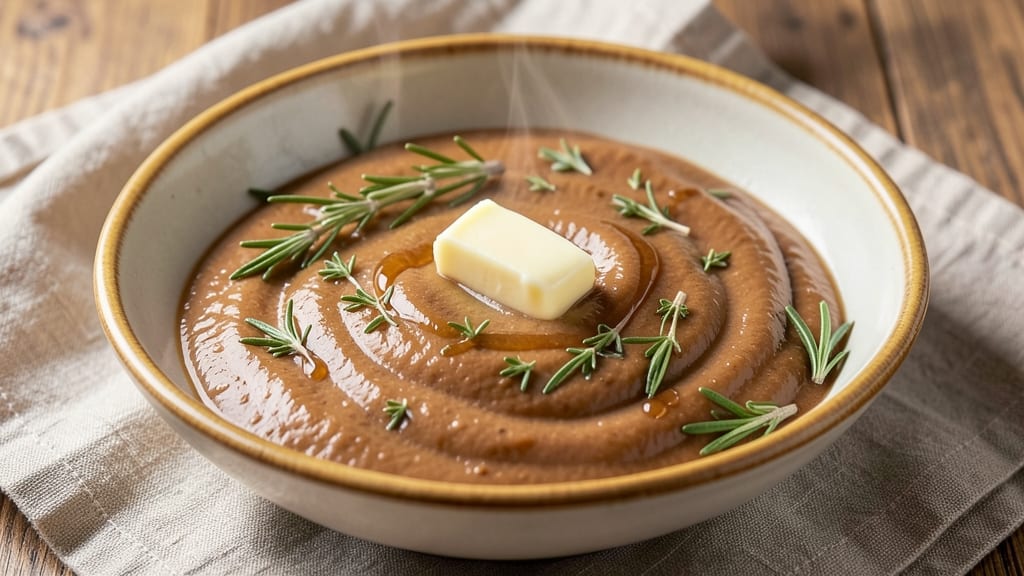
This potato sauce recipe transforms humble potatoes into a velvety, creamy masterpiece that elevates mashed potatoes, roasted meats, and even tacos. The secret lies in blending cooked potatoes with butter and warm milk until impossibly smooth, while hidden herbs like thyme and rosemary add depth without overpowering.
I developed this version after years of testing—it’s the one my students always ask for seconds of.
The beauty of this sauce is its versatility and ease. With just six simple ingredients and 20 minutes of hands-on time, you’ll create a rich, velvety sauce that’s far more flavorful than anything from a can.
The key is patience—boiling the potatoes until tender, then blending them while still warm ensures a perfectly smooth texture every time. No fancy equipment required, just a blender or food processor.
What makes this sauce truly special is how it transforms ordinary meals. Drizzle it over roasted chicken, mix it into mashed potatoes, or use it as a dip for fries—each time delivers that luxurious creaminess with a subtle herbal note.
The sauce thickens beautifully when chilled, so it’s perfect for meal prep too. Once you try this version, store-bought will never compare.
For extra richness, stir in a pat of butter at the end, or swap the milk for cream. Vegan option? Use coconut milk and olive oil instead. The possibilities are endless, but the foundation stays the same—creamy, comforting, and impossible to resist.
Ingredients for potato sauce
Six simple ingredients create this velvety potato sauce that tastes like restaurant-quality magic.
| Ingredient | Amount | Notes |
|---|---|---|
| Russet Potatoes 🥔 | 2 lbs | Peeled and cubed evenly |
| Unsalted Butter 🧈 | ½ cup | Full-fat for creaminess |
| Whole Milk 🥛 | 1 ½ cups | Warm before blending |
| Fresh Thyme Leaves 🌿 | 1 tbsp | Or 1 tsp dried thyme |
| Fresh Rosemary Sprigs 🌿 | 2 whole | Stems removed |
| Salt 🧂 | ½ tsp | Kosher or sea salt |
| Black Pepper 🌶️ | ¼ tsp | Freshly ground preferred |
| Garlic Cloves 🧄 | 2 cloves | Minced for subtle flavor |
The potatoes are the foundation—Russets are ideal because they’re starchy and break down beautifully. Organic potatoes from Trader Joe's or your local farmers market have the best flavor, but any Russet will work. Peel them first (the skins can get gummy), then cut into even cubes so they cook uniformly. If you’ve got a food processor, pulse them into rough chunks for faster blending later. The butter? Full-fat is non-negotiable here—it’s what gives that luxurious creaminess. I always grab European-style butter from Whole Foods when I can, but regular unsalted butter works perfectly fine too.
No fresh thyme? Dried works at one-third the amount, but fresh has that bright, herbal punch. The same goes for rosemary—if you’re using dried, reduce to half a teaspoon. Short on milk? Heavy cream makes it even richer, or coconut milk for a vegan version (though it’ll be slightly thinner). The garlic is subtle but important—roast it first if you want to take it to the next level (just toss whole cloves in the oven at 400°F for 15 minutes). And if you’re feeling fancy, add a splash of white wine when you’re blending—it cuts through the richness beautifully.
This sauce gets better as it sits—thickens up nicely in the fridge, so it’s perfect for meal prep. Store it in an airtight container for up to 5 days, or freeze for 3 months (it reheats like a dream). For extra smoothness, strain it through a fine-mesh sieve after blending. And if it’s too thick? Just whisk in a little warm milk. The herbs keep their flavor for a week in the fridge, so don’t worry about using them all up at once—freeze extras in ice cube trays for later.
Why You'll Love This Recipe
- No Peel, No Stress: I swear by this—just scrub those Russets, cube them raw, and toss them straight into the pot. No peeling, no fuss, and honestly? The skin adds a subtle earthiness that makes it taste like you spent all day in the kitchen.
- Butter-Milk Magic: That creamy finish from butter and whole milk isn’t just rich—it’s velvety. The thyme and rosemary? They cut through the richness with a bright, herbal punch that makes this sauce taste like it belongs on a restaurant table.
- Weeknight to Holiday: Between us, I’ve served this over roasted chicken for a Tuesday dinner and as a side for Thanksgiving. The same simple steps work every time—just adjust the herbs if you’re feeling fancy. (Sprigs of rosemary? Instant holiday vibes.)
- Leftovers That Don’t Suck: This sauce actually improves the next day—thicker, deeper, and still creamy. I make a double batch, freeze half, and reheat it with a splash of milk. Budget-friendly? Absolutely. Lazy-friendly? Even more so.
Step-by-step instructions for velvety creamy potato sauce
Here's how to transform simple potatoes into a rich, velvety sauce with layers of herby flavor.
Boil the Potatoes Until Fork-Tender
Place the 2 lbs of peeled and cubed russet potatoes in a large pot and cover with cold water by about 1 inch. Add the 0.5 tsp salt and bring to a rolling boil over high heat. Once boiling, reduce to medium-high heat and cook for 15-18 minutes until the potatoes are fork-tender.
I know it's tempting to check them early, but wait until a fork slides in easily with minimal resistance. The potatoes should be soft enough to mash slightly but still hold their shape when pressed. Drain the potatoes thoroughly in a colander, shaking gently to remove excess water—this step is crucial for preventing a watery sauce later.
Sauté Garlic and Herbs in Butter
While the potatoes are cooking, melt the 0.5 cup unsalted butter in a large skillet over medium heat. Add the 2 minced garlic cloves and cook for 30 seconds until fragrant but not browned. Remove the skillet from heat and stir in the 1 tbsp fresh thyme leaves and 2 whole fresh rosemary sprigs (stems removed). Let this herb-infused butter steep off the heat for 2 minutes to maximize flavor extraction.
Here's the thing—don't skip this steeping step. The heat will release the essential oils from the herbs, giving your sauce that subtle, sophisticated aroma. If you're using dried herbs, you can add them directly to the skillet with the garlic, but fresh herbs need this gentle treatment to avoid bitterness.
Create the Sauce Base
Return the skillet to medium heat and add the cooked potatoes, breaking them up slightly with a wooden spoon. Pour in the 1.5 cups whole milk and stir to combine. Let the mixture simmer gently for 5-7 minutes, stirring occasionally, until the milk begins to thicken and the potatoes break down into a creamy consistency.
You'll notice the sauce transform from a thin liquid to a velvety texture as the starch from the potatoes releases. This is where the magic happens—patience is key. If the sauce starts to stick, add a splash of water or milk to loosen it. The goal is a smooth, lump-free sauce that coats the back of a spoon.
Season and Refine the Texture
Remove the rosemary sprigs and thyme stems (if any remain) and discard them. Stir in the 0.25 tsp black pepper and taste the sauce. Add more salt if needed—remember, the sauce will thicken more as it cools, so don't over-salt at this stage. For extra creaminess, you can blend the sauce with an immersion blender until completely smooth, or leave it slightly rustic with small potato pieces.
Real talk: this is where you decide how rich you want your sauce. If it's too thick, whisk in a tablespoon of warm milk to reach your desired consistency. The sauce should be thick enough to coat a spoon but still flow smoothly. Let it simmer for another 2 minutes to meld all the flavors together.
Finish and Serve Warm
Transfer the sauce to a serving bowl and let it sit for 5 minutes before serving. This resting time allows the flavors to fully develop and the sauce to reach its perfect creamy consistency. The sauce should be velvety smooth with a subtle herbal aroma that's not overpowering—just enough to enhance the natural potato flavor.
Serve immediately over your favorite dishes—roasted chicken, steak, or even as a dip for crusty bread. The sauce will keep well in the refrigerator for up to 3 days, but it's best enjoyed fresh while still warm. The secret to this sauce isn't complicated—it's all about proper cooking times and letting the flavors meld together naturally.
Pro Tips For Making Potato Sauce
- Peel and Cube Evenly: Russets are stubborn—cut them into ½-inch cubes before boiling, not after. I learned this the hard way when my sauce turned lumpy because uneven chunks cooked at different rates. A sharp knife and steady hand save you from mashing later.
- Boil Until Fork-Tender: Don’t rush the potatoes—boil them until they collapse under gentle pressure from a fork. Overcooked? They’ll turn to mush. Undercooked? You’ll taste raw starch. Aim for 12–15 minutes in salted water (yes, even if you’re using unsalted butter later).
- Strain, Don’t Mash: After draining, give the potatoes a quick press in a fine-mesh strainer to remove excess water. Skipping this step means your sauce will be watery, no matter how much you reduce it later. A wooden spoon helps—just press gently, like you’re wringing out a dishcloth.
- Bloom Herbs in Butter: Heat the butter low and let the thyme and rosemary sizzle for 30 seconds before adding milk. This releases their oils, making the flavor hit harder. I was skeptical until I tried it—now I never skip it, even when I’m in a hurry.
Regional styles of these flavors
Irish Creamy Style
In Ireland, potato sauce often takes center stage as a comforting side dish for roasts and stews. The key difference is using buttermilk instead of regular milk to create a tangy twist.
I’ve made this version by replacing 1 cup of the milk with buttermilk and adding ½ tsp Dijon mustard for depth. Serve it with corned beef or shepherd’s pie for a true Irish pub vibe. 🥔
German Potato Sauce
German cuisine transforms potatoes into a hearty Kartoffelsauce, often served with sausages or schnitzel. The secret here is sour cream—mix ¼ cup sour cream into the finished sauce for a thick, tangy texture.
I also add 1 tsp caraway seeds (toasted in butter first) and a splash of apple cider vinegar for brightness. This version is rich enough to stand alone as a dip. 🌟
Southern U.S. Gravy Style
In the American South, potato sauce often blends into pan gravy for biscuits or fried chicken. After cooking the potatoes, save the starchy water to make a roux with 2 tbsp butter and 2 tbsp flour.
Deglaze with 1 cup chicken broth and stir in the potatoes for a thick, savory sauce. Add a pinch of paprika for color and a dash of hot sauce for a kick. This is my go-to for Sunday dinners. 🔥
French Potato Purée
French chefs elevate potato sauce to purée de pommes de terre, often using crème fraîche and chives for a delicate finish. Start with Yukon Gold potatoes (they’re creamier than Russets) and blend with ¼ cup crème fraîche and 1 tbsp chopped chives.
For extra luxury, fold in 1 oz melted Gruyère cheese at the end. This version is light enough for spring meals but rich enough for holidays. ✨
Mexican-Style Queso Style
For a bold twist, turn potato sauce into a queso dip by adding 1 cup shredded Monterey Jack cheese and ½ cup salsa to the finished sauce. Warm it gently until melted, then top with sour cream and cilantro.
This fusion dish is perfect for game day or taco nights. I often serve it with tortilla chips or as a topping for enchiladas. 🌶️
Italian Potato Béchamel
Italian cooks often blend potato sauce into a béchamel-like sauce for lasagna or timbales. After blending, stir in ½ cup grated Parmesan and 1 tbsp nutmeg** for warmth. This version is thick enough to layer in pasta dishes or use as a creamy risotto base.
The nutmeg adds a subtle, sophisticated note that pairs beautifully with mushrooms or spinach. 💡
Nutrition facts
Frequently asked questions
Can I make this potato sauce without a blender?
Mash the cooked potatoes thoroughly with a potato masher or fork until completely smooth. For extra creaminess, press the mashed potatoes through a fine-mesh sieve to remove any lumps. The sauce will be slightly rustic but still delicious.
How do I make this sauce vegan?
Swap the butter for olive oil or vegan butter and use unsweetened coconut milk instead of dairy milk. Add 1 tbsp nutritional yeast for a cheesy flavor. The texture will be slightly lighter but still creamy.
Why did my potato sauce turn out watery?
This usually happens if you didn't drain the potatoes well after boiling or added too much milk. Next time, shake the drained potatoes in a colander for 10 seconds to remove excess water. For a thicker sauce, simmer uncovered for 5 extra minutes to evaporate moisture.
Can I add cheese to this potato sauce?
Yes! Stir in ½ cup shredded cheddar or Gruyère at the end and warm gently until melted. For a Mexican-inspired twist, add Monterey Jack and salsa to make a queso-style dip. Just keep an eye on it to prevent burning.
How long can I store this sauce?
Store in an airtight container in the fridge for up to 5 days. For longer storage, freeze for 3 months. Reheat gently on the stove, stirring often, until warmed through. The texture may thicken further when chilled—just whisk in a splash of warm milk if needed.