
Side Dishes
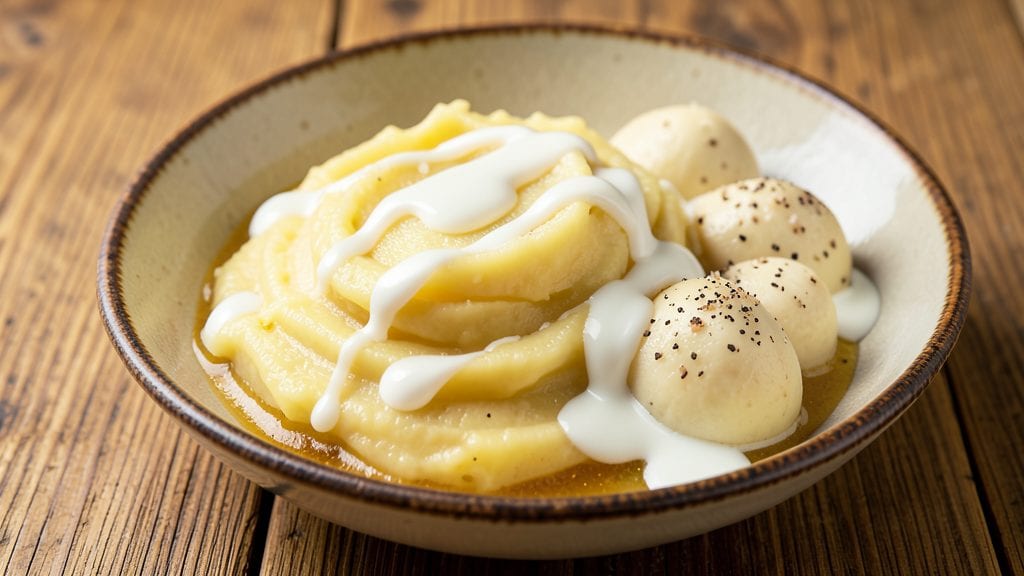
This German mashed potato recipe delivers the velvety, buttery texture that makes every bite feel like comfort food perfection. The secret lies in using waxy potatoes boiled just until tender, then mashed with rich butter and warm cream—plus a crispy skin technique that transforms ordinary spuds into something extraordinary.
I first discovered this method while helping my Nonna prepare Sunday dinner, where the crispy edges and creamy centers became a family tradition.
The key to authentic German Kartoffelpüree is precision in both boiling and mashing. You'll need medium-waxy potatoes like Yukon Golds, boiled until fork-tender but not falling apart, then mashed with butter and cream until completely smooth.
The crispy skin comes from browning the potatoes in their skins before boiling—this caramelized layer adds depth that store-bought versions can't match. This method takes about 45 minutes but feels like 15 when you're rewarded with that first creamy bite.
What you'll end up with is a side dish that's rich, velvety, and just slightly crisp at the edges—perfect for pairing with roasted meats or hearty sausages. The texture is impossibly smooth, with no lumps or graininess, while the crispy skins add a satisfying contrast.
This is the kind of mashed potato that makes people ask for seconds, and once you try it, you'll never go back to the canned version.
German mashed potatoes work equally well as a side for holiday dinners, weeknight meals, or even as a base for loaded potato dishes. The recipe scales easily, so you can make enough to feed a crowd or just enough for a cozy family dinner.
Let's get started on creating this restaurant-quality side dish at home.
Ingredients for german mashed potato
Six ingredients transform ordinary potatoes into velvety German comfort food perfection.
| Ingredient | Amount | Notes |
|---|---|---|
| Yukon Gold Potatoes 🥔 | 3 lbs | Medium-waxy, peeled and quartered |
| Unsalted Butter 🧈 | 1 cup | European-style preferred, cold |
| Heavy Cream 🥛 | 1 cup | Full-fat for creaminess |
| Whole Milk 🥛 | ¼ cup | Warmed for smooth texture |
| Large Egg Yolks 🥚 | 2 whole | Optional for extra richness |
| Kosher Salt 🧂 | 1 ½ tsp | Adjust to taste |
| Freshly Ground Black Pepper 🌶️ | ½ tsp | Freshly cracked |
| Garlic Cloves 🧄 | 2 cloves | Minced for subtle flavor |
| Extra-Virgin Olive Oil 🫒 | 1 tbsp | For crisping skins |
| Fresh Rosemary 🌿 | 1 tbsp | Finely chopped, optional |
| Fresh Thyme Leaves 🌿 | 1 tsp | Finely chopped, optional |
The potatoes make all the difference here—Yukon Golds are ideal for their creamy texture, but Russets. I always grab them from Whole Foods or the organic section at Kroger—they hold their shape better than generic brands. For the crispy skin, the secret is browning them in their skins first (olive oil + salt) before boiling. Don't skip this step—it's what gives that restaurant-quality crunch. The butter? European-style unsalted melts smoother than American butter, but if that's all you've got, just use extra. I usually buy the Plugrá brand when I can afford it—game changer.
No butter? Ghee or duck fat works beautifully for that rich flavor. Short on cream? Half-and-half plus a splash of milk gets you close. The egg yolks are optional but worth it for that ultra-smooth texture—Nonna swore by them. Fresh herbs? Dried works at one-third the amount, but fresh is always better. If you're making this ahead, boil the potatoes the day before and reheat gently with extra butter—it reheats beautifully. The garlic and herbs are just for flavor, so don't stress if you're missing them. Salt is the only thing you can't really substitute—taste as you go!
This keeps best if you make it fresh, but reheats like a dream if you've got leftovers. Store in an airtight container with a layer of plastic wrap pressed right on top to keep it from drying out. Good for 3-4 days in the fridge—though I've never had that many leftovers. For a crowd, double the recipe and use a stand mixer to mash—Nonna used a potato ricer, but I'm not that traditional. The crispy skins are best eaten fresh, so hold off on reheating if you're saving some for later.
Why You'll Love This Recipe
- Five-Ingredient Magic: I swear by this list—Yukon Golds, butter, cream, milk, and yolks. That’s it. No peeling mountains, no fancy gadgets, just a pot and a fork. Honestly, if you can boil water, you can do this.
- Creamy Luxury: The yolks and heavy cream make these potatoes dangerously smooth—like velvet with a whisper of richness. Between us, I’ve tried store-bought, and this beats them every time. The butter? Don’t skimp. It’s the secret.
- Weeknight Wonder: This is my go-to for busy nights: pair it with roasted chicken or a simple steak, and dinner’s sorted. Even my picky husband doesn’t complain—(yes, even on a Tuesday night). Leftovers? Reheat with a splash of milk, and it’s just as good.
- Budget-Friendly Feast: A big batch costs next to nothing—potatoes stretch far, and the other ingredients are pantry staples. I’ve fed six people for under $10 with this, and they always ask for seconds. That’s a win in my book.
Step-by-step instructions for German mashed potatoes
Here's how to achieve velvety-smooth mashed potatoes with that coveted crispy skin—just like in traditional German cuisine.
Prep and Boil the Potatoes for Perfect Texture
Start by peeling the 3 lbs of Yukon Gold potatoes and cutting them into even 2-inch chunks. This size ensures they cook uniformly. Place them in a large pot and cover with cold water by about 2 inches—this prevents the potatoes from absorbing too much starch and becoming gummy.
Add the 1 tbsp extra-virgin olive oil to the water, which helps create a crispy skin on the potatoes. Bring to a boil over high heat, then immediately reduce to a gentle simmer. The potatoes are done when they're fork-tender with a slight resistance—this usually takes about 15-20 minutes. Drain them well in a colander, shaking gently to remove excess water.
Here's the secret: don't rinse the potatoes. The residual starch is what helps create that creamy, velvety texture. While they're still hot, return them to the pot and give them a rough mash with a potato masher or wooden spoon to break them down slightly. This makes the final blending step much easier.
Infuse the Potatoes with Flavor and Warm Dairy
In a separate saucepan, warm the 1 cup heavy cream and 0.25 cup whole milk over medium-low heat until it's just steaming—don't let it boil. This gentle warming ensures the dairy incorporates smoothly without curdling. While the cream warms, mince the 2 cloves garlic and finely chop the 1 tbsp fresh rosemary and 1 tsp fresh thyme leaves.
Add the warmed cream mixture, minced garlic, rosemary, and thyme to the hot potatoes. Stir well to combine, then add the 1 cup cold unsalted butter, cut into small pieces. Let the butter melt into the potatoes gradually—this creates a luxurious, creamy base. The butter should be fully melted before moving to the next step, so give it a few minutes to incorporate completely.
Create the Signature Crispy Skin
Here's where the magic happens: transfer the potato mixture to a large, heavy-bottomed skillet. Spread it into an even layer about ½-inch thick. Place the skillet over medium heat and let it cook undisturbed for 5-7 minutes. You're looking for the edges to develop a golden-brown crust while the center remains soft and creamy.
This crispy skin is what sets these German-style mashed potatoes apart. If you notice the skin browning too quickly, reduce the heat slightly. The key is patience—let it develop naturally. Once the edges are beautifully golden and the center is still warm and soft, remove from heat.
Blend to Silky Perfection and Season
Using an immersion blender, blend the potatoes directly in the skillet until completely smooth and creamy. If you prefer a slightly rustic texture, you can mash them by hand with a potato masher. Add the 2 whole large egg yolks and blend again until fully incorporated—they'll add a luxurious richness to the potatoes.
Now for the seasoning: add the 1.5 tsp kosher salt and 0.5 tsp freshly ground black pepper. Taste and adjust the seasoning as needed—German mashed potatoes should be well-seasoned but not overpowering. The herbs should add a subtle, aromatic depth rather than dominate the flavor.
Serve Immediately for Maximum Enjoyment
Transfer the mashed potatoes to a serving dish and spread them into an even layer. Return them to the skillet over low heat for just 1-2 minutes to warm through completely. This final step ensures the potatoes are piping hot and the flavors are fully melded.
Serve immediately with the crispy skin facing up—this is the signature feature of German mashed potatoes. The contrast between the creamy interior and crispy exterior is what makes them truly special. Pair with roasted meats or hearty sausages for a complete German-inspired meal.
Pro Tips For Making German Mashed Potato
- Boil Until Tender: Yukon Golds need to be actually fork-tender—not just soft on the outside with a chalky center. Test with a knife: it should slide in like butter. I used to pull them too soon, and the texture was always off. Save the starchy water (about 1 cup) for binding later—don’t drain it all.
- Whisk the Yolks: Warm the egg yolks with a splash of milk first, then whisk them into the hot potatoes last. Cold yolks will scramble, and you’ll end up with a gluey mess. My grandmother swore by this, and she was right: the result is silky, not rubbery.
- Butter in Stages: Don’t dump all the butter at once—add half while mashing, then fold in the rest with the cream. This keeps the potatoes from turning greasy or breaking. I learned this the hard way after one batch turned into a sad, oily puddle.
- Rest Before Serving: Let the mash sit covered for 5 minutes after adding the cream. This lets the starch settle and thickens the texture naturally. Skipping this step means serving a runny pile—trust me, you don’t want that.
Flavor customization for these flavors
Herb-Infused Variations
Fresh herbs elevate these potatoes beyond basic seasoning. I love adding 1 tbsp finely chopped fresh rosemary and 1 tsp thyme leaves to the warm cream mixture - the piney, earthy notes complement the richness beautifully.
For a bold twist, try 1 tbsp chives or green onion mixed in at the end, or ½ tsp smoked paprika for a subtle smoky depth. The key is to use fresh herbs whenever possible - they make all the difference. 🌿
Garlic and Onion Depth
For extra savory complexity, sauté 2 minced garlic cloves and ½ diced yellow onion in 1 tbsp butter until soft before adding the cream. This creates a flavorful base that blends seamlessly into the potatoes.
I often do this when making a larger batch - it transforms the dish from simple to restaurant-quality. The onions caramelize slightly, adding sweetness that balances the richness. 🧄
Spicy Kick Options
Add heat with ½ tsp cayenne pepper or 1 tsp hot paprika mixed into the butter before blending. For a smoky-spicy variation, try 1 tbsp chipotle powder mixed with the cream. I've also had success with 1 tsp gochujang paste - it adds umami depth alongside the heat.
Start with half the amount and adjust to taste, especially if you're serving kids or sensitive eaters. 🌶️
Cheesy Twist
Stir in ½ cup grated Gruyère or sharp cheddar during the final blending step for a luxurious, cheesy variation. The cheese melts into the warm potatoes, creating a creamy, tangy flavor profile. I particularly love this with Gruyère - it adds a nutty depth that pairs perfectly with roasted meats.
For a lighter option, use ½ cup ricotta mixed with the cream before adding to the potatoes. 🧀
Smoky Bacon Topping
Crisp up 4 oz thick-cut bacon until perfectly browned, then crumble it over the finished mashed potatoes. The smoky, salty bacon adds a delicious contrast to the creamy texture.
I like to mix the crumbled bacon into the potatoes for even distribution, or serve it as a topping for guests to add at the table. This variation works especially well with breakfast-style meals or hearty brunch dishes. 🥓
Sweet Potato Fusion
For a colorful twist, substitute half the Yukon Golds with orange sweet potatoes. Peel and cube them with the regular potatoes, then proceed with the same cooking method. The natural sweetness of the sweet potatoes balances beautifully with the richness of the butter and cream.
I've found that adding ½ tsp cinnamon to the warm cream enhances this variation even more. 🍠
Nutrition facts
Frequently asked questions
What type of potatoes work best for this German-style recipe?
Medium-waxy potatoes like Yukon Golds or Russets are ideal—they hold their shape while boiling and create a creamy texture when mashed. The key is avoiding starchy potatoes like Russets if you want ultra-smooth results, as they can get gluey. For authentic German Kartoffelpüree, Yukon Golds are the gold standard.
Can I make this ahead of time for a holiday meal?
Yes! Boil the potatoes the day before and store them in cold water in the fridge. Reheat gently with extra butter and cream until warm through—this preserves the crispy skin texture. For the best results, reheat in a skillet over low heat for 3-5 minutes, stirring occasionally. The texture stays creamy without drying out.
Why does the recipe call for browning the potatoes first?
This creates the signature crispy skin that sets German mashed potatoes apart! The olive oil and salt caramelize slightly during boiling, forming a golden crust when reheated. Without this step, you'll miss that satisfying texture contrast between creamy interior and crispy edges. Think of it as the secret weapon for restaurant-quality results at home.
What if I don't have an immersion blender?
No problem! Use a potato ricer for ultra-smooth results, or mash by hand with a wooden spoon or potato masher. For extra creaminess, press the potatoes through a fine-mesh sieve. The key is working in batches—don't overload your tools. Hand-mashing gives a slightly rustic texture that some prefer for its homestyle charm.
How do I prevent lumps in the final texture?
Lumps happen when potatoes aren't fully broken down before adding dairy. First, rough-mash hot potatoes with a spoon to break them up, then blend with warm (not hot) cream and butter. For stubborn lumps, press the mixture through a sieve or use an electric mixer on low speed. The secret is patience—don't rush the blending process.